
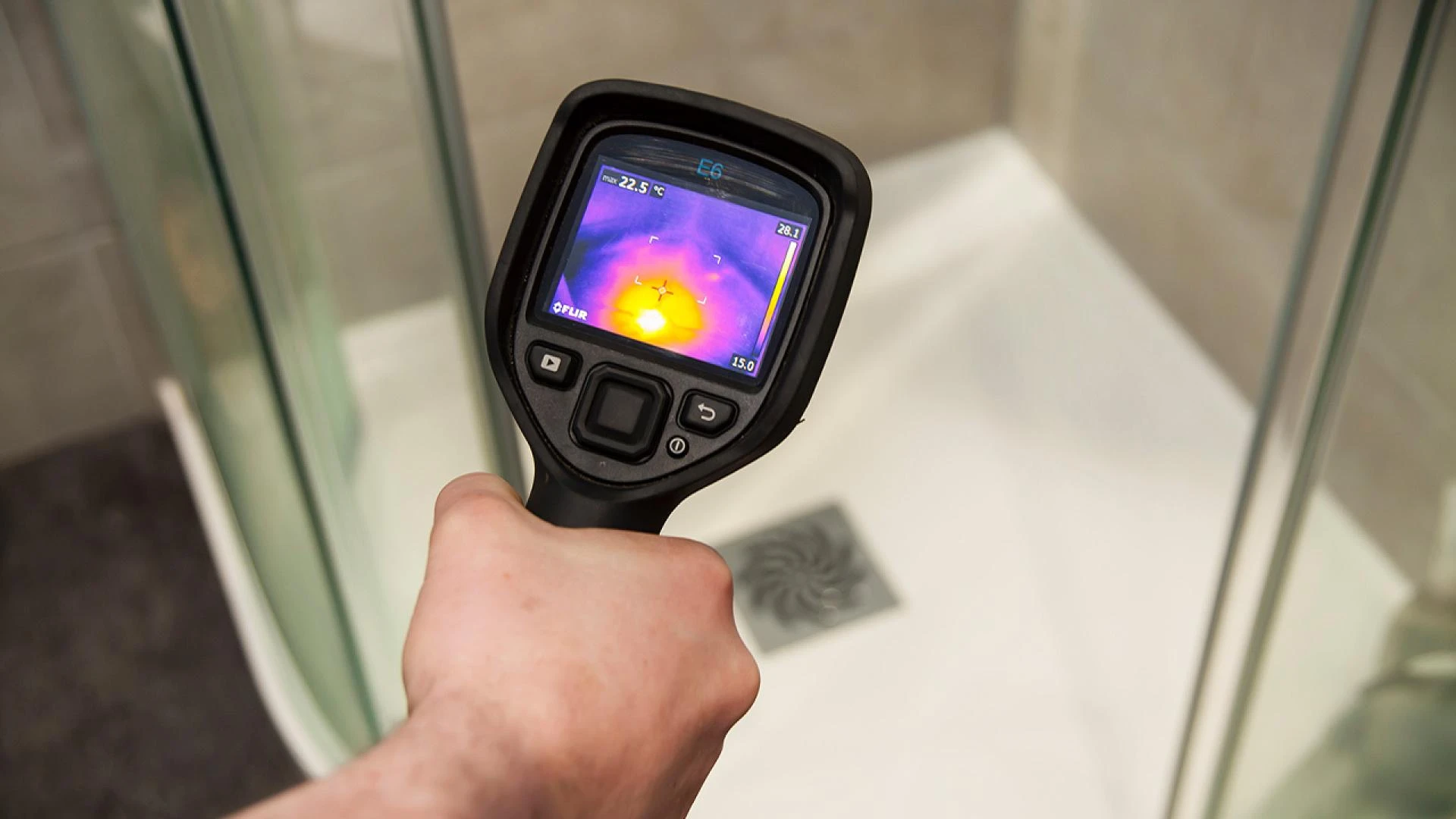
Detecting leaks early can prevent serious structural damage and costly repairs. One common issue is spouwmuur lekkage, where moisture seeps into the cavity wall, leading to damp spots, mold growth, and potential weakening of the structure. This type of leakage is often caused by cracks, poor insulation, or damaged seals, allowing water to infiltrate. Over time, this can lead to significant damage if not addressed promptly. Identifying the source quickly is essential to prevent further deterioration of the wall and indoor air quality. Professionals use advanced techniques such as thermal imaging and moisture meters to detect these leaks without the need for invasive methods.
When dealing with lekkage in muur opsporen, it is important to recognize early signs such as water stains, peeling paint, or a musty smell. Hidden leaks behind walls can be difficult to detect without the right tools. Professionals use specialized equipment like endoscopic cameras, infrared thermography, and electronic moisture detection to locate the leak precisely. Early detection not only prevents further damage but also minimizes repair costs and reduces the risk of mold formation, which can affect indoor air quality and pose health risks. In some cases, the leak may be due to plumbing issues, external water infiltration, or condensation buildup, all of which require different approaches for effective repair.
A plafond lekkage is another serious problem that can result from various factors, including a damaged roof, burst pipes, or faulty plumbing. Water spots on the ceiling, sagging plaster, or discoloration often indicate moisture accumulation from above. If left untreated, a ceiling leak can cause structural weakness, promote mold growth, and even lead to ceiling collapse in extreme cases. Roof leaks, in particular, are challenging to detect because water may travel along beams before appearing in a different location. Detecting the source requires professional inspection using moisture meters and infrared scans to ensure accurate repair. Preventative maintenance, such as checking roof tiles, sealing cracks, and maintaining gutters, can help avoid ceiling leaks in the future.
Using advanced techniques, experts specialize in lekkages opsporen efficiently and accurately. Leak detection methods such as acoustic sensors, pressure testing, and smoke tests help locate leaks in walls, ceilings, and underground pipes without unnecessary demolition. Addressing leaks early not only prevents costly repairs but also protects the integrity of a building, improves indoor living conditions, and ensures a healthier environment. Regular inspections, proper maintenance, and timely repairs are key to preventing water damage and preserving the longevity of a property.