Skin conditions can be frustrating and uncomfortable, but understanding what you're dealing with is the first step toward relief. Two of the most commonly confused skin disorders are eczema and psoriasis. While they share some similarities in appearance and can both cause significant discomfort, these conditions have distinct characteristics, triggers, and treatment approaches. Knowing the differences can help you seek appropriate care and manage your symptoms more effectively.
Understanding the Basics: Two Different Conditions
Eczema and psoriasis are often mistaken for one another because they can both cause red, itchy patches on the skin. However, they are fundamentally different conditions with different underlying causes. Eczema is typically triggered by environmental factors and is closely associated with allergies and sensitivity.
Psoriasis, on the other hand, is an autoimmune disorder where your body's immune system mistakenly attacks healthy skin cells, causing rapid cell turnover and visible skin symptoms. The confusion between these two conditions is so common that many people spend months treating the wrong condition.
This is why consulting with a dermatologist who can properly identify your specific skin issue is essential. If you're uncertain about which condition you have, you can learn more about distinguishing between them by visiting psoriasis vs eczema for detailed insights.
Key Visual Differences That Matter
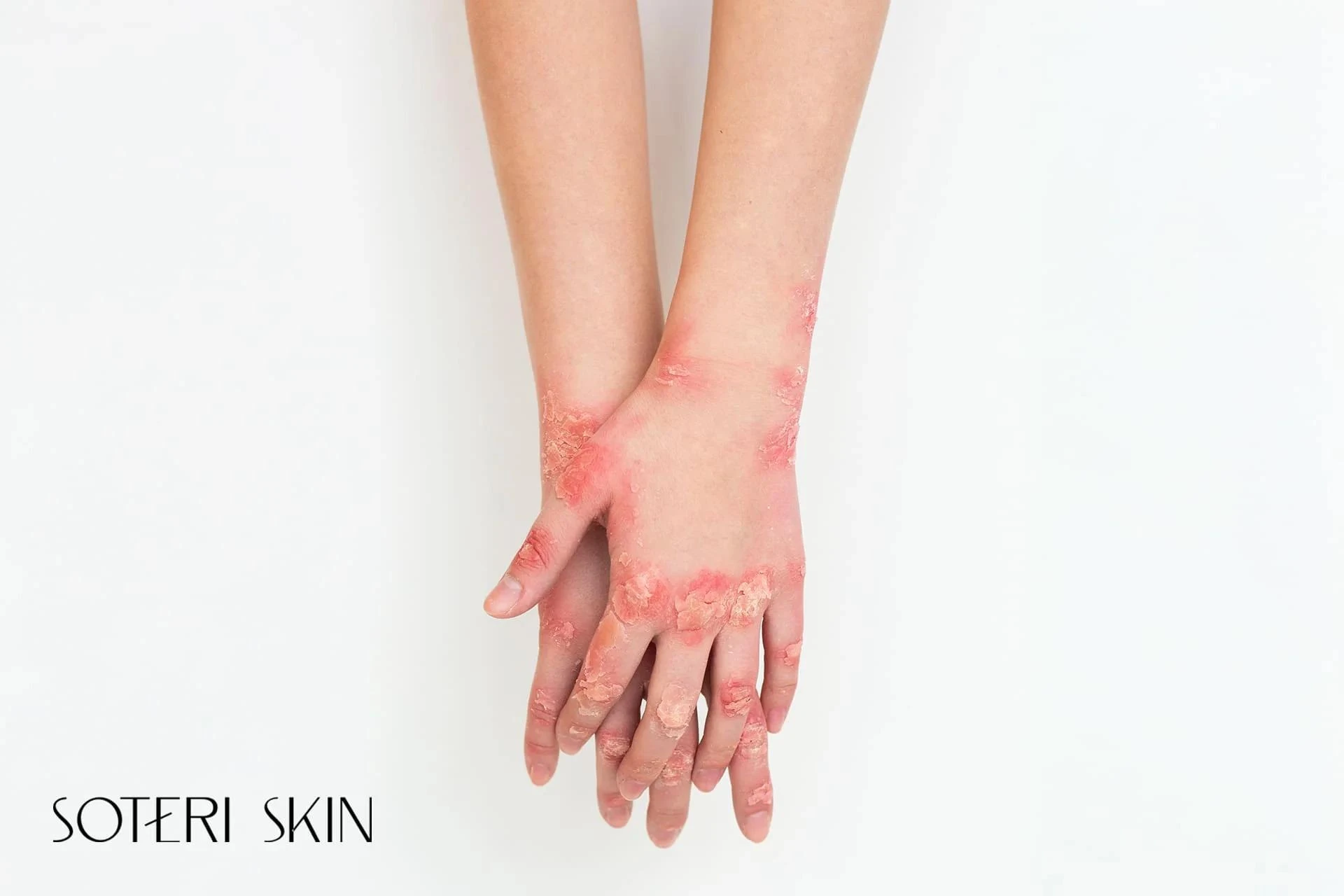
When examining your skin, several visual clues can help you determine which condition you're facing. Eczema typically appears as dry, sensitive areas with intense itching that often leads to scratching and potential infection. The affected areas might look inflamed but often have less distinct borders compared to psoriasis.
Psoriasis presents differently. It usually appears as thick, silvery patches with well-defined edges. These plaques often have a characteristic silvery-white coating on top, which is quite distinctive. Psoriasis patches tend to be more uniform in appearance and are often found on specific areas like elbows, knees, and the scalp.
Understanding these visual markers is crucial because they inform treatment decisions. The appearance alone can sometimes suggest one condition over another, though professional diagnosis remains the gold standard. For a comprehensive comparison of these visual differences, psoriasis vs eczema provides excellent visual guides and detailed descriptions.
The Role of Itching and Discomfort
Both conditions cause itching, but the nature and intensity can differ significantly. With eczema, itching is often severe and can disrupt sleep and daily activities. The itching frequently precedes the appearance of a rash, and scratching can worsen the condition, leading to potential skin infections.
This creates a frustrating cycle where the more you scratch, the worse the condition becomes. Psoriasis also causes itching, but the sensation is often different. Some people with psoriasis experience burning sensations or tenderness rather than pure itching. Additionally, the itch from psoriasis doesn't always precede the rash. The plaques might appear first, with itching developing afterward.
These differences in how discomfort manifests can provide valuable diagnostic clues. When you're experiencing persistent skin symptoms, tracking not just what you see but how it feels can help your healthcare provider make an accurate diagnosis. This information becomes particularly valuable when you're researching psoriasis vs eczema symptoms and comparing your experience.
Location and Distribution Patterns
Where these conditions appear on your body offers another important clue. Eczema commonly develops in areas prone to sweating or friction, such as the neck, hands, feet, and inside the elbows and knees. It can also appear on the face and can develop anywhere on the body, depending on triggers and individual sensitivity.
Psoriasis shows a preference for specific areas. Elbows, knees, scalp, and lower back are common sites for psoriatic plaques. This predictable distribution pattern can help distinguish it from eczema, which is less consistent in its location preferences. Some people with psoriasis might have only one or two affected areas, while others experience widespread plaques across their body. Age of onset also differs between these conditions.
Eczema often begins in childhood, though it can develop at any age. Psoriasis typically appears in adulthood, though it can also emerge during childhood. These patterns, combined with location information, help paint a clearer picture of which condition you're experiencing.
Trigger Factors: What Causes Flare-Ups
Identifying what triggers your symptoms is essential for both management and diagnosis. Eczema flare-ups are often caused by external factors like harsh soaps, detergents, extreme temperatures, low humidity, stress, and allergens.
Understanding and avoiding your personal triggers can significantly reduce symptom severity. Psoriasis triggers can include stress, infections, certain medications, alcohol consumption, and smoking. While environmental factors play a role, psoriasis is more directly linked to your immune system's behavior.
This fundamental difference in causation affects how you approach management and prevention strategies. When exploring potential triggers, resources like psoriasis vs eczema can help you understand which factors are most likely affecting your specific condition. Keeping a symptom diary to track what precedes your flare-ups can provide valuable information for your healthcare provider.
Effective Management Strategies
Managing eczema focuses on maintaining skin barrier function and avoiding triggers. Moisturizing regularly with appropriate creams or ointments, using gentle cleansers, and keeping skin hydrated are fundamental. Many people with eczema find relief through careful product selection and environmental control.
Psoriasis management often requires a different approach. Treatment might include topical corticosteroids, vitamin D analogues, or systemic medications, depending on severity. Light therapy and lifestyle modifications also play important roles. Some people benefit from biologics when other treatments prove insufficient.
Both conditions benefit from stress management, adequate sleep, and maintaining healthy lifestyle habits. However, the specific treatment protocols differ significantly, making an accurate diagnosis essential. Learning more about condition-specific management through psoriasis vs eczema can help you understand what approaches might work best for your situation.
When to Seek Professional Help
If you're experiencing persistent skin symptoms that don't improve with basic moisturizing or over-the-counter treatments, scheduling an appointment with a dermatologist is important. A professional can examine your skin, consider your medical history, and perform tests if necessary to provide an accurate diagnosis.
Don't let uncertainty prevent you from seeking help. The difference between eczema and psoriasis management is significant enough that getting the right diagnosis can dramatically improve your quality of life. Professional guidance ensures you're using appropriate treatments and avoiding strategies that might worsen your condition.
Conclusion: Taking Control of Your Skin Health
Whether you're dealing with eczema or psoriasis, understanding your condition is the foundation for effective management. By recognizing the key differences in appearance, triggers, location, and how symptoms feel, you can work more effectively with your healthcare provider.
Both conditions are manageable when properly diagnosed and treated, allowing you to enjoy healthier, more comfortable skin. Take the first step by understanding what you're facing, then explore treatment options with qualified professionals who can guide your journey toward relief.