
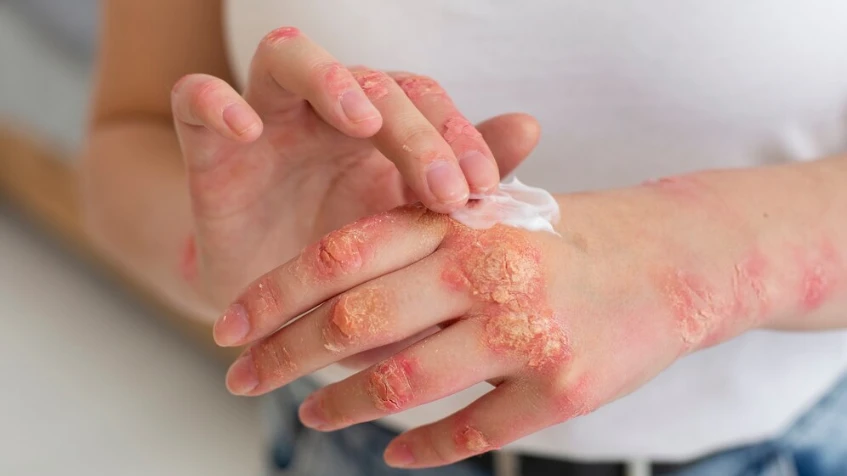
Eczema refers to the skin inflammation condition popularly known as atopic dermatitis. This itchy inflammatory condition impacts people of all ages, but is quite common among children. Having knowledge about the symptoms, causes, and treatment options is key for proper control and treatment.
Symptoms of Eczema
The appearance of eczema is varied amongst different people, however, some of the prominent symptoms appear as:
Itching - Can be extremely bad and persistent leading to further damage to the skin.
Dryness - Skin tends to become leathery and flaky.
Redness - While the sensitive or inflamed skin appears red for lighter skinned people, you will notice a darker purple or brownish gray tone on one with darker skin.
Rashes - Normally occurs in the middle section of the body, including the face, elbows, back of knee region, as well as hands and feet.
Oozing and crusting - Selected sensitive spots can ooze, but crust over, limiting further movement.
Thickened skin - will turn leathery and pale/ brown through scratching.
Symptoms and their severity differ from person to person, but usually oscillates between the condition worsening then improving (flare-ups and the disease tends to go into a state of remission).
Eczema remains one of the less understood dermatological conditions. However, it is thought to arise from a mix of genetic and surrounding component.
A few of some additional causes or risk factors include
- People with a family history of eczema, internal medicine montebello Ca, asthma or hay fever stand at a better chance of having eczema.
- Immune system overreacts could lead to inflammation of the skin.
- Mutations that leads to moisture loss from the skin, along with allergens, could also stand as defects of skin barrier.
- Lengthy exposure to dust, pollen and pet dander or soaps and detergents exacerbate the symptoms of eczema. Extreme cold or dry environment can also aggravate the symptoms.
- It is known that while eczema involves the immune system, it is not considered an autoimmune disease.
Diagnosis involves conducting a physical examination and checking in on one’s medical history. Some patients may require allergy tests or skin biopsies while some may not.
Treatment Options
While there is no cure for eczema, various treatments aim to manage and alleviate symptoms:
Moisturizers (Emollients): Regular application helps maintain skin hydration and integrity.
Topical Corticosteroids: Reduce inflammation and itching; potency varies based on severity.
Topical Calcineurin Inhibitors: Non-steroidal options like tacrolimus and pimecrolimus modulate immune responses.
Antibiotics: Prescribed if bacterial infections develop in affected areas.
Antihistamines: Oral medications to alleviate severe itching and improve sleep.
Phototherapy: Controlled exposure to ultraviolet light can reduce inflammation.
Systemic Treatments: For severe cases, oral or injectable medications that suppress the immune system may be considered.
Treatment plans should be individualized, considering factors like age, severity, and response to previous therapies.
Management and Prevention
Beyond medical treatments, lifestyle modifications can play a crucial role in managing eczema:
Identify and Avoid Triggers: Keeping a diary to track flare-ups can help pinpoint specific triggers.
Skincare Routine: Use gentle, fragrance-free products and avoid hot showers.
Clothing Choices: Opt for soft, breathable fabrics like cotton; avoid wool or synthetic materials that can irritate the skin.
Stress Management: Incorporate relaxation techniques such as meditation or yoga to reduce stress-induced flare-ups.
Impact on Quality of Life
Eczema can significantly affect daily activities, sleep, and mental health. Individuals may experience anxiety, depression, or social withdrawal due to visible symptoms. Seeking support from healthcare professionals, support groups, or counselors can be beneficial.
Conclusion
Eczema is a complex condition with multifaceted causes and manifestations. While it poses challenges, understanding its nature and implementing comprehensive management strategies can lead to effective control and an improved quality of life.