Creating a home that is both stylish and sustainable is no longer just a trend—it’s a smart, responsible way to live. With rising energy costs and growing environmental concerns, homeowners are increasingly turning toward eco-conscious designs that reduce their carbon footprint while enhancing comfort and efficiency. If you're planning to build or renovate, incorporating eco-friendly house design ideas can make a significant difference in both your lifestyle and long-term savings.
Why Choose Sustainable Home Design?
Sustainable homes are designed to use fewer natural resources, generate less waste, and provide healthier living environments. From reducing energy consumption to improving indoor air quality, eco-friendly homes offer practical benefits alongside environmental responsibility. They are also future-ready, as green building standards continue to evolve and influence property value.
Smart Orientation and Passive Design
The foundation of any energy-efficient home begins with smart planning. Positioning your house to take advantage of natural sunlight and airflow can significantly reduce the need for artificial lighting and cooling.
- Maximize natural light by placing windows on the north or south sides (depending on your region).
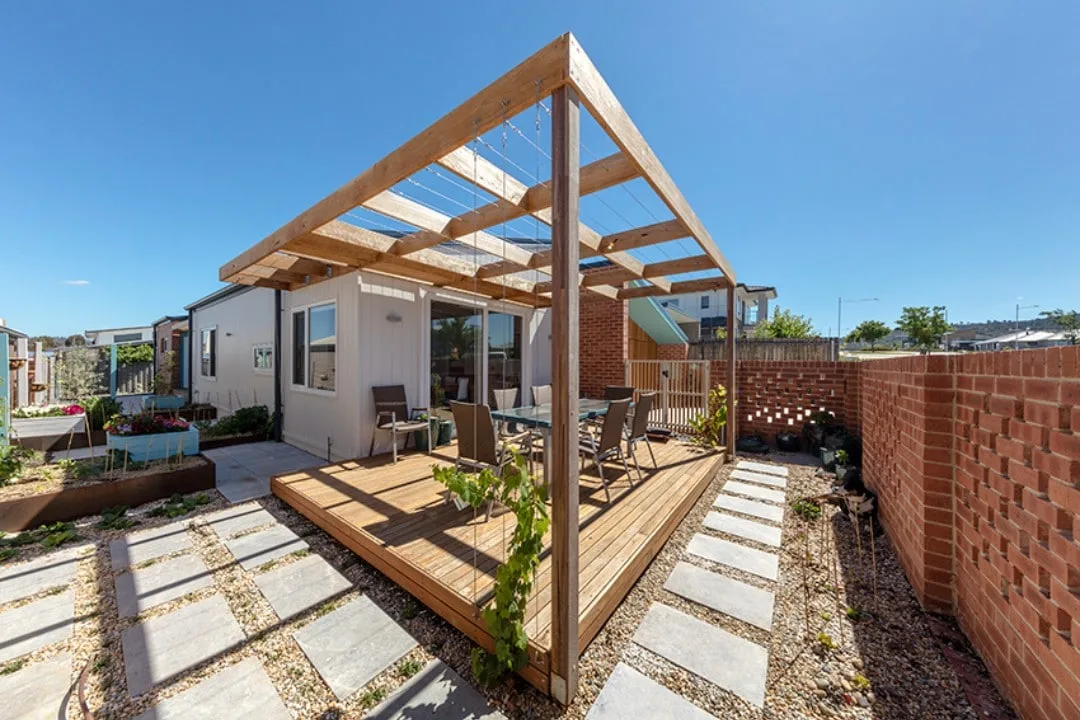
- Use shading techniques such as overhangs or pergolas to block excessive heat during summer.
- Encourage cross-ventilation to naturally cool your interiors.
Passive design reduces reliance on mechanical systems and helps maintain a comfortable indoor temperature year-round.
Energy-Efficient Building Materials
Choosing the right materials plays a major role in sustainable construction. Opt for materials that are durable, recyclable, and locally sourced to reduce environmental impact.
- Bamboo flooring and reclaimed wood are excellent renewable options.
- Insulated concrete forms (ICFs) and double-glazed windows improve insulation.
- Low-VOC paints and finishes enhance indoor air quality.
These materials not only lower your environmental footprint but also contribute to a healthier living space.
Renewable Energy Integration
One of the most effective ways to make your home energy-efficient is by integrating renewable energy systems.
- Solar panels can significantly reduce electricity bills and dependence on fossil fuels.
- Solar water heaters provide an energy-efficient alternative for daily use.
- Battery storage systems help store excess energy for later use.
While the initial investment may seem high, the long-term savings and environmental benefits make it worthwhile.
Water Conservation Solutions
Water efficiency is another key element of sustainable living. By adopting smart water management systems, you can reduce wastage and conserve this valuable resource.
- Install rainwater harvesting systems to collect and reuse water.
- Use low-flow fixtures for taps, showers, and toilets.
- Consider greywater recycling systems for landscaping and non-potable uses.
These simple steps can significantly lower your water consumption and utility bills.
Smart Home Technology for Efficiency
Modern technology makes it easier than ever to manage energy use effectively. Smart home systems can automate and optimize your home's performance.
- Smart thermostats adjust temperatures based on your habits.
- Energy-efficient lighting systems reduce electricity usage.
- Automated appliances ensure minimal wastage.
By integrating these technologies, you gain better control over your home's energy consumption while enhancing convenience.
Green Landscaping and Outdoor Design
Sustainability doesn’t stop at the front door. Your outdoor space can also contribute to an eco-friendly lifestyle.
- Use native plants that require less water and maintenance.
- Create green roofs or vertical gardens for improved insulation.
- Design permeable pathways to allow natural water absorption.
A well-planned landscape not only looks beautiful but also supports local ecosystems and reduces environmental impact.
Waste Reduction During Construction
Sustainable construction practices focus on minimizing waste and maximizing resource efficiency.
- Reuse and recycle construction materials wherever possible.
- Plan accurately to avoid excess material usage.
- Work with professionals who prioritize eco-conscious building methods.
Companies like 360 Building Solutions understand the importance of responsible construction and often incorporate efficient practices that align with modern sustainability goals.
Indoor Air Quality and Natural Living Spaces
A truly sustainable home prioritizes the health of its occupants. Good indoor air quality and natural elements create a more comfortable and refreshing environment.
- Use natural ventilation systems to circulate fresh air.
- Incorporate indoor plants to purify the air.
- Avoid synthetic materials that release harmful chemicals.
Designing spaces that connect with nature can improve well-being and overall quality of life.
Final Thoughts
Building a sustainable home is about making thoughtful choices at every stage—from design and materials to energy and water use. By combining smart planning with innovative solutions, you can create a living space that is efficient, comfortable, and environmentally responsible. Whether you are starting from scratch or upgrading an existing property, embracing these ideas will help you move toward a greener future. Working with experienced professionals can further simplify the process and ensure your vision is executed effectively. Ultimately, investing in an Eco Friendly House is not just about reducing environmental impact—it’s about creating a healthier, smarter way of living for generations to come.