Packaging is no longer just a way to wrap and deliver products. It has evolved into a powerful business tool that influences customer experience, brand recognition, and even sustainability efforts. For small businesses, retailers, and marketers, packaging decisions can directly impact sales and customer loyalty. Whether you are choosing packaging bags, exploring non woven options, or looking for zipper bag manufacturers, understanding packaging helps you make smarter, more profitable choices.
This guide explains packaging in detail, from its role in protecting products to its influence on marketing. You will learn about different packaging types, materials, and industry trends so you can make informed decisions for your business.
What is Packaging?
Packaging is the process of designing and producing containers, wrappers, and bags to hold and protect goods. It goes beyond simple wrapping. Effective packaging also provides information, improves transport safety, and strengthens a company’s identity.
Types of Packaging
- Primary Packaging
This is the first layer that comes in direct contact with the product. Examples include bottles, jars, or small zipper bags.
- Secondary Packaging
The outer layer that groups products together. Boxes or branded packaging bags often serve this purpose.
- Tertiary Packaging
Used for bulk transport and storage, such as pallets and large cartons.
Each type serves a distinct purpose. Together, they ensure the product remains safe, marketable, and easy to handle.
Why Packaging Matters for Businesses
The right packaging can be a silent salesperson for your brand. It does more than protect your products.
- First Impressions and Branding
- Customers judge your brand the moment they see your packaging. A well-designed non woven bag with your logo can create instant recognition.
- Product Protection
- Damaged goods lead to customer complaints and returns. Durable packaging, such as strong zip bags packaging, prevents these issues.
- Cost Efficiency
- Choosing the right materials and manufacturers saves money in the long term.
- Environmental Responsibility
- Modern consumers prefer businesses that use eco-friendly materials. Non woven bags and recyclable packaging show commitment to sustainability.
Different Types of Packaging Bags
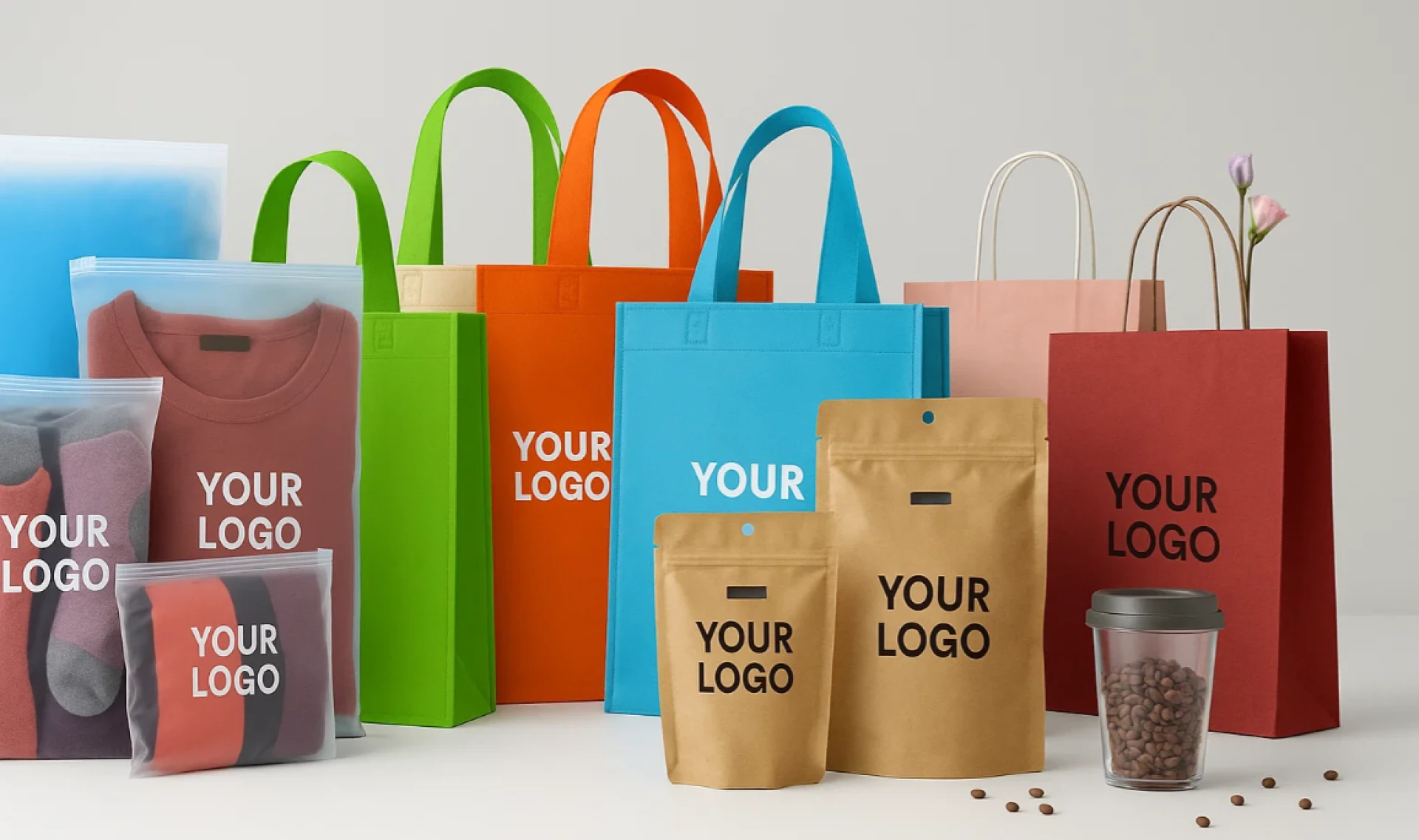
Packaging bags are one of the most versatile solutions in today’s market. They serve multiple industries, from food delivery to fashion retail.
Non Woven Bags
Non woven bags are made from spun-bond polypropylene, a fabric-like material. They are strong, reusable, and customizable.
Benefits for businesses:
- Affordable alternative to cotton or jute bags
- Lightweight yet durable
- Easy to print with company logos and designs
- Accepted as eco-friendly since they reduce plastic dependency
Use cases:
- Grocery stores offering reusable carry bags
- Event organizers distributing promotional merchandise
- Fashion retailers replacing single-use plastic with branded non woven bags
Zip Bags Packaging
Zip bags provide secure and reusable closure. They are often transparent, making products visible without opening the package.
Advantages:
- Prevent spills and contamination
- Reusable and resealable
- Available in multiple sizes and thicknesses
Industries using zipper bags:
- Food businesses for snacks, spices, or frozen goods
- Jewelry stores for small, delicate items
- Electronics companies for accessories and spare parts
Custom Packaging Bags
Custom packaging bags allow businesses to personalize every aspect, from material choice to print design.
Why they work:
- Strengthen brand recognition
- Encourage social media sharing when customers like the packaging
- Help small businesses stand out in crowded markets
Packaging Materials and Their Uses
The choice of material impacts cost, durability, and environmental footprint.
- Paper Packaging
- Recyclable, lightweight, and ideal for food and retail businesses.
- Plastic Packaging
- Still widely used due to low cost and flexibility, though facing restrictions in many regions.
- Fabric Packaging
- Includes cotton, jute, and non woven bags. Popular for reusable solutions.
- Hybrid and Sustainable Materials
- Compostable plastics and recycled paper are gaining popularity for eco-conscious businesses.
How to Choose the Right Packaging for Your Business
Every business has unique needs. Consider these factors before deciding:
- Product Type
- Fragile items may need bubble wrap and sturdy boxes, while clothes can be shipped in soft packaging bags.
- Durability
- Packaging should withstand transport without tearing or leaking.
- Cost
- Balance budget with quality. Cheap packaging may lead to more returns.
- Eco-Friendliness
- Consumers are more likely to support brands with sustainable packaging.
Example comparison:
- A bakery may prefer paper packaging for pastries.
- A fashion brand may opt for custom non woven bags.
- An electronics seller may choose zip bags packaging for accessories.
Mistakes to avoid:
- Ignoring packaging size and ending up with oversized boxes that waste space and money
- Overcomplicating design with excessive prints or colors
- Using non-recyclable materials in markets where regulations are strict
Packaging Manufacturers: Finding the Right Partner
A reliable packaging manufacturer can make or break your supply chain.
What to look for:
- Consistency in quality
- Ability to scale production
- Customization options
- Compliance with environmental standards
Questions to ask:
- What materials do you specialize in?
- Can you provide samples before bulk orders?
- What is your turnaround time?
- Do you offer eco-friendly options?
Local vs. International suppliers:
- Local suppliers often provide faster turnaround and lower shipping costs.
- International suppliers may offer lower production costs but longer delivery times.
Niche manufacturers:
- Zipper bag manufacturers focus on reusable closures.
- Non woven bag producers specialize in fabric-like alternatives to plastic.
Trends in Packaging for 2025
Packaging is evolving quickly to match consumer expectations.
- Sustainable Packaging
- Recycled, biodegradable, and compostable materials are no longer optional.
- Minimalist Designs
- Simple packaging with clean fonts and fewer colors appeals to modern buyers.
- Smart Packaging
- QR codes and AR features let customers access product information instantly.
- Personalization
- Businesses create limited edition packaging bags for seasonal campaigns or influencer collaborations.
Case Studies and Real-Life Examples
- Retail store using non woven bags
- A small clothing store replaced plastic with non woven bags printed with their logo. Customers reused the bags, creating free advertising in the community.
- E-commerce business using zip bags packaging
- An online jewelry shop started shipping products in zipper bags to prevent scratches and tangling. This reduced returns by 20 percent.
- Global brand adopting sustainable packaging
- A beverage company switched to recyclable paper cartons. Their eco-friendly move attracted new customers and improved their reputation.
FAQs
What are the most eco-friendly packaging options?
Non woven bags, recycled paper, and compostable plastics are among the best choices.
How do I find reliable packaging manufacturers?
Check reviews, ask for samples, and compare suppliers on quality and pricing.
Are non woven bags better than plastic bags?
Yes, they are reusable, stronger, and more environmentally friendly than single-use plastic.
Can custom packaging bags improve sales?
Yes. Unique packaging attracts attention, builds brand identity, and encourages repeat purchases.
Conclusion and Call to Action
Packaging is more than a wrapper. It is a marketing tool, a cost-saving strategy, and a way to protect the planet. From non woven bags to zip bags packaging, the right choice depends on your product, audience, and business goals.
If you want your business to stand out, start by upgrading your packaging. Explore reliable packaging manufacturers, test different materials, and invest in designs that align with your brand values.
Take the next step today and connect with trusted packaging suppliers who can help you grow your business.