Gardening at home is more than just a hobby; it is a way to bring freshness, greenery, and calm into your living space. Whether you live in a small apartment or a house with a backyard, following simple tips for gardening at home can help you grow beautiful plants, fresh vegetables, and herbs efficiently. Gardening is not only rewarding but also improves mental well-being, reduces stress, and can even enhance your kitchen with homegrown produce.
Whether you are a beginner or an experienced gardener, these tips can make your home garden thrive and flourish throughout the year.
Start Small and Plan Your Space
One of the most important tips for gardening at home is to start small. Beginners often get overwhelmed by the idea of managing a large garden. Start with a few pots, containers, or a small patch in your balcony or backyard.
Plan your garden based on sunlight, available space, and the type of plants you want to grow. Observing your space helps determine which plants will thrive, whether flowering plants, herbs, or vegetables. For experts, designing garden layouts with vertical gardens or raised beds can maximize space and create a more organized look.
Choose the Right Plants
Choosing plants suitable for your local climate and indoor/outdoor conditions is key. Some plants require more sunlight, while others thrive in partial shade.
For beginners, easy-to-grow plants like money plant, spider plant, tulsi, aloe vera, and snake plant are ideal. Tomatoes, spinach, coriander, or green chilies are good places for vegetable lovers to start. To add variety and color to the garden, experts can try with bonsai, exotic plants, or seasonal flowers.
Use good-quality soil and fertilizers
Healthy soil is the foundation of a thriving garden. Use nutrient-rich soil or potting mix suitable for the type of plants you are growing. Compost or organic fertilizers improve soil fertility and promote strong root development.
To avoid waterlogging, regularly check the moisture content of the soil and make sure there is adequate drainage. Experts often recommend adding natural additives like vermicompost or neem cake to maintain healthy soil ecology.
Watering and Sunlight Management
Watering is one of the most crucial aspects of home gardening. Most plants require moderate watering, but the frequency depends on the type of plant and season. Overwatering or underwatering can damage plants.
Sunlight is equally important. Observe how much sunlight your garden receives and place plants accordingly. Indoor plants may require indirect sunlight, while vegetables and flowers often need direct sunlight for at least 4-6 hours a day.
Pruning and Plant Care
Regular pruning keeps plants healthy, encourages new growth, and prevents diseases. Remove dead leaves, faded flowers, and unhealthy stems.
Experts suggest using clean and sharp tools to prevent damage and spread of pests. Additionally, inspect plants regularly for pests like aphids, mites, or fungal infections, and treat them early to avoid larger problems.
Composting and Recycling
Composting is a great way to manage kitchen waste while nourishing your garden. Vegetable peels, tea leaves, coffee grounds, and dry leaves can be converted into compost, providing natural nutrients for plants.
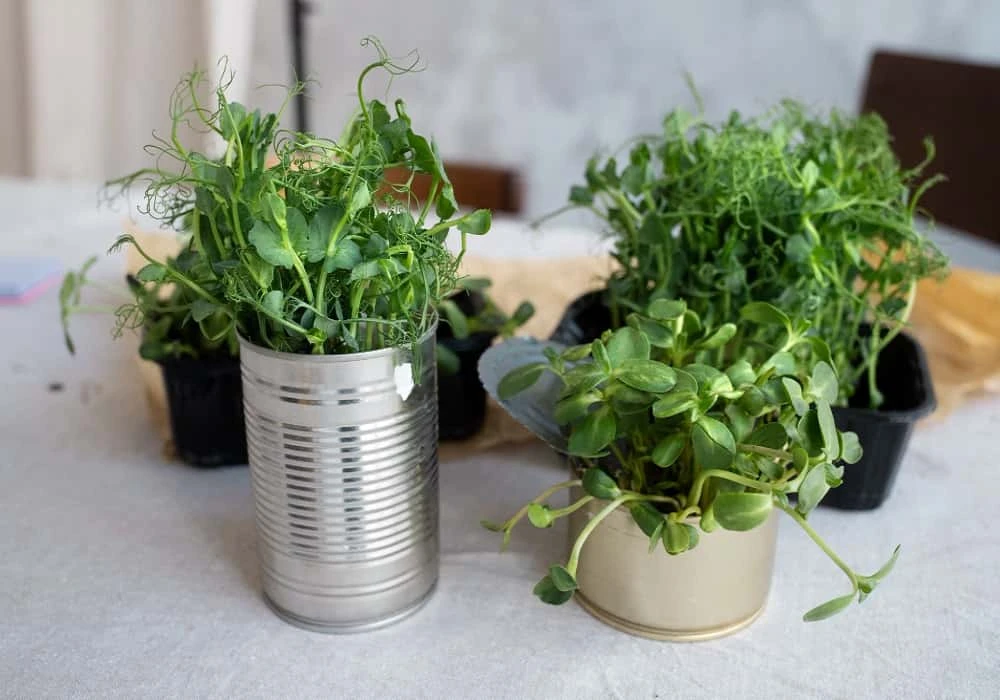
Recycling containers, jars, or old buckets into plant pots is another eco-friendly tip that saves money and gives your garden a creative touch.
Indoor Gardening Tips
If you have limited outdoor space, indoor gardening is a practical option. Use small pots, hanging baskets, or vertical planters. Herbs like basil, mint, and coriander grow well indoors.
Maintaining humidity, proper airflow, and adequate light is important. Experts recommend using grow lights during winters or in low-light conditions to support healthy growth.
Seasonal Gardening
Gardening at home changes with seasons. Summer requires more watering and sun protection for delicate plants, while monsoon needs care against fungal infections. Winter is ideal for leafy greens and herbs. Following seasonal tips ensures that plants remain healthy and productive throughout the year.
Benefits of Gardening at Home
Gardening is not just about aesthetics; it has several health and lifestyle benefits. It reduces stress, improves mood, and encourages physical activity. Growing your own vegetables and herbs ensures fresh and chemical-free produce. Additionally, a well-maintained garden improves air quality and adds a natural touch to your home environment.
FAQs
What are the easiest plants for beginners to grow at home?
Money plant, snake plant, tulsi, aloe vera, and pothos are ideal for beginners due to their low maintenance needs.
How often should I water my home garden plants?
Watering depends on the plant type and season. Most indoor plants need moderate watering, while vegetables and flowering plants may require daily or alternate-day watering.
Can I grow vegetables in small spaces like balconies?
Yes, using pots, vertical planters, or raised beds, you can grow vegetables like tomatoes, spinach, chilies, and herbs even in limited spaces.
How can I prevent pests in my home garden?
Regularly inspect plants, remove dead leaves, and use natural remedies like neem oil or insecticidal soap to control pests.
Is composting necessary for home gardening?
While not mandatory, composting enriches soil naturally, reduces kitchen waste, and improves plant health significantly.