A home’s foundation quietly does one of the most important jobs in any structure: it supports everything above it. When the foundation is stable, the rest of the home tends to stay stable as well. But when problems begin to develop below the surface, they often show up in subtle ways throughout the house.
Recognizing the early signs of foundation trouble can save homeowners significant stress, time, and money. Small structural issues often become much larger and more expensive if they’re ignored. Understanding what to watch for allows you to act quickly and keep your home safe and structurally sound.
Why Foundation Issues Develop
Foundations are designed to be strong and durable, but they still interact with soil, moisture, and environmental conditions. Over time, these factors can create movement beneath a home.
Some of the most common causes of foundation problems include:
- Soil expansion and contraction due to moisture changes
- Poor drainage around the home
- Tree roots drawing moisture from soil
- Improper soil compaction during construction
- Long-term settling of the structure
When the soil shifts, the foundation may move unevenly. This movement can place stress on walls, floors, and structural components throughout the house.
Common Interior Signs of Foundation Problems
Inside the home, foundation movement often reveals itself through visible structural changes. These warning signs may appear gradually, which is why many homeowners overlook them at first.
Cracks in Walls and Ceilings
Small hairline cracks can occur naturally in homes over time. However, larger or widening cracks may signal deeper structural movement.
Look for:- Diagonal cracks extending from windows or doors
- Cracks where walls meet ceilings
- Long horizontal cracks along drywall seams
If cracks appear suddenly or continue to grow, it’s worth investigating further.
Doors and Windows That Stick
A shifting foundation can cause the frame of a house to become slightly misaligned. When that happens, doors and windows may stop opening and closing properly.
Signs include:- Doors rubbing against frames
- Windows that suddenly become difficult to open
- Gaps appearing around window frames
These changes can indicate that parts of the structure are no longer level.
Uneven or Sloping Floors
Another common indicator of foundation movement is flooring that feels uneven underfoot. In some cases the slope may be subtle, while in others it becomes obvious.
Homeowners might notice:- Furniture leaning slightly
- Floors dipping toward the center of a room
- A rolling object slowly moving across the floor
While older homes may naturally have slight settling, noticeable changes should not be ignored.
Exterior Signs That Shouldn’t Be Ignored
The outside of the home can provide some of the clearest clues that foundation issues are developing.
Cracks in Brick or Masonry
If your home has a brick exterior, examine the mortar lines. Stair-step cracks along brick joints are one of the most recognizable signs of foundation movement.
These cracks often appear when part of the structure shifts more than another.
Gaps Around Windows or Doors
When foundations move, the exterior structure can pull away from window frames, door frames, or trim. Visible gaps or separation between materials may signal structural shifting.
Chimney Tilting or Pulling Away
A chimney is often built on a separate footing from the main house. If the soil beneath it shifts differently than the home’s foundation, the chimney may lean or separate from the structure.
This is one of the more serious signs that foundation inspection may be necessary.
The Importance of Acting Early
Foundation issues rarely correct themselves. In most cases, the longer the problem exists, the more structural stress develops throughout the home.
Addressing early warning signs offers several benefits:
- Prevents structural damage from spreading
- Protects property value
- Reduces repair complexity
- Helps maintain safety within the home
Professional contractors who specialize in structural stabilization can assess the situation and determine the appropriate repair approach. For homeowners researching solutions and services related toBrookfield foundation repair, reviewing contractor resources and understanding available repair methods can provide helpful context before scheduling an inspection.
What Happens During a Foundation Inspection
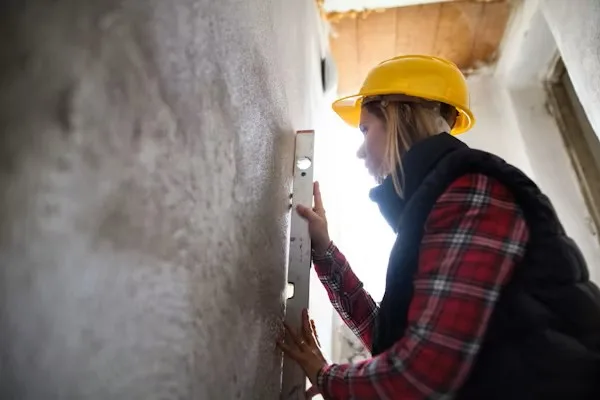
A professional inspection typically involves evaluating both the interior and exterior of the property. Contractors look for patterns of movement and structural stress that indicate the source of the issue.
An inspection may include:- Checking visible cracks in walls, ceilings, and exterior masonry
- Measuring floor elevations to identify uneven settling
- Examining drainage and soil conditions around the home
- Inspecting structural components in basements or crawl spaces
- Assessing grading and water flow near the foundation
The goal is to identify whether the home is experiencing normal settling or a more serious structural concern.
Preventative Steps Homeowners Can Take
While not all foundation issues can be prevented, certain maintenance habits can reduce risk and help preserve structural stability.
Maintain Proper Drainage
Water is one of the biggest contributors to soil movement. Gutters, downspouts, and grading should direct water away from the home.
Monitor Landscaping
Large trees planted too close to a home can remove moisture from soil or disturb the ground with expanding roots.
Watch for Plumbing Leaks
Hidden leaks can saturate soil under a foundation, weakening the support structure beneath the home.
Inspect Your Home Regularly
Taking time once or twice a year to walk around your property and look for new cracks or shifting can help you catch problems early.
Protecting Your Home’s Structural Integrity
Your home is likely one of your most valuable investments, and its foundation plays a critical role in protecting that investment. While small cosmetic imperfections are normal, structural warning signs should never be ignored.
By understanding the common symptoms of foundation movement and addressing them early, homeowners can avoid larger structural complications down the road. Staying aware of changes inside and outside the house allows you to respond quickly and maintain the long-term stability of your property.