Introduction
Alzheimer’s disease is a growing concern when it comes to brain health in aging adults. It is a progressive disease which leads to the person's memory, ability to think, and behaviors; and it ultimately reduces functionality and the ability to live independently. Because the disease develops over a long time, someone may be less likely to notice it or recognize it. However, identifying the disease early and managing it properly is important to allowing the individual to live a higher quality of life for a longer period of time. It is critical for patients, families, and healthcare providers to be aware of early signs, diagnostic techniques, and management options.
Understanding Alzheimer’s Disease
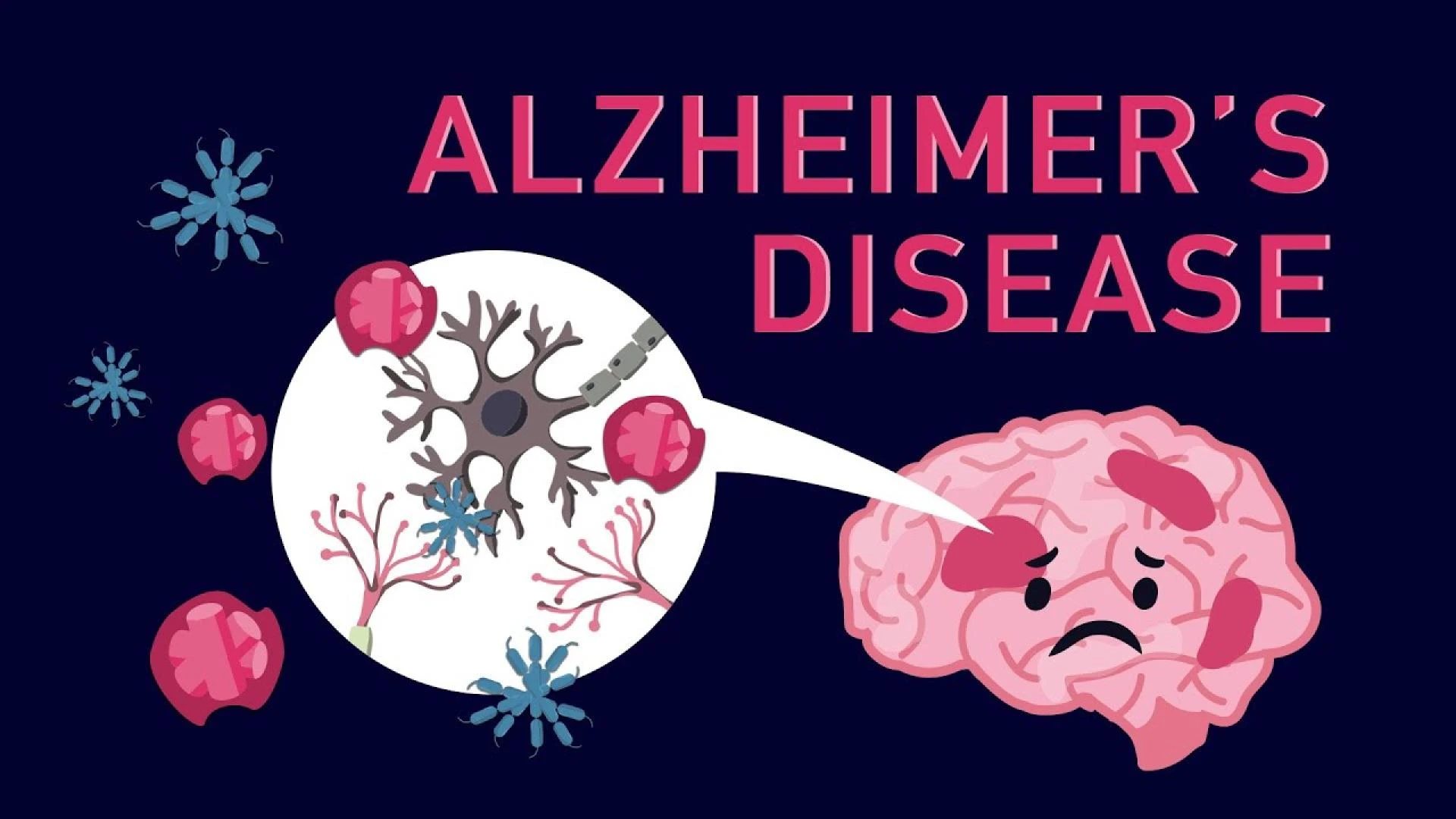
The Alzheimer’s Disease process involves damage to the neurons which are the brain's nerve cells. Neurons are critical to the brain's ability to communicate and serve a number of functions within the brain, including memory, learning, reasoning, and decision making. The neurons in Alzheimer’s disease become damaged and eventually die off. The more neurons that die, the less ability the brain has to process and communicate information.
The initial stages of this disease begin with the brain region involved in the processing of memories. As this disease continues to evolve, other brain regions are incorporated and as a result, the afflicted individual suffers from problems with language, judgement, and conduct. Ultimately, the afflicted individual may need help with virtually all areas of daily functioning.
The Value of Early Detection
The value of detecting Alzheimer's disease in its early stages cannot be overstated. When an early detection of the disease is made, the patient and the patient’s family are given a greater temporal range to properly understand the disease and make appropriate future plans. An early diagnosis also provides an opportunity for the physician to initiate therapeutic interventions aimed at alleviating symptoms and possibly decelerating the rate of cognitive decline.
Detection of the disease in its early stages may also assist in the identification of other medical problems which may be causing symptoms of a similar nature to the ones experienced by the Alzheimer's patient. For example, memory loss may be due to conditions such as vitamin deficiency, side effects of medications, or even depression. An adequate medical work-up may help ensure that the correct diagnosis is made.
Having knowledge of the disease process in advance may also encourage the individual to sustain a more active lifestyle through a regimen of physical exercise, a healthy balanced diet, and a lifestyle that is mentally stimulating, all of which are aimed at supporting and preserving the health of the brain.
Early Signs and Symptoms
Early symptoms for Alzheimer's are often confused with normal forgetfulness. One of the earliest signs is forgetfulness of new or recent information. A person may forget conversations or appointments, or important dates, something that is becoming more common with the individual.
Another common early sign is an inability to carry out previously familiar tasks. Tasks that used to be routine and without difficulty, such as keeping a budget, following a cooking recipe, or planning out a to-do list, may become a source of confusion. Often times, individuals report difficulty with staying focused, or with decision making.
Early Alzheimer's may show itself with properly functioning language, but pause, or repetitively request the same word, or utter the same sentence a number of times. This type of impaired social functioning can be frustrating, and as a result, a person may lead to avoid social situations.
Significant fluctuations in a person’s emotional state may be an early sign as well. Change in social behaviour, such as increased withdrawn or irritable behaviour, is a result of social emotional region affected. It's common for people to become more socially anxious before the condition becomes advanced.
Medical Diagnosis and Evaluation
There are a number of steps to be taken in order to successfully diagnose Alzheimer’s disease. Doctors typically start by looking and gathering additional background information and records. They also complete a cognitive assessment in some cases.
Doctors use cognitive tests to gauge a patient's memory, focus, verbal skills, and ability to solve problems. These tests help doctors figure out how the brain is working and if there are any signs of cognitive decline.
Mind imaging techniques like MRI and CT scans look at brain imagery and structure to see if the brain has any parts that are atrophied or damaged.
In addition to these imaging tests, there are also some specialized tests that may help identify proteins that are indicators of Alzheimer’s Disease.
Laboratory tests help diagnose other conditions with symptoms that may be similar to a cognitive issue, and a complete diagnostic study promises to identify the process accurately.
Lifestyle Modifications to Cope with the Disease
Some lifestyle modifications can help improve cognitive symptoms and, of course, help brain health.
One of the most useful activities is exercise. The more the person exercises, the more blood can circulate to the brain which also improves the health of the heart.
A healthy brain and a healthy heart can be had also be achieved by eating a well-balanced diet. Some of the foods to be incorporated in the diet are fruits, vegetables, and whole grains. The brain can also be protected by some of the nutrients, for example, omega 3 fats, vitamins, and antioxidants.
While planning activities, designing them with mental stimulation as a priority will be beneficial. Engaging in reading, puzzles, learning a new skill, or playing a musical instrument will help with maintaining activity in the brain. Mental engagement encourages sustained cognitive function.
Brain health is also impacted by social engagement. The risk of suffering from depression or social isolation can be reduced by the strengthening of social engagement as well as the social engagement of family and friends.
Therapy and Medications
Several medications can be prescribed for the symptoms of Alzheimer’s disease that can enhance the symptoms of communicating, remembering, and thinking. These medications do not cure the disease, and the effects do not last.
The mental and social engagement activities prescribed by doctors are useful. These activities are beneficial for the improvement of cognitive engagement.
In combination with medications, an established daily activities schedule can offer mental stimulation for people suffering from Alzheimer’s disease. Alzheimer’s disease sufferers are affected by the cognitive decline of daily activity. Activities such as labeling, reminding, and organizing can improve cognitive decline for Alzheimer's patients.
Role of Family Caregivers
Management of Alzheimer's disease involves caregivers. Family members may offer emotional support, monitoring, and help with day-to-day tasks. Often, as the disease progresses, the burden of the caregiving role increases substantially.
Caregivers may provide assistance with meal preparation, medication management, appointment scheduling, and home safety. Living with someone with Alzheimer's requires patience, understanding, and compassion.
To counterbalance the stress, caregivers need to focus on self-care and to access support from family, community services, or professionals. Sharing experiences, mentorship, and emotional support all occur within support groups.
Caregivers gain insight from educational materials to help them understand the disease and learn tools to deal with the daily challenges they experience. Accessible health content like the article on Primedz is an example of content health information facilitates.
Future Directions
Developing new treatments for Alzheimer's disease is an ongoing challenge in the field. Abnormal proteins and their effect on brain cells is one avenue of study. Research is focused on how to mitigate those changes.
Technological improvements in medicine are developing new methods of detecting disease even earlier. Risk assessment, analytic technology, and sophisticated imaging are allowing physicians to pinpoint illness even sooner.
Clinical studies are evaluating additional targeted medications and potential disease-modifying therapies. Although a disease-modifying treatment is not yet available, hope for progressive illness is available through modern therapeutic management.
Conclusion
Quality of life is measurable in individuals living with Alzheimer's disease. Care planning is possible with the management of early symptoms, and early intervention is preventative. Although there is no cure, treatment, proactive health behaviors, and a strong support system foster dignity.
With increased knowledge of the disease, the community is able to assist Alzheimer’s patients. Education, research, and support are the pillars of a developing understanding of the disease process and the management of Alzheimer’s.