Reimagining Retail: The Dropshipping Revolution Unfolds
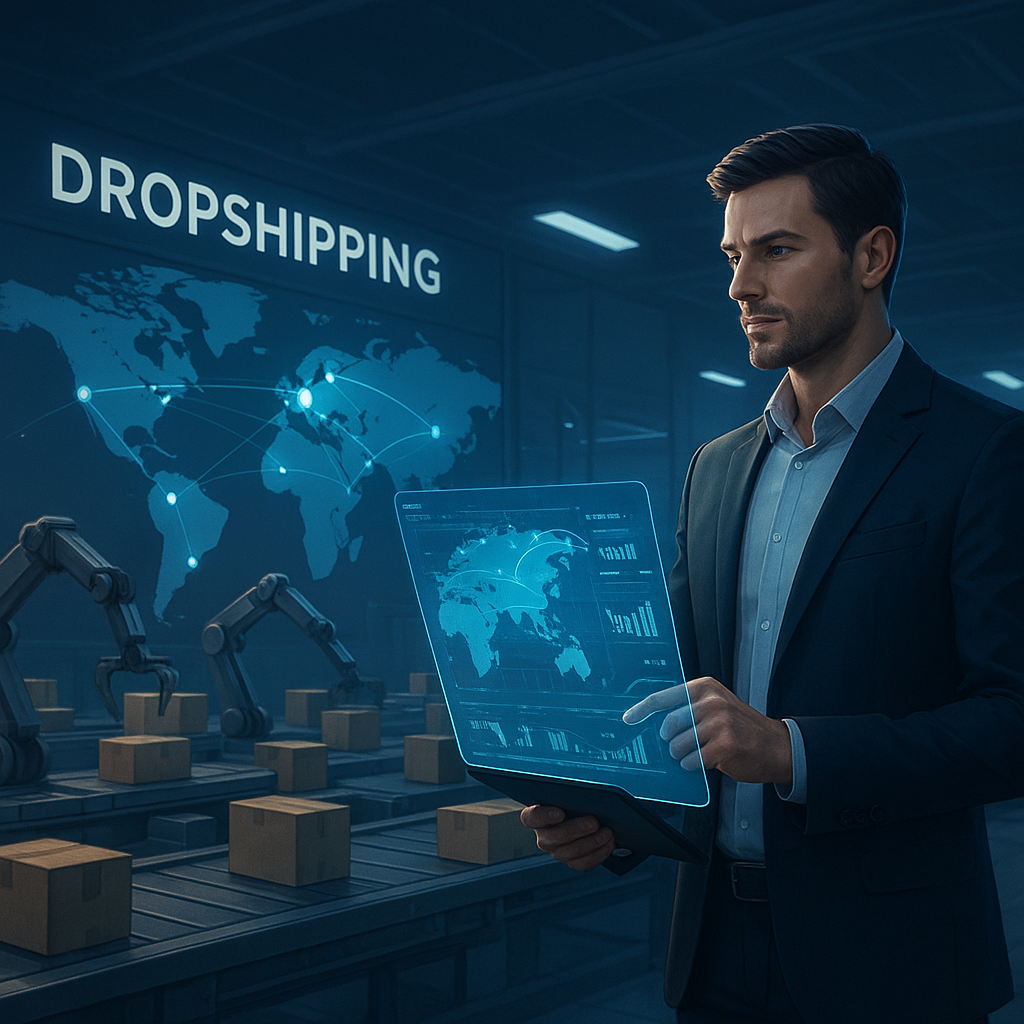
Imagine launching an online store without ever stocking a single product, shipping a parcel, or managing inventory. This vision, once a mere entrepreneurial fantasy, has matured into a robust business model known as dropshipping. In 2026, dropshipping is no longer just an entry-level ecommerce strategy favored by beginners; it has evolved into a sophisticated, data-driven, and scalable approach embraced by brands worldwide. According to recent industry reports, the global dropshipping market is projected to exceed $250 billion by 2027, underscoring its massive economic footprint.
Early adopters who entered the dropshipping space in the 2010s often encountered challenges ranging from supplier reliability to razor-thin margins. Fast forward to today, and the landscape is dramatically different. Advanced automation, AI-powered supplier vetting, and integrated SaaS platforms have transformed dropshipping into a strategic ecommerce powerhouse. This article explores how dropshipping evolved, its current status in 2026, and what future developments will shape this dynamic sector.
“Dropshipping’s transformation from a fringe tactic to a mainstream ecommerce strategy reflects broader shifts in digital commerce, logistics, and consumer expectations.” — Ecommerce analyst, Lisa Chen
From Fringes to Forefront: The Historical Trajectory of Dropshipping
The roots of dropshipping trace back to the early 2000s, but it was the proliferation of platforms like Shopify and AliExpress in the 2010s that democratized access for millions of entrepreneurs. Initially, the model capitalized on low startup costs, allowing sellers to list products without upfront inventory investments. However, early dropshipping ventures suffered from inconsistent supplier quality, long shipping times, and saturated niches.
The 2020s marked a turning point. Technological innovations and shifts in consumer behavior converged to create fertile ground for dropshipping’s maturation. Key developments included:
- Integration of AI and machine learning: Automated supplier assessment and demand forecasting reduced risk.
- Global logistics improvements: Faster shipping and better tracking enhanced customer satisfaction.
- Rise of specialized SaaS tools: Platforms offering end-to-end dropshipping management became commonplace.
These changes laid the foundation for a more reliable, scalable, and profitable dropshipping ecosystem. By 2025, leading ecommerce brands were incorporating dropshipping as part of hybrid inventory strategies rather than relying solely on traditional warehousing.
Decoding Dropshipping in 2026: Data, Trends, and Core Mechanics
The mechanics of dropshipping remain straightforward: a retailer offers products online, forwards customer orders to a supplier, who ships directly to the consumer. Yet the nuances of execution have grown in complexity. Today’s successful dropshippers leverage sophisticated metrics and diverse tools to optimize every stage.
Key performance indicators (KPIs) that dictate success include:
- Supplier reliability score: Based on on-time delivery rates, product quality, and responsiveness.
- Customer acquisition cost (CAC): Balancing marketing spend against lifetime value.
- Order fulfillment speed: Critical as consumer demand for rapid delivery intensifies.
- Return rate analytics: Identifying product categories with higher return incidences.
Moreover, the SaaS ecosystem supporting dropshipping has expanded dramatically. Platforms now offer AI-driven product research tools, automated price monitoring, and real-time inventory syncing. This integration reduces human error and accelerates decision-making.
“In 2026, dropshipping is less about chasing the cheapest supplier and more about building sustainable, transparent supply chains supported by technology.” — CTO of a leading dropshipping SaaS provider
Comparatively, dropshipping margins have stabilized around 15-30%, depending on niche and supplier partnerships. This stability contrasts sharply with the volatility seen in the mid-2010s, when margins could swing wildly due to unpredictable supplier practices.
2026 Breakthroughs: Innovations and Market Shifts Reshaping Dropshipping
This year, dropshipping has witnessed several transformative developments that solidify its strategic role in ecommerce portfolios:
- Localized Dropshipping Hubs: To combat long shipping times, companies are utilizing regional micro-warehouses that suppliers stock, enabling 1-3 day deliveries.
- AI-Enhanced Supplier Matching: Advanced algorithms evaluate suppliers’ logistics, compliance, and historical performance to recommend optimal partners.
- Multi-Channel Integration: Dropshippers now seamlessly sell across marketplaces like Amazon, eBay, and TikTok Shop with centralized order management.
- Sustainability-Focused Dropshipping: Growing consumer demand for eco-conscious products has led to curated supplier networks emphasizing carbon-neutral shipping and ethical sourcing.
Additionally, regulatory scrutiny on ecommerce transparency has increased. Dropshippers must now provide clearer product origins and supply chain disclosures. This shift is fostering trust and long-term customer loyalty, a critical factor as competition intensifies.
TheOmniBuzz’s recent feature article, Dropshipping’s 2026 Renaissance, highlights how these innovations are driving a new wave of entrepreneurial opportunities and raising the bar for operational excellence.
Voices from the Field: Expert Insights and Industry Impact
Industry leaders concur that dropshipping’s evolution is a reflection of broader ecommerce ecosystem maturation. Sarah Kim, CEO of a top dropshipping SaaS company, emphasizes that “technology and data are the twin engines propelling dropshipping beyond its origins as a low-barrier tactic into a core component of diversified ecommerce strategies.”
Meanwhile, logistics experts point to the rise of regional fulfillment centers and AI-driven routing as game-changing. These advancements reduce delivery times and costs, tackling one of dropshipping’s historic weaknesses.
“Dropshipping’s success today hinges on sophisticated supplier ecosystems that blend automation, agility, and transparency,” states logistics analyst Dr. Marco Villanueva.
The impact extends to traditional retailers as well. Many are adopting hybrid models that combine dropshipping with owned inventory to optimize cash flow and respond to market demand with unprecedented flexibility.
These shifts also influence consumer expectations. Enhanced tracking, faster delivery, and readily available product information set new standards for online shopping, forcing all ecommerce players to innovate.
Strategic Takeaways: What Entrepreneurs Must Watch Going Forward
Looking ahead, dropshipping’s trajectory will be shaped by several critical factors:
- AI-driven personalization: Tailoring product recommendations and marketing based on predictive analytics will become standard practice.
- Regulatory compliance: As governments clamp down on ecommerce transparency, dropshippers must prioritize ethical sourcing and clear disclosures.
- Sustainability imperatives: With consumers demanding greener practices, dropshipping suppliers will need to adapt or risk losing market share.
- Cross-border complexity: Navigating customs, tariffs, and local laws remains a challenge but also an opportunity for competitive differentiation.
- Integration with emerging platforms: Dropshippers leveraging metaverse commerce and voice-activated shopping will pioneer new customer engagement models.
Entrepreneurs seeking to enter or scale within dropshipping should focus on building resilient supplier relationships, investing in technology integration, and embracing transparency as a competitive advantage.
For those interested in a detailed blueprint of winning strategies, TheOmniBuzz’s comprehensive guide Mastering Dropshipping: A Strategic Blueprint for Ecommerce Success offers invaluable insights into operational excellence and market positioning.
Ultimately, dropshipping’s future is one of continued innovation, blending the agility of digital-native business models with the rigor and scale demanded by global commerce.