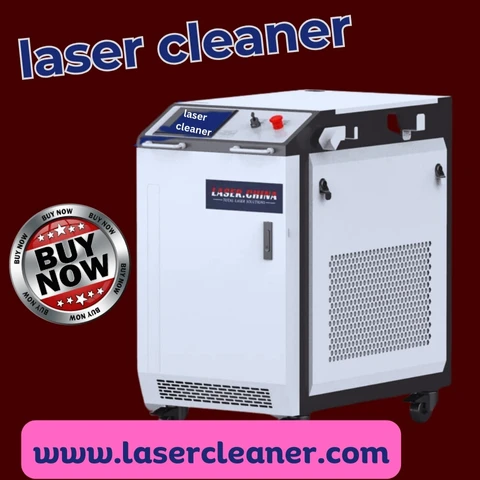
In recent years, the world of industrial cleaning has witnessed a major revolution, and one of the most exciting advancements is the rise of laser cleaner. These high-tech machines use laser beams to effectively clean and remove rust, paint, dirt, and other contaminants from various surfaces. Laser cleaning has become a highly efficient, eco-friendly alternative to traditional methods like abrasive blasting, chemical treatments, or manual scrubbing. In this blog post, we will explore what laser cleaners are, how they work, and the numerous benefits they offer to industries around the world.
What is a Laser Cleaner?
A laser cleaner is a device that uses concentrated laser beams to remove unwanted materials from the surface of an object. The laser emits high-intensity light, which is absorbed by the contaminants on the surface. This energy causes the contaminants to evaporate or break apart, leaving the surface beneath clean and undamaged. Laser cleaning is a precise, non-contact method, making it ideal for delicate materials that could be damaged by other forms of cleaning.
How Does a Laser Cleaner Work?
Laser cleaners operate using a process called laser ablation. The process involves the following steps:
- Laser Emission: The laser cleaner emits a concentrated beam of light onto the target surface.
- Absorption of Energy: The contaminants (such as rust, paint, or dirt) on the surface absorb the energy from the laser.
- Ablation: The absorbed energy causes the contaminants to vaporize or be removed by rapid thermal expansion, without affecting the underlying material.
- Collection of Debris: The debris created during the cleaning process is then extracted using a vacuum or other collection methods to ensure a clean environment.
This method is highly efficient because it only targets the contaminants and does not affect the surface material itself, unlike abrasive cleaning methods.
Advantages of Using Laser Cleaners
1. Eco-Friendly
One of the most significant advantages of laser cleaning is that it is an environmentally friendly solution. Unlike traditional cleaning methods, which may involve the use of harmful chemicals or abrasives, laser cleaning is a clean, chemical-free process. It reduces the need for chemical disposal and generates no hazardous waste, making it a sustainable choice for businesses aiming to reduce their environmental footprint.
2. Precision and Control
Laser cleaning allows for precise control over the cleaning process. The intensity, focus, and duration of the laser can be adjusted to suit the type of material being cleaned, ensuring that only the contaminants are affected. This level of precision minimizes the risk of damage to sensitive surfaces, making it an ideal choice for cleaning delicate or valuable items such as historical artifacts, electronics, and automotive components.
3. Cost-Effective
While the initial investment in a laser cleaning system may be higher than traditional cleaning equipment, the long-term savings are significant. Laser cleaning requires minimal maintenance and reduces the need for consumables like chemicals, abrasives, or water. Additionally, the speed and efficiency of laser cleaners mean that cleaning tasks are completed faster, reducing labor costs and downtime.
4. Versatility
Laser cleaners are incredibly versatile and can be used to clean a wide range of materials, including metals, plastics, ceramics, and composites. This versatility makes laser cleaning suitable for various industries, including automotive, aerospace, manufacturing, construction, and even the art restoration sector.
5. No Wear and Tear
Unlike abrasive cleaning methods that can cause wear and tear on both the cleaning equipment and the surface being cleaned, laser cleaning is a non-contact process. This means that there is no direct physical contact with the surface, reducing the risk of damage. It is also ideal for cleaning surfaces with intricate geometries or hard-to-reach areas.
Applications of Laser Cleaners
Laser cleaners have a wide range of applications across various industries:
- Metal Surface Cleaning: Laser cleaners are commonly used to remove rust, oxide layers, and paint from metal surfaces in the automotive, aerospace, and manufacturing industries.
- Restoration of Artifacts: In the art world, laser cleaning is used to carefully remove dirt, grime, and pollutants from historical sculptures, paintings, and monuments without damaging the original material.
- Welding and Soldering: Laser cleaners are often used to prepare metal surfaces for welding by removing contaminants like oils, rust, and oxidation, ensuring stronger welds.
- Electronics and Semiconductor Industry: Laser cleaning is used to remove contaminants from delicate electronic components, preventing damage during assembly.
Conclusion
Laser cleaning is undeniably one of the most advanced and efficient cleaning methods available today. It provides numerous benefits, including precision, eco-friendliness, and cost-effectiveness, making it a highly attractive option for industries looking to improve their cleaning processes. Whether you're in the automotive, aerospace, or art restoration industry, a laser cleaner is a smart investment that can save time, money, and resources while ensuring superior results. As the technology continues to evolve, the future of surface cleaning looks bright, with laser cleaners at the forefront of this innovation.