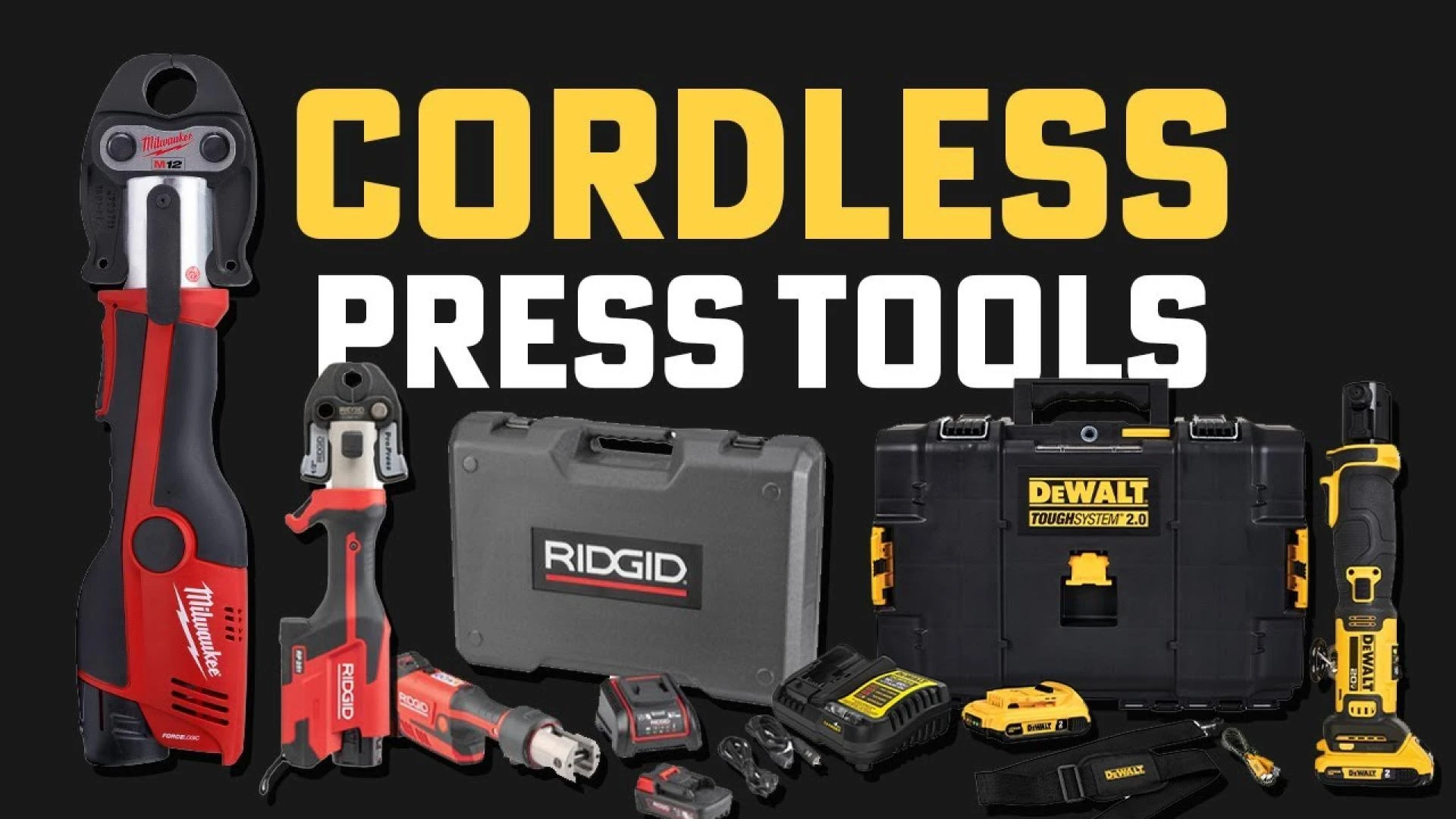
This article explains what press tools are, how they work, their benefits, and why they are indispensable for modern manufacturing.
What is a Press Tool?
A Press Tool is a mechanical device used with a press machine to shape, cut, bend, or stamp materials—typically sheet metals. By using a combination of a punch and die, the tool applies controlled force to produce precise components.
Unlike regular tools, press tools are designed for repeated use, making them ideal for mass production. Each operation produces identical, high-quality results, which is crucial for industries where accuracy matters.
How Does a Press Tool Work?
The working principle of a Press Tool is simple yet highly effective:
- The press machine generates a downward force.
- The die gives the material its required shape.
- The finished part is ejected or released.
This method ensures speed, precision, and minimal waste, making it an essential part of manufacturing processes.
Types of Press Tools
Press tools are designed to perform a variety of operations, including:
1. Cutting Tools
Used for blanking, trimming, and punching operations. They deliver clean and accurate cuts.
2. Forming Tools
Used to bend, draw, or shape materials without removing any part of it.
3. Progressive Tools
Designed to perform multiple steps in one cycle, increasing production efficiency.
4. Combination Tools
Combine cutting and forming in a single process to save time and labor.
Advantages of Using Press Tools
⚡ Increased Efficiency
Press tools allow rapid production of multiple components with minimal manual effort.
🎯 High Accuracy
Every part comes out uniform and precise, maintaining strict quality standards.
💰 Cost-Effective Production
Bulk production lowers the cost per unit while minimizing material waste.
🔄 Consistent Performance
Once properly set, press tools can perform thousands of operations without variation.
Applications of Press Tools
The versatility of the Press Tool makes it suitable for a wide range of industries:
- Automotive: Body panels, engine parts, and chassis components
- Electronics: Metal housings, brackets, and connectors
- Appliances: Fabrication of home appliance components
- Construction: Metal fittings, frameworks, and structural elements
It is equally valuable for small workshops and large industrial plants.
How to Select the Right Press Tool
When choosing a Press Tool, consider the following factors:
- Material type and thickness
- Production volume
- Complexity of the part design
- Durability and build quality of the tool
- Budget and long-term operational cost
Selecting the right tool ensures high performance, efficiency, and minimal downtime.
Maintenance Tips for Press Tools
To maximize the lifespan of a Press Tool:
- Inspect tools regularly for wear or damage
- Lubricate moving parts to reduce friction
- Replace worn-out punches or dies promptly
- Ensure operators follow proper safety procedures
Proper maintenance guarantees smooth operations and consistent product quality.
Conclusion
A Press Tool is more than just a machine accessory—it is a vital asset that ensures precision, speed, and reliability in manufacturing. By using the right press tool and maintaining it correctly, manufacturers can enhance productivity, reduce costs, and deliver superior-quality components.
Whether for small workshops or large factories, press tools remain essential for achieving efficiency and excellence in modern industrial operations.
BLOG FOR MORE UPDATE : CLICK HERE