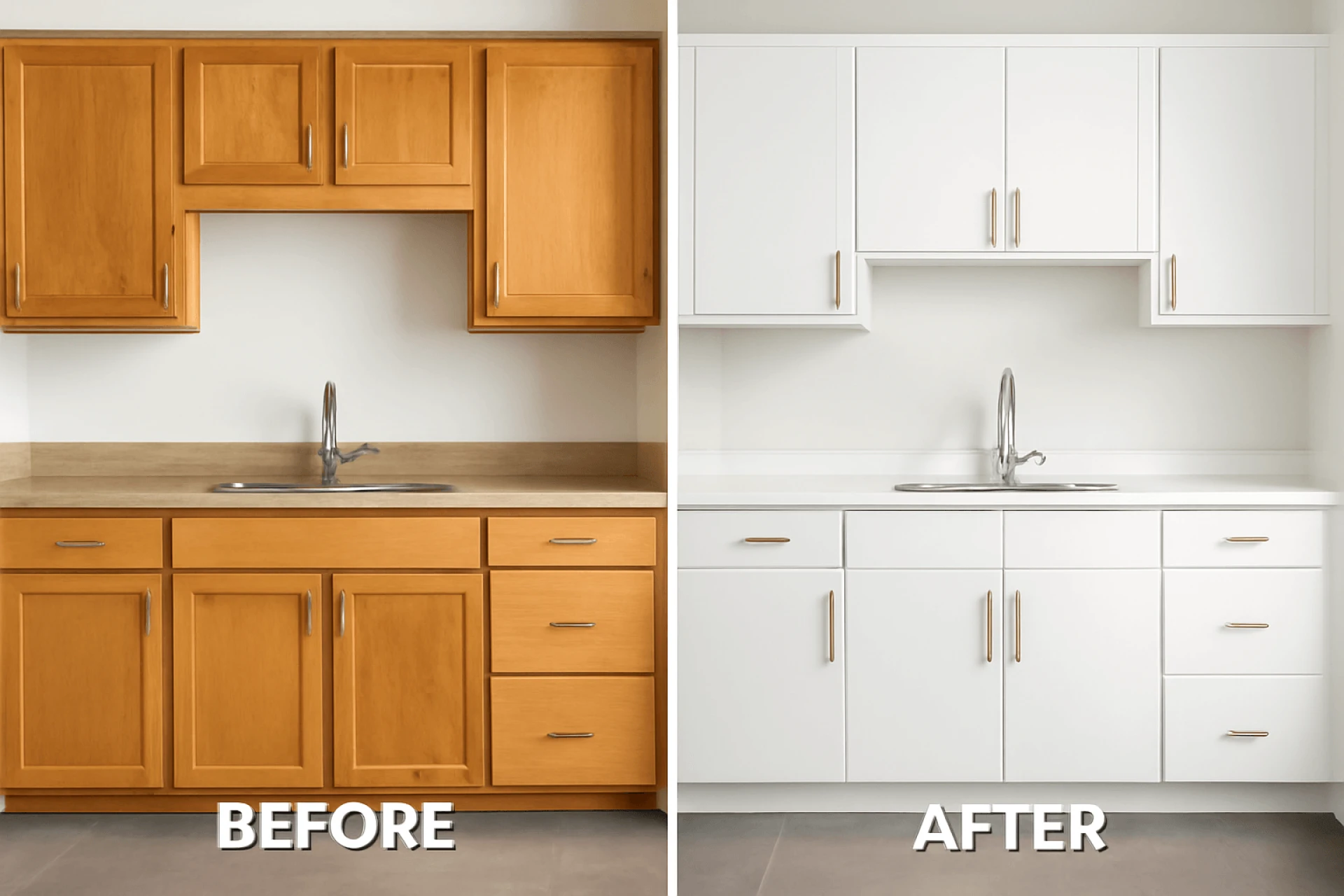
Renovating your kitchen doesn't have to mean tearing down walls or spending thousands of dollars on new cabinets. Kitchen wrapping offers an innovative and cost-effective solution for homeowners looking to update their kitchen without the major hassle of a full renovation. The transformation of your space through wrapping can be dramatic — and the results are often astonishing when compared to the traditional alternatives.
In this blog post, we'll dive deep into the kitchen wrapping process, explore its benefits, and look at real-life before and after transformations to help you decide if this is the right choice for your home.
What is Kitchen Wrapping? An Introduction to the Concept
Kitchen wrapping is a modern alternative to traditional renovation methods, where existing kitchen surfaces, including cabinets and countertops, are covered with a high-quality vinyl or laminate material. This process not only refreshes the look of your kitchen but also protects the underlying surfaces from wear and tear.
The appeal of kitchen wrapping lies in its ability to give a new, modern look to your kitchen without the need for a complete overhaul. Whether you’re updating old wooden cabinets, refreshing a tired backsplash, or giving your countertops a new life, wrapping is a highly customizable and affordable option. Materials such as vinyl wraps, laminates, and specialty films are commonly used in the wrapping process.
The Benefits of Kitchen Wrapping Over Traditional Renovation
Kitchen wrapping offers a variety of benefits when compared to traditional renovations. Here are some reasons why it might be the right choice for your next kitchen update:
- Cost-Effective: One of the most significant advantages of wrapping your kitchen is the cost savings. Unlike a complete kitchen renovation that involves removing and replacing cabinets, countertops, and more, kitchen wrapping is a much more affordable solution. You can save up to 60% when choosing to wrap rather than fully replace your kitchen surfaces.
- Time-Saving: Kitchen wrapping is a quicker process compared to full renovations. Most projects can be completed in a matter of days, whereas traditional remodels may take weeks or even months.
- Environmentally Friendly: Rather than discarding old materials, kitchen wrapping allows homeowners to retain existing structures and just update their surface. This approach reduces waste and minimizes the environmental impact of your renovation.
- Durability: Modern vinyl wraps are highly durable and resistant to scratches, stains, and fading. They offer long-lasting protection against the wear and tear typical of kitchen spaces.
Is Kitchen Wrapping a DIY Project?
While professional kitchen wrapping services provide expert results, many homeowners opt for a DIY approach to save money. DIY wrapping can be a fun and rewarding project, but it requires patience, precision, and some skill. If you decide to go the DIY route, here are some things to keep in mind:
- Preparation is Key: Properly cleaning and prepping your surfaces is crucial to ensure the wrap adheres properly and stays smooth.
- Tools Required: You'll need specialized tools like a heat gun, utility knife, and squeegees to apply the vinyl or laminate correctly.
- Challenges: Wrapping complex surfaces like corners, edges, or intricate designs can be challenging without experience. Mistakes can lead to air bubbles or misalignment.
If you're uncertain about the process, hiring a professional might be the best route to avoid potential pitfalls.
Before and After: How Kitchen Wrapping Transforms Your Space
The transformation that kitchen wrapping can achieve is truly remarkable. Here are a few examples of how wrapping has the potential to completely revamp the look of a kitchen:
- Outdated Cabinets: An old, wooden kitchen can quickly become modern and stylish with a sleek vinyl wrap. Colors like matte black, white, or even metallic finishes give cabinets a fresh, high-end look without the need for expensive replacements.
- Countertops: If your countertops are chipped or discolored, wrapping them with a high-quality laminate or vinyl can create a smooth, updated surface with minimal cost.
- Backsplashes: Vinyl wraps offer endless design possibilities for backsplashes. You can achieve the look of tile or marble without the labor-intensive installation process.
Real-Life Example: A client looking to refresh their 90s-era kitchen opted to wrap their old oak cabinets in a modern matte gray vinyl wrap. The transformation was stunning, with the entire kitchen appearing more contemporary and clean, all at a fraction of the cost of a full remodel.
H3: Real-Life Kitchen Wrapping Case Study
Consider a couple who wanted to update their kitchen but didn’t want to go through a full renovation. They hired a kitchen wrapping professional to transform their dated, oak cabinets and laminate countertops. After the wrapping was complete, the kitchen looked modern, chic, and refreshed. The couple was thrilled with the result, as it gave them the new kitchen aesthetic they wanted without the hefty price tag of traditional renovations.
Choosing the Right Materials for Kitchen Wrapping
When selecting materials for your kitchen wrapping project, there are several options to consider. The most common materials include:
- Vinyl Wraps: These are the most popular choice for kitchen wrapping due to their flexibility, ease of application, and wide variety of finishes (matte, gloss, textured, etc.).
- Laminate: For a more traditional look, laminate is an excellent option. It’s durable and available in various textures and colors, including options that mimic stone and wood.
Each material comes with its own set of pros and cons, so it's essential to select the one that best aligns with your design preferences, durability needs, and budget.
Professional vs. DIY Wrapping: Which Option is Right for You?
Whether you choose to hire a professional or tackle the project yourself depends on your confidence, available time, and expertise. Professionals can deliver flawless results, but if you’re on a budget, DIY wrapping is a viable alternative, especially for simpler tasks like cabinet facelifts.
Maintenance and Longevity of Kitchen Wrapping
One of the key reasons homeowners choose kitchen wrapping is its low maintenance. However, it’s still essential to care for the surfaces to extend their lifespan:
- Cleaning: Clean your wrapped surfaces with mild soap and water, and avoid harsh chemicals that could damage the finish.
- Longevity: Quality vinyl and laminate wraps can last up to 10 years with proper care. However, the exact lifespan depends on usage, the material used, and the conditions in your kitchen.
Cost Considerations: Kitchen Wrapping vs. Full Renovation
When comparing kitchen wrapping to a full renovation, the cost differences are significant. Here’s a quick breakdown:
- Kitchen Wrapping: Typically ranges from $1,500 to $4,000, depending on the size of the kitchen and the materials used.
- Full Renovation: Can cost anywhere from $10,000 to $50,000, depending on the scope of the project.
Choosing kitchen wrapping allows you to achieve a modern, updated look without breaking the bank.
FAQs:
- How long does kitchen wrapping last?
- Kitchen wraps can last up to 10 years with proper care and maintenance.
- Can I wrap my kitchen cabinets myself?
- Yes, DIY kitchen wrapping is possible, but it requires the right tools and skills.
- Is kitchen wrapping more affordable than a full renovation?
- Yes, kitchen wrapping is significantly more affordable, with costs ranging from $1,500 to $4,000 compared to full renovations which can exceed $10,000.
- What materials are used for kitchen wrapping?
- Common materials include vinyl wraps and laminate, each offering various finishes and textures.
- Can kitchen wrapping help with outdated kitchens?
- Yes, wrapping is an excellent solution for updating old or worn-out cabinets and surfaces at a fraction of the cost of full replacement.
- How do I maintain my kitchen wrap?
- Cleaning with mild soap and water and avoiding abrasive cleaners will keep your wrap looking new.
- Can kitchen wrapping increase the value of my home?
- Yes, wrapping can improve the overall look of your kitchen, which can increase the value of your home if you're planning to sell.