
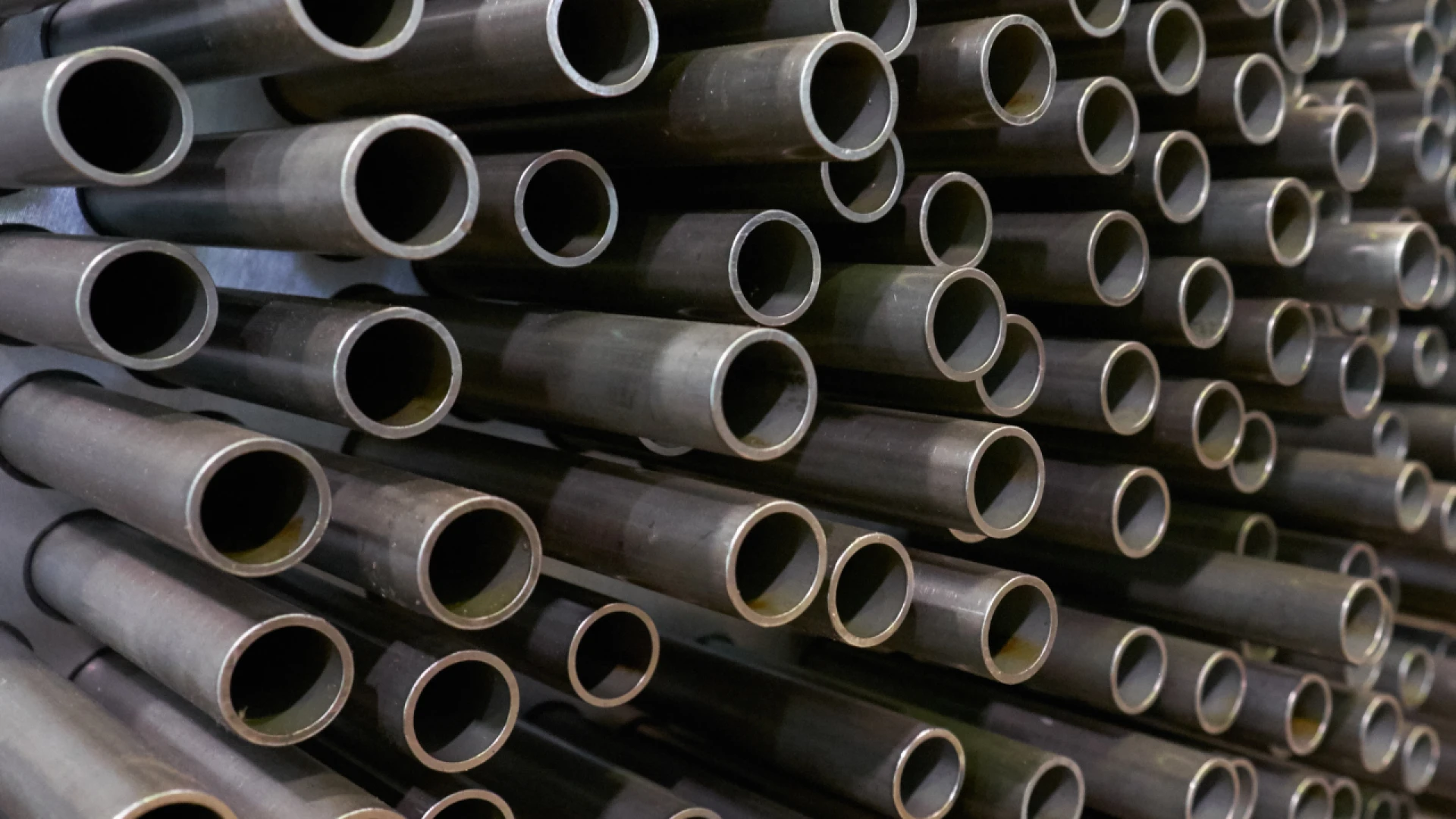
In Thailand's thriving industrial landscape, from the heavy machinery used in construction projects to the sophisticated components in automotive manufacturing, one material stands out for its versatility and strength. This material is carbon steel, an alloy of iron and carbon that has been a cornerstone of engineering and fabrication for centuries. Its widespread use is a testament to its exceptional properties, which can be tailored to meet the demanding requirements of various industries. From the simplest tools to the most complex structural components, carbon steel provides a reliable and cost-effective solution.
Carbon steel's remarkable utility lies in its unique composition. By simply adjusting the percentage of carbon, engineers can dramatically alter its characteristics, making it harder, stronger, or more ductile. This flexibility allows it to be used in countless applications across Thailand's economy. This guest blog will delve into the fundamental properties of carbon steel, its key benefits, and the specific ways it is applied in the country's diverse industrial sectors, showcasing why this material continues to be an indispensable part of our modern world.
What Is Carbon Steel?
At its most basic level, carbon steel is an alloy of iron and carbon, with carbon content typically ranging from 0.05% to 2.0%. Other elements like manganese, silicon, and copper are also present in small amounts. It is the percentage of carbon, however, that most significantly influences the steel's properties. By categorizing carbon steel based on its carbon content, we can better understand its characteristics and ideal applications.
1. Low Carbon Steel (Mild Steel)
This type of steel has a carbon content of less than 0.25%. It is the most common form of carbon steel due to its excellent ductility, formability, and weldability. It is relatively soft and has low tensile strength but is highly versatile.
- Typical Applications: Structural steel, wires, nails, and general-purpose sheets and plates. In Thailand, it is widely used in construction for rebar and structural beams, as well as in the manufacturing of machinery frames and everyday products.
2. Medium Carbon Steel
With a carbon content ranging from 0.25% to 0.60%, medium carbon steel offers a good balance of strength, hardness, and ductility. It can be heat-treated to further enhance its mechanical properties.
- Typical Applications: Automotive components like gears and shafts, railway wheels and tracks, and various machine parts. Its higher strength makes it suitable for applications that require more durability and resistance to wear than mild steel.
3. High Carbon Steel
This steel contains a carbon content between 0.60% and 1.70%. It is very hard and strong but is also less ductile and more difficult to weld. It is often used for applications that require exceptional wear resistance.
- Typical Applications: High-strength wires, cutting tools (e.g., knives, drill bits), and springs. Its hardness makes it ideal for tools that must maintain a sharp edge under stress.
The Key Benefits of Carbon Steel
Carbon steel’s widespread use is a result of several key advantages that make it a preferred material across many industries.
1. Cost-Effectiveness
Compared to more complex alloys like stainless steel or other specialized metals, carbon steel is relatively inexpensive to produce. The abundance of iron and the straightforward manufacturing process make it a highly economical choice for a wide range of applications, from large-scale infrastructure projects to consumer goods. In a cost-sensitive market like Thailand's, this is a major factor in its popularity.
2. High Strength and Durability
Carbon steel offers a high tensile strength, meaning it can withstand significant stress and force without breaking. This makes it an ideal material for structural components, pipelines, and heavy machinery. Its durability ensures that products and structures built with carbon steel have a long service life, even in demanding conditions.
3. Versatility and Adaptability
As noted, the properties of carbon steel can be adjusted simply by changing the carbon content. This flexibility allows it to be tailored for a specific application. Furthermore, it is relatively easy to work with, allowing it to be welded, forged, and machined into a variety of shapes and sizes. This adaptability makes it suitable for everything from a simple bolt to a complex automotive chassis.
4. Recyclability
Carbon steel is a highly recyclable material. It can be melted down and reformed into new steel products with no loss of quality. In Thailand, steel scrap is a valuable commodity, and the recycling of carbon steel helps to conserve natural resources and reduce the energy needed for production, contributing to a more sustainable industrial sector.
Industrial Applications in Thailand
Carbon steel is an integral part of Thailand's economy, supporting key industries and infrastructure projects across the country.
1. Construction and Infrastructure
From the soaring skyscrapers of Bangkok to the bridges spanning Thailand's rivers, carbon steel is the backbone of the construction industry.
- Rebar (Reinforcing Bars): Low carbon steel is used as rebar to provide tensile strength to concrete structures, preventing them from cracking under stress.
- Structural Steel Beams and Plates: The frameworks of large buildings, bridges, and industrial plants are often constructed from carbon steel due to its high strength-to-weight ratio and durability.
2. Automotive and Transportation
Thailand is a major automotive manufacturing hub in Southeast Asia. Carbon steel is essential for the production of a wide range of components.
- Chassis and Body Panels: Mild steel is used for car bodies due to its formability and cost-effectiveness.
- Engine and Transmission Parts: Medium carbon steel is used for more critical components like gears, crankshafts, and axles that require high strength and wear resistance.
3. Manufacturing and Machinery
The manufacturing sector relies heavily on carbon steel for a variety of machinery and tools.
- Machine Components: From gears and bearings to jigs and fixtures, carbon steel's strength and durability make it ideal for parts that endure continuous stress and friction.
- Cutting Tools: High carbon steel is used to create cutting blades, drill bits, and knives due to its ability to hold a sharp edge and resist wear.
4. Energy and Utilities
The country's energy infrastructure, including power plants and pipelines, uses carbon steel for its strength and pressure resistance.
- Pipelines: Carbon steel pipes are used to transport oil, gas, and water due to their ability to withstand high pressure and their relative resistance to corrosion when properly coated.
- Boilers and Pressure Vessels: High-quality carbon steel is used in the manufacturing of boilers and pressure vessels that operate under extreme conditions in power generation plants.
Conclusion
Carbon steel, with its remarkable properties and cost-effective nature, remains one of the most important and widely used materials in the world. From providing the structural integrity for Thailand's infrastructure to serving as the foundation for its robust manufacturing and automotive sectors, its versatility is unmatched. By understanding the different types of carbon steel and their specific benefits, engineers and business leaders can make informed decisions that lead to safer, more durable, and more efficient products. The material’s ability to be recycled also makes it a key component in a more sustainable industrial future, ensuring that carbon steel will continue to be a cornerstone of modern industry for generations to come.
FAQs
Does carbon steel rust?
Yes, carbon steel is susceptible to rust (corrosion) when exposed to moisture and oxygen. To prevent this, it is often coated with a protective layer, such as paint, powder coating, or galvanization. This is a key difference from stainless steel, which contains chromium and is naturally resistant to rust.
Is all carbon steel magnetic?
Yes, almost all types of carbon steel are magnetic. This is because they are composed primarily of iron, which is a ferromagnetic material. This property is useful in many industrial applications, such as sorting steel from other materials in recycling facilities.
What is the difference between carbon steel and stainless steel?
The main difference is their composition. Carbon steel is an alloy of iron and carbon. Stainless steel is an alloy of iron, carbon, and at least 10.5% chromium. The chromium content gives stainless steel its excellent resistance to corrosion and rust, making it ideal for applications where rust prevention is critical, such as in food processing or medical instruments. However, stainless steel is significantly more expensive than carbon steel.
How is carbon steel used in tool manufacturing?
High carbon steel is the preferred material for many hand tools and cutting tools. Its high carbon content makes it extremely hard after heat treatment, which allows it to hold a sharp edge and resist wear. Tools like hammers, saws, drill bits, and knives are often made from high carbon steel to ensure their durability and effectiveness.