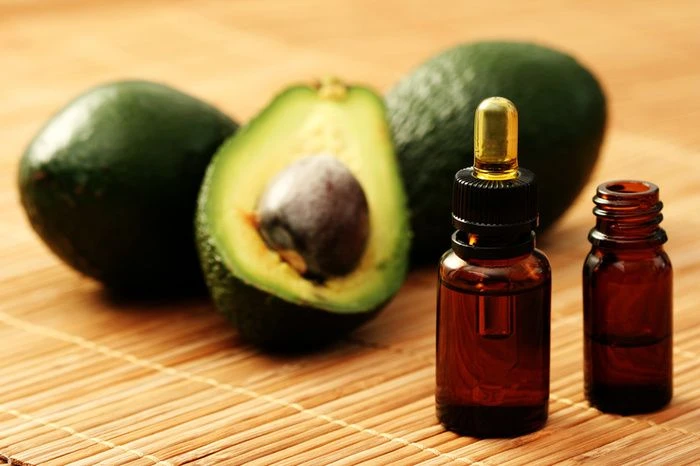
The Avocado Oil Market has witnessed significant growth in recent years, driven by increasing global awareness about healthy lifestyles, plant-based diets, and the expanding applications of natural oils in both food and non-food sectors. Avocado oil, extracted from the pulp of the fruit, is rich in monounsaturated fats, vitamins E and K, antioxidants, and carotenoids—making it a versatile ingredient for culinary use and a sought-after component in the cosmetics and pharmaceutical industries. As consumer preferences shift toward cleaner, more sustainable products, avocado oil is gaining prominence as a premium, nutrient-rich alternative to traditional oils.
Health Trends Fueling Culinary Demand
The growing trend toward functional foods and heart-healthy diets has positioned avocado oil as a preferred choice for health-conscious consumers. It offers benefits such as lowering bad cholesterol, supporting eye health, and providing anti-inflammatory properties. Unlike many other oils, avocado oil has a high smoke point (around 520°F/271°C), making it ideal for frying, sautéing, and grilling without breaking down into harmful compounds.
In Western markets such as North America and Europe, avocado oil has transitioned from a niche product to a mainstream pantry staple, often positioned alongside extra virgin olive oil. Organic and cold-pressed variants are particularly favored, as consumers increasingly value transparency, minimal processing, and traceability in food products.
Expanding Applications in Cosmetics and Personal Care
Beyond its culinary uses, avocado oil has secured a strong foothold in the cosmetics and personal care sector. Thanks to its skin-nourishing properties, it's used in formulations for moisturizers, serums, sunscreens, hair oils, and lip balms. The oil's ability to penetrate deep into the skin, deliver antioxidants, and promote collagen production makes it a highly effective natural emollient.
As beauty brands embrace clean and green formulations, avocado oil has emerged as a go-to botanical ingredient. Its hypoallergenic nature and compatibility with sensitive skin types also broaden its market potential. Regions such as Asia-Pacific are seeing rising demand, particularly in K-beauty and J-beauty markets, where multifunctional and plant-based skincare solutions are in vogue.
Pharmaceutical and Nutraceutical Opportunities
The pharmaceutical and nutraceutical segments are also exploring avocado oil for its potential therapeutic benefits. Research has suggested that it may help manage arthritis symptoms due to its anti-inflammatory compounds, particularly in combination with unsaponifiables from soy. Additionally, the oil's bioactive compounds support gut health, liver function, and oxidative stress management, giving it a valuable role in dietary supplements.
In this context, avocado oil’s appeal is amplified by the broader shift from synthetic to natural remedies. Consumers are increasingly inclined toward natural healing agents that offer health benefits without adverse side effects, driving R&D investments and product innovation in the space.
Regional Landscape and Production Hubs
Mexico, being the largest producer of avocados globally, naturally dominates the avocado oil supply chain. Other major producers include Chile, Peru, South Africa, and Kenya. These countries benefit from favorable climates and established avocado cultivation industries, allowing them to scale up oil production and exports.
North America leads the consumption side, propelled by growing demand in the United States and Canada. Europe follows closely, particularly in countries like the UK, Germany, and France, where organic food markets are booming. Asia-Pacific is an emerging player, with rising disposable incomes, urbanization, and increasing health awareness catalyzing market entry.
However, the industry faces challenges such as price volatility due to seasonal harvests, high production costs, and limited awareness in certain regions. Export regulations, sustainability concerns, and competition from other plant-based oils (e.g., coconut, argan, and olive oil) also shape the competitive landscape.
Innovation and Sustainability in Focus
Leading companies in the avocado oil market are focusing on sustainable sourcing, eco-friendly packaging, and ethical trade practices to align with global ESG (Environmental, Social, and Governance) standards. Cold-press extraction techniques, CO₂-neutral production methods, and fair trade certification are becoming differentiators in a crowded market.
On the innovation front, brands are launching infused avocado oils (e.g., garlic, lime, chili) to appeal to gourmet cooks and flavor-conscious consumers. Skincare lines incorporating avocado oil are often marketed as anti-aging, hydrating, or skin-repairing solutions. Supplements featuring avocado oil capsules are also gaining momentum.
Technology is further transforming the value chain. Advanced processing, better extraction yields, and smart agricultural practices are enhancing product quality and consistency. Blockchain-based supply chain tracking is being tested by some players to ensure traceability from farm to shelf.
Outlook and Future Trends
The avocado oil market is expected to sustain its upward trajectory, bolstered by global wellness trends, rising clean label demands, and product diversification. Continued investment in avocado farming, R&D for new applications, and strategic partnerships across food, pharma, and beauty sectors will be key growth levers.
As consumers become more informed and selective, brands that emphasize quality, transparency, sustainability, and innovation are likely to secure competitive advantages. With its diverse utility and compelling nutritional profile, avocado oil is poised to remain a vital player in the health-driven global marketplace.