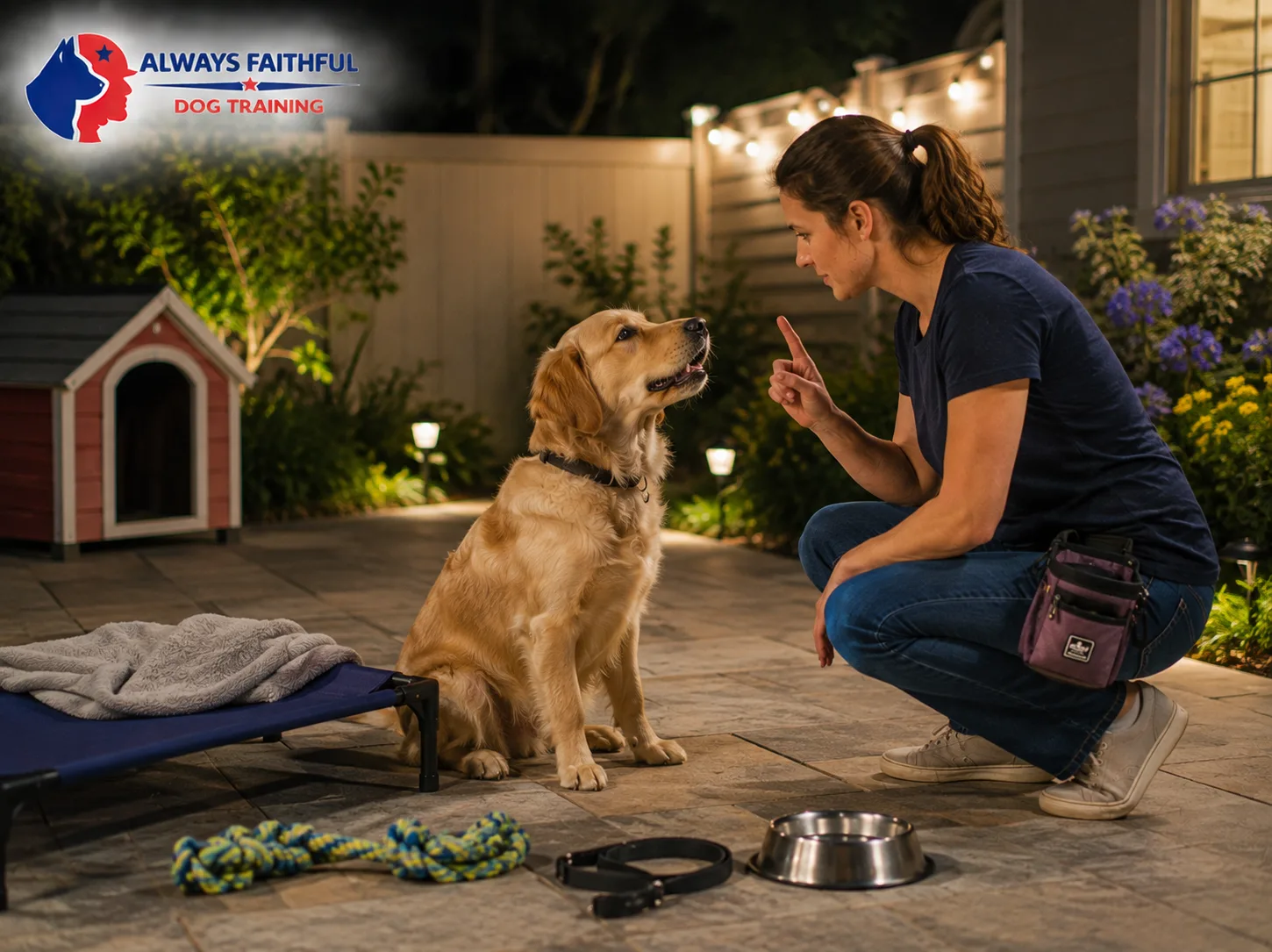
Play is an important part of a dog's life. It provides physical activity, encourages interaction, and can strengthen the relationship between a dog and its family. However, some dogs have difficulty shifting from high-energy play into a calmer state. They may continue jumping, grabbing toys, racing around the house, or demanding attention long after the activity has ended. A professional Dog Trainer can help owners teach dogs that play has a beginning, an active period, and an appropriate ending. For people searching for Dog training Near me, learning how to create this transition can be a useful part of building balanced everyday behavior.
Why Ending Play Can Be Difficult
During exciting activities, a dog's energy level can rise quickly. Chasing a toy, running through the yard, playing tug, or interacting with another dog can create a strong state of excitement.
When the activity suddenly stops, the dog may not automatically know what should happen next. From the dog's perspective, the game was rewarding, so continuing to seek movement or interaction may seem perfectly reasonable.
This is why simply putting a toy away does not always teach a dog how to settle. The dog may need to learn an entirely different behavior for the period that follows play.
The Difference Between Stopping Play and Teaching Calmness
There is an important distinction between ending an activity and teaching a dog how to become calm afterward.
An owner can stop throwing a ball, but the dog may still run around waiting for the next throw. Similarly, a tug game can end while the dog continues jumping or bringing the toy back repeatedly.
Effective Dog Trainer guidance can focus on the transition itself. Instead of viewing calmness as something that should happen automatically, owners can teach the dog what the post-play routine looks like.
This creates a clearer sequence that the dog can eventually recognize.
Establishing a Clear End to the Activity
Dogs often benefit from consistent signals. A particular verbal cue, change in body movement, or removal of the toy can become part of an established ending routine.
The exact signal matters less than consistency. If play sometimes ends abruptly and other times continues whenever the dog demands it, the dog may have difficulty understanding the boundary.
A structured ending can involve putting away the toy, changing the handler's posture, and shifting into a quieter activity. Over repeated experiences, the dog can begin to recognize that the energetic portion of the interaction has finished.
Helping Dogs Transition Through a Lower-Energy Activity
A sudden change from intense movement to complete inactivity can be difficult for some dogs. A gradual transition may be easier.
For example, after active play, the owner might move into a short period of calm walking, simple positioning work, or quiet interaction. The dog receives a clear change in pace without being expected to instantly switch from maximum excitement to complete stillness.
This approach can be especially useful for dogs that become overstimulated during games.
When owners research Dog training Near me, they may want to consider whether the training approach addresses these everyday transitions rather than focusing exclusively on isolated obedience exercises.
Recognizing When a Dog Is Becoming Overexcited
Successful play management begins with recognizing the dog's changing energy level.
Some signs may include faster movement, repeated jumping, intense toy grabbing, difficulty releasing an object, excessive vocalization, or an inability to respond to familiar communication.
The specific signs differ between dogs. Owners who learn to recognize changes early can adjust the activity before excitement becomes difficult to manage.
A Dog Trainer can help owners observe these patterns and identify appropriate points for changing the pace of an activity.
Teaching That Toys Have Different Purposes
Not every toy interaction needs to remain active. A dog can learn that some toys are used for structured games while others may be available for independent activity.
This distinction can make the household routine more understandable. A dog may learn that a particular interaction with its owner involves active play, while another period involves quietly carrying or chewing an appropriate toy.
Clear boundaries around toys can reduce the expectation that every toy automatically means another exciting game is about to begin.
Using the Home Environment to Support Calm Behavior
The physical environment can influence how easily a dog settles. If an exciting game always ends in the same open space where the dog continues running, the transition may take longer.
Moving into a quieter area can help communicate that the type of activity has changed.
A designated resting location can also become part of the post-play routine. The purpose is not to isolate the dog as punishment but to provide a predictable place associated with lower-energy behavior.
The Owner's Behavior Sends Information Too
Dogs pay attention to human movement and emotional intensity. If the owner continues waving the toy, speaking excitedly, or making quick movements after announcing that play is finished, the dog may receive mixed signals.
A calm change in the owner's behavior can help reinforce the transition.
A professional Dog Trainer may therefore work with the owner as much as with the dog. Improving timing, movement, and consistency can make communication easier for the animal to understand.
Avoiding Accidental Reinforcement
Dogs quickly learn which behaviors produce attention. If a dog jumps, barks, or pushes a toy toward the owner and the game immediately starts again, the dog may learn that these behaviors are effective ways to restart play.
This does not mean owners should ignore every interaction. Instead, they can create a clearer distinction between appropriate ways to begin an activity and behaviors that do not restart it.
When the dog learns that calm behavior can lead to appropriate interaction, the household routine becomes more predictable.
Applying the Same Idea Outside Play
The ability to transition from excitement to calmness is useful beyond games.
A dog may become excited before going outside, when visitors arrive, during training sessions, or when another animal appears nearby. Learning how to shift energy levels can therefore support many other situations.
The goal is not to suppress enthusiasm. Dogs should still be able to enjoy activities. The useful skill is learning that excitement has limits and that another type of behavior follows when the activity ends.
Making Post-Play Routines Consistent
Consistency can make learning easier. If the same general sequence happens after most play sessions, the dog has more opportunities to recognize the pattern.
A routine might involve:
- Ending the active game.
- Putting the toy away.
- Changing to calmer movement.
- Giving the dog time to settle.
- Transitioning into the next household activity.
The exact sequence can vary according to the dog's needs and the family's routine. What matters is that the dog receives understandable information about what happens after play.
When Professional Training May Be Useful
Some dogs continue struggling with transitions despite reasonable efforts from their owners. They may become excessively demanding, destructive, vocal, or physically difficult to manage after exciting activities.
In these situations, individualized guidance can help identify what is maintaining the behavior and how the routine can be changed.
For people looking for Dog training Near me, professional support may be particularly useful when the owner wants practical instruction that can be applied during normal household activities rather than only during formal training exercises.
Building a Better Rhythm Between Activity and Rest
A balanced routine gives dogs opportunities for both activity and recovery. Play can be energetic and engaging without becoming the only source of stimulation throughout the day.
Teaching a dog to recognize the difference between active time and quiet time can create a more predictable rhythm. Over time, the dog can become familiar with the idea that an exciting activity eventually comes to an end and another part of the day begins.
A skilled Dog Trainer can help owners develop this understanding through structured exercises, clear communication, and consistent routines. For anyone researching Dog training Near me, focusing on the transition between excitement and calmness can provide practical skills that apply far beyond a simple game of fetch. The objective is not to reduce a dog's enjoyment of play, but to teach the dog that knowing when to stop is also an important part of learning how to live successfully within a household.