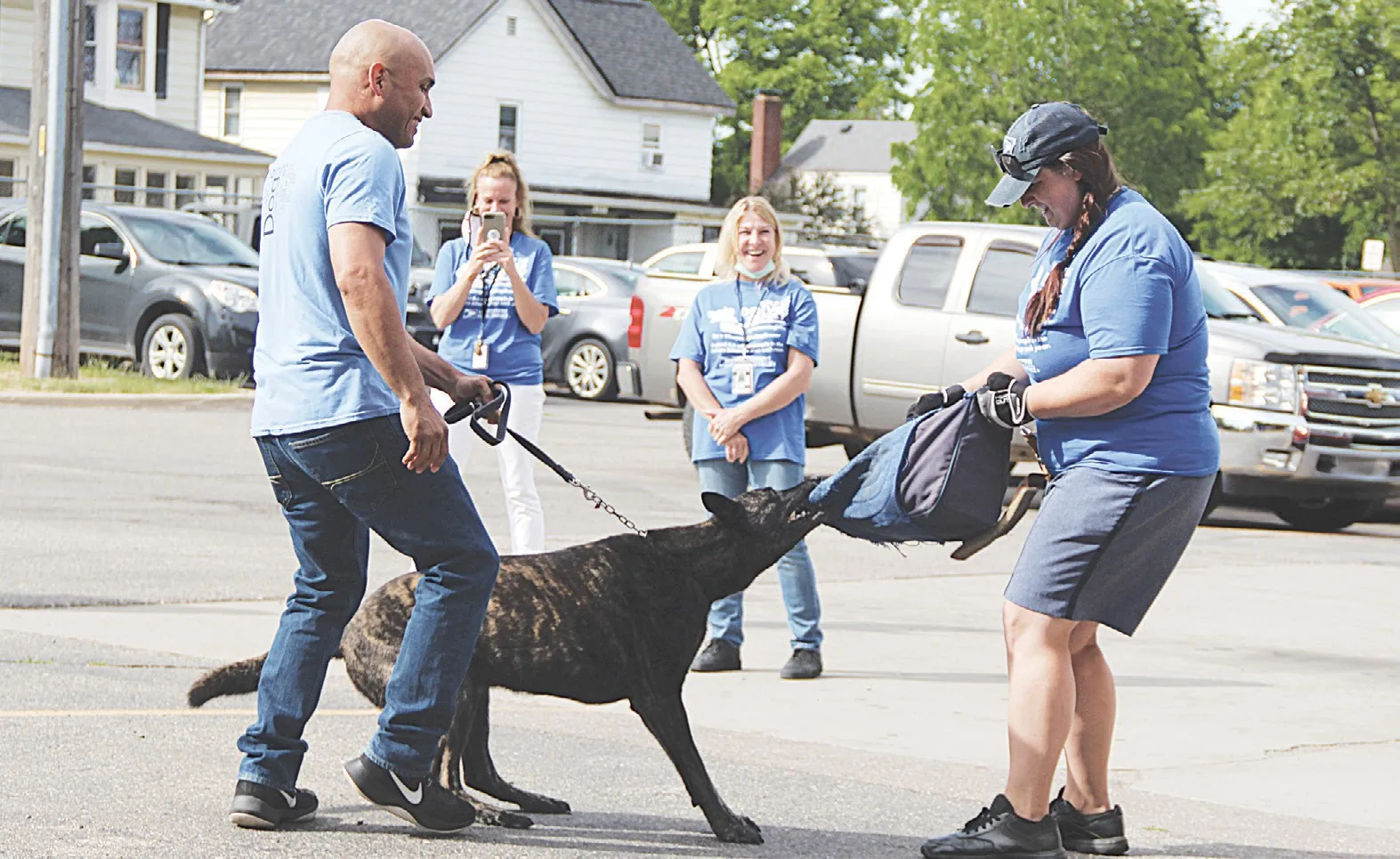
Dog bites are a serious workplace hazard for employees who regularly visit homes, businesses, construction sites, farms, and public spaces. Delivery drivers, postal workers, utility technicians, healthcare professionals, inspectors, and field service employees often encounter unfamiliar dogs while performing their daily duties. Although many dogs are friendly, any dog may bite if it feels frightened, threatened, or protective of its territory. This is why dog bite prevention training is an essential component of workplace safety.
Proper training equips employees with the knowledge to recognize canine behavior, avoid dangerous situations, and respond appropriately during unexpected encounters. Rather than reacting in panic, trained workers are better prepared to protect themselves while reducing the likelihood of injury.
Why Dog Bite Prevention Training Matters
Dog bites can result in puncture wounds, fractures, infections, emotional trauma, and lost work time. Beyond the physical injuries, organizations may face workers' compensation claims, increased insurance costs, legal disputes, and operational disruptions.
Implementing dog bite prevention training helps businesses reduce these risks by educating employees about safe work practices. A well-trained workforce is more confident, better prepared, and less likely to make decisions that unintentionally provoke a dog.
Training also demonstrates an employer's commitment to maintaining a safe work environment and meeting workplace safety responsibilities.
Understanding Why Dogs Bite
One of the first topics covered in professional training is canine behavior. Dogs rarely bite without a reason. In most cases, aggressive behavior develops because the animal feels threatened, fearful, stressed, or protective.
Common reasons dogs become aggressive include:
- Protecting their home or owner
- Fear of unfamiliar people
- Guarding food, toys, or puppies
- Pain or illness
- Lack of socialization
- Sudden movements or loud noises
- Feeling trapped or cornered
Understanding these triggers allows employees to recognize potential hazards before approaching a property or interacting with a dog.
Learning to Recognize Warning Signs
Dogs communicate through body language long before they bite. Recognizing these warning signals is one of the most valuable skills employees gain during dog bite prevention training.
Common warning signs include:
- Growling or snarling
- Showing teeth
- Raised fur along the back
- Stiff body posture
- Direct staring
- Aggressive barking
- Lunging or snapping
- Tail held rigid
While these signals often indicate discomfort or fear, not every dog displays obvious warnings. Therefore, employees should remain cautious around unfamiliar animals regardless of their appearance.
Safe Practices Before Approaching a Property
Prevention begins before stepping out of a vehicle. Employees should be trained to assess each location before approaching a home or business.
Important safety practices include:
- Looking for "Beware of Dog" signs
- Listening for barking
- Checking gates and fences
- Watching for loose animals
- Identifying escape routes
- Reviewing customer or worksite instructions
Taking a few moments to evaluate the surroundings can significantly reduce the risk of an unexpected encounter.
How to Respond During a Dog Encounter
Even with proper planning, employees may still encounter loose or aggressive dogs. Professional training teaches workers how to remain calm and avoid actions that may escalate the situation.
Recommended responses include:
- Stop moving if a dog approaches aggressively.
- Avoid running away.
- Stand sideways rather than facing the dog directly.
- Speak in a calm voice.
- Avoid direct eye contact.
- Slowly back away when it is safe.
- Use equipment or a bag as a protective barrier if necessary.
These techniques help reduce the dog's excitement while allowing employees to leave the area safely.
Emergency Response After a Dog Bite
Every workplace should have clear procedures for responding to dog bite incidents. Employees should know exactly what to do if an attack occurs.
Emergency response steps include:
- Move to a safe location immediately.
- Wash the wound with clean water if possible.
- Seek prompt medical attention.
- Notify a supervisor.
- Document the incident.
- Report the bite according to company policy.
Quick reporting allows employers to investigate the incident and implement measures to prevent similar events in the future.
Employer Responsibilities
Employers play an essential role in protecting workers from animal-related hazards. A comprehensive dog bite prevention training program should be part of every organization's overall health and safety strategy.
Effective programs include:
- Canine behavior education
- Hazard recognition training
- Incident reporting procedures
- Emergency response planning
- Regular refresher training
- Risk assessments for field employees
Managers should also encourage employees to report hazardous locations without fear of disciplinary action.
Benefits of Ongoing Training
Dog bite prevention should not be treated as a one-time lesson. Regular refresher courses help employees retain important information and stay informed about updated safety procedures.
Organizations that invest in continuous education often experience:
- Fewer workplace injuries
- Improved employee confidence
- Better hazard awareness
- Reduced insurance claims
- Stronger safety culture
- Greater operational efficiency
Consistent training reinforces safe behaviors and helps create long-term improvements in workplace safety.
Professional Dog Bite Prevention Training
Businesses with employees who frequently work around dogs can benefit from professional safety consultation and specialized training. Experienced canine behavior experts provide practical instruction based on real-world situations, helping organizations develop effective workplace safety programs.
Bulli Ray provides professional dog bite prevention training, canine behavior education, dangerous dog assessments, workplace safety consultation, and expert witness services. Their evidence-based approach helps employers reduce workplace risks while preparing employees to respond safely during dog encounters.
Conclusion
Dog bite prevention training is an essential investment for organizations whose employees work in environments where dog encounters are common. By understanding canine behavior, recognizing warning signs, following safe work practices, and responding appropriately during emergencies, employees can significantly reduce their risk of injury. Combined with strong employer support and ongoing education, effective training creates safer workplaces, protects employees, and promotes responsible interactions with dogs in the field.