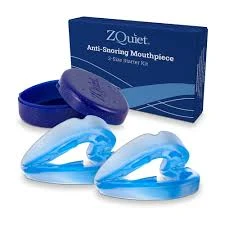
Snoring is more than just a nighttime nuisance — it can interfere with sleep quality, strain relationships, and signal more serious health issues like sleep apnea. Many anti-snoring devices promise relief, but few have gained as much attention as ZQuiet. Designed to gently reposition the lower jaw, ZQuiet is a mandibular advancement device (MAD) that aims to keep airways open during sleep. But does ZQuiet work? Let’s explore its effectiveness, how it functions, and what real users are saying.
What Is ZQuiet and How Does It Work?
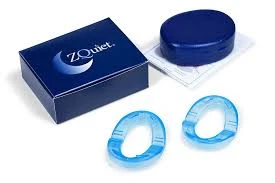
ZQuiet is an FDA-cleared anti-snoring mouthpiece made from soft, medical-grade plastic. Unlike bulky or complicated devices, it’s designed for simplicity and comfort. The device works by slightly advancing the lower jaw (mandible) during sleep. This forward positioning helps prevent the tongue and soft tissues at the back of the throat from collapsing and obstructing the airway — one of the most common causes of snoring.
ZQuiet uses a unique “Living Hinge” technology, which allows you to open and close your mouth naturally while wearing it. This flexibility sets it apart from other MADs that feel more rigid or restrictive.
The Science Behind Its Effectiveness
ZQuiet addresses one of the core mechanical causes of snoring: restricted airflow due to relaxed throat muscles and soft tissues. By shifting the jaw forward by a few millimeters, it enlarges the airway space and reduces vibrations that cause snoring. While this approach may not work for every type of snorer (such as those who snore due to nasal issues), it is effective for many who snore due to mouth or throat obstruction.
Clinical research supports the effectiveness of MADs like ZQuiet. Studies have shown that mandibular advancement can significantly reduce snoring frequency and volume, and in some cases, improve mild obstructive sleep apnea.
Who Should Use ZQuiet?
ZQuiet is best suited for:
- People who snore due to mouth breathing or soft tissue vibration in the throat
- Individuals with mild to moderate sleep apnea (after consulting a doctor)
- Snorers looking for a non-invasive, non-prescription solution
- Those who have not found success with nasal strips or chin straps
However, ZQuiet may not be ideal for people with dentures, severe sleep apnea, jaw joint issues (TMJ), or dental problems. It's important to consult a healthcare professional before starting any oral appliance, especially if you suspect sleep apnea.
What Do Real Users Say?
User reviews for ZQuiet are generally positive. Many users report noticeable improvements in their snoring within the first few nights of use. Some highlight increased energy levels and better sleep for both themselves and their partners.
Common praises include:
- Comfortable fit and ease of use
- Immediate reduction in snoring
- Easy cleaning and maintenance
However, a few users mention initial discomfort, drooling, or jaw soreness — typical side effects that often diminish with regular use. The company includes two different size options in the starter kit to help users find their best fit, which improves comfort and effectiveness.
Pros and Cons of ZQuiet
Pros:
- FDA-cleared and dentist-designed
- Flexible “Living Hinge” for comfort
- No prescription needed
- Comes with two sizes for fit customization
- Risk-free trial available
Cons:
- May not be suitable for users with certain dental or jaw conditions
- Initial soreness or drooling possible
- Needs regular cleaning and replacement every few months
Final Verdict: Does ZQuiet Work?
Yes, ZQuiet does work — for many people. It provides a practical, non-invasive solution to snoring by directly targeting a primary cause: airway obstruction from jaw and tongue positioning. While not a miracle cure or suitable for everyone, it has helped thousands reduce or eliminate snoring, improve sleep quality, and restore peace in shared bedrooms.
Its user-friendly design, positive reviews, and money-back guarantee make it a worthwhile option for snorers looking to try an affordable and effective alternative before turning to more drastic treatments like CPAP machines or surgery.