
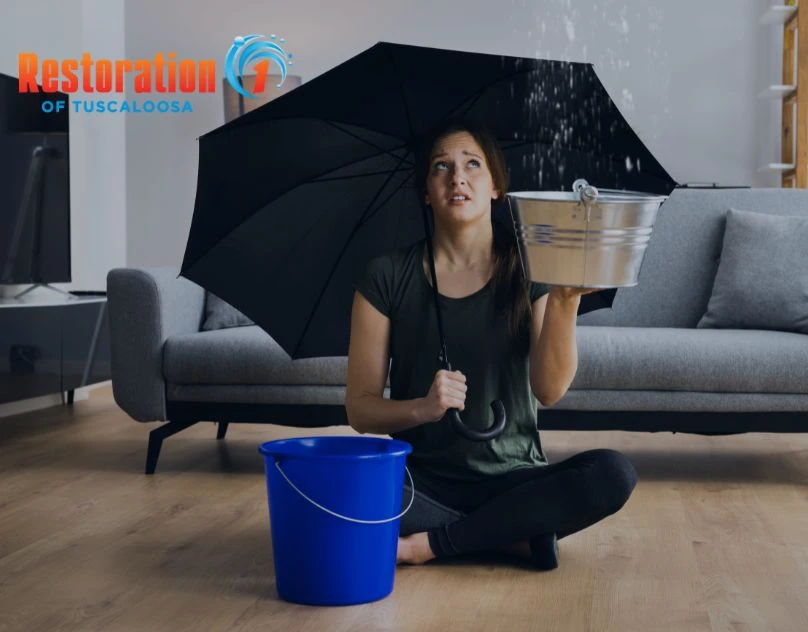
Water damage has the potential to devastate your business or home, providing the ideal environment for mold. Mold grows extremely quickly in wet environments, causing health issues and damage to structures. Professional water damage restoration addresses this problem by completely drying out areas that have been affected, avoiding the development of mold.
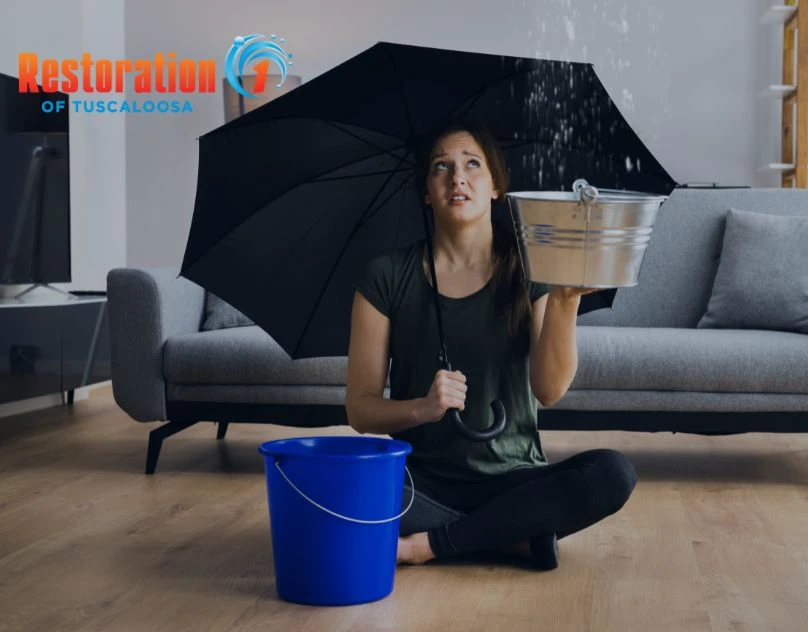
The length of the restoration process varies with the extent of the damage. Small-scale cases can take only a few days, but more extensive restoration work—particularly those involving extensive drying, repairs, and mold prevention—may last up to a week. The process generally includes water removal, evaporation, sanitizing, and structural rehabilitation. If mold remediation is involved, the process may take longer because of the careful and detailed work involved.
Can Water Damage Restoration Totally Eliminate Mold?
Although restoration can greatly minimize mold, completely eliminating it is not always possible particularly if it has invaded deeply into porous materials such as drywall, wood, or insulation.
This is how professionals handle mold following water damage:
- Inspection: Experts evaluate the degree of water intrusion and mold to decide on the most effective course of action.
- Containment: Barriers and air filtration equipment keep mold spores from spreading to clean areas.
- Removal: Severely infested materials—like carpets, drywall, or insulation—can be disposed of to avoid future infestations.
- Deep Cleaning: Industrial cleaning solutions and HEPA vacuums are employed to eliminate spores and disinfect surfaces.
- Thorough Drying: Because moisture is mold's best friend, professionals dry all affected areas thoroughly to avoid regrowth.
Even with these measures, residual mold spores can still exist in heavily impacted materials. Periodic checks after restoration are necessary to prevent mold from coming back.
How Do You Prevent Mold and Water Damage?
Preventive measures are the best way to safeguard your property against mold and water damage. Take these vital steps:
1. Control Moisture
Fix any leaks in your roof, plumbing, or appliances immediately.
Use water-resistant materials in areas prone to moisture such as basements, bathrooms, and decks.
Make sure windows, doors, and floors are well sealed to keep water out.
2. Provide Adequate Ventilation
Use exhaust fans in kitchen areas, bathrooms, and other areas prone to high humidity.
Periodically open windows or use a dehumidifier to ensure that humidity is controlled.
Do not carpet moisture-prone zones such as basements and bathrooms.
3. Regular Checkups
Inspect plumbing systems, water heaters, and appliances for leaks on a regular basis.
Watch for water stains, damp areas, or mold on walls, ceilings, and floors.
Check humidity levels to keep them below 50% to prevent mold growth.
How to Shield Your Home from Expensive Water Damage
Protecting your home from water damage is easier than you think. Some preventive steps can save you from costly repairs in the future:
- Stay Ahead of Leaks: Inspect plumbing, roofs, and appliances on a regular basis to catch leaks early.
- Drain Correctly: Clean gutters regularly and make sure water drains away from your foundation.
- Use Water-Proof Barriers: Seal basement walls with sealants and choose water-resistant products in kitchen, bathroom, and laundry areas.
- Invest in Prevention Devices: Leak detectors, sump pumps, and moisture sensors can give you an early warning before damage happens.
- Winterize Pipes: Wrap pipes in insulation to avoid freezing and bursting when it is cold outside.
- Ensure Proper Rainwater Management: Inspect your drainage system to make sure water is properly diverted away from your house.
- Consider Insurance Coverage: Having a good water damage insurance policy can help cover unexpected damage financially.
Conclusion:
Water damage and mold growth prevention begins with regular maintenance and prompt repairs. Fixing small problems before they become big ones can save you time, money, and aggravation. Maintain your home's moisture levels, check for leaks regularly, and arm yourself with prevention tools such as sump pumps and leak detectors.
By being alert, you can guard your house against expensive damage and have a mold-free, safe home for the future.