Poor insulation is a major factor behind uneven temperatures in kitchens. When walls, ceilings, or floors lack proper thermal barriers, heat escapes during winter and enters excessively in summer. This leads to cold spots near windows, warm zones near appliances, and drafts that make the kitchen uncomfortable. Skilled insulation experts ensure consistent coverage to stabilize temperature and reduce energy waste.
Uneven temperatures also affect cooking efficiency and food storage, especially near cabinets and refrigerators. Properly installed insulation services prevent hotspots and cold patches, creating a more consistent and pleasant environment for daily kitchen use.
This article explores how poor insulation impacts indoor comfort, techniques used by professionals to correct it, and factors homeowners should consider when improving kitchen thermal performance.
How Poor Insulation Affects Kitchen Comfort
Kitchens experience unique thermal challenges due to heat from cooking appliances, frequent ventilation, and varying airflow. Insufficient insulation services can worsen these fluctuations.
Temperature Variations Across Surfaces
Cold air can enter through uninsulated walls, floors, or ceilings, while heat escapes through thin barriers. This leads to areas that feel too cold in winter or too warm in summer, especially near exterior walls or poorly insulated windows.
Tiny Details Matter
Even small gaps in insulation around plumbing, vents, or electrical wiring create temperature inconsistencies. Professionals identify and seal these areas to restore uniform comfort.
Moisture and Drafts
Poor insulation allows drafts and humidity to penetrate, which can make certain spots feel colder. Damp areas also encourage mold, which affects air quality and long-term structural health.
Bonus Tip
Adding insulation around kitchen hoods and vent ducts reduces heat loss and prevents cold drafts during cooking.
Techniques Experts Use to Improve Temperature Consistency
Proper installation methods by insulation experts are crucial to eliminating uneven temperatures in kitchens. Techniques focus on sealing, layering, and targeted coverage.
Sealing Gaps and Cracks
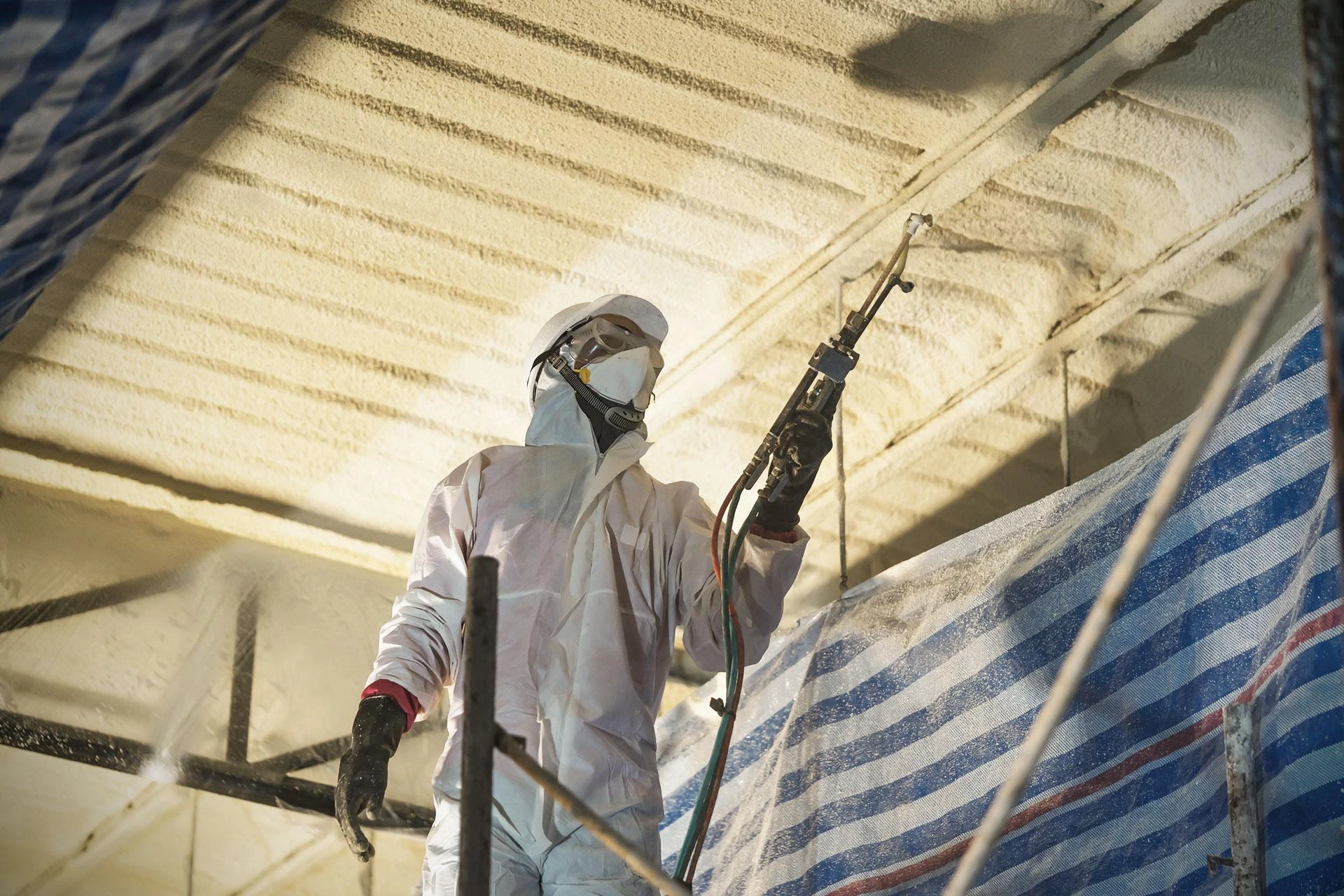
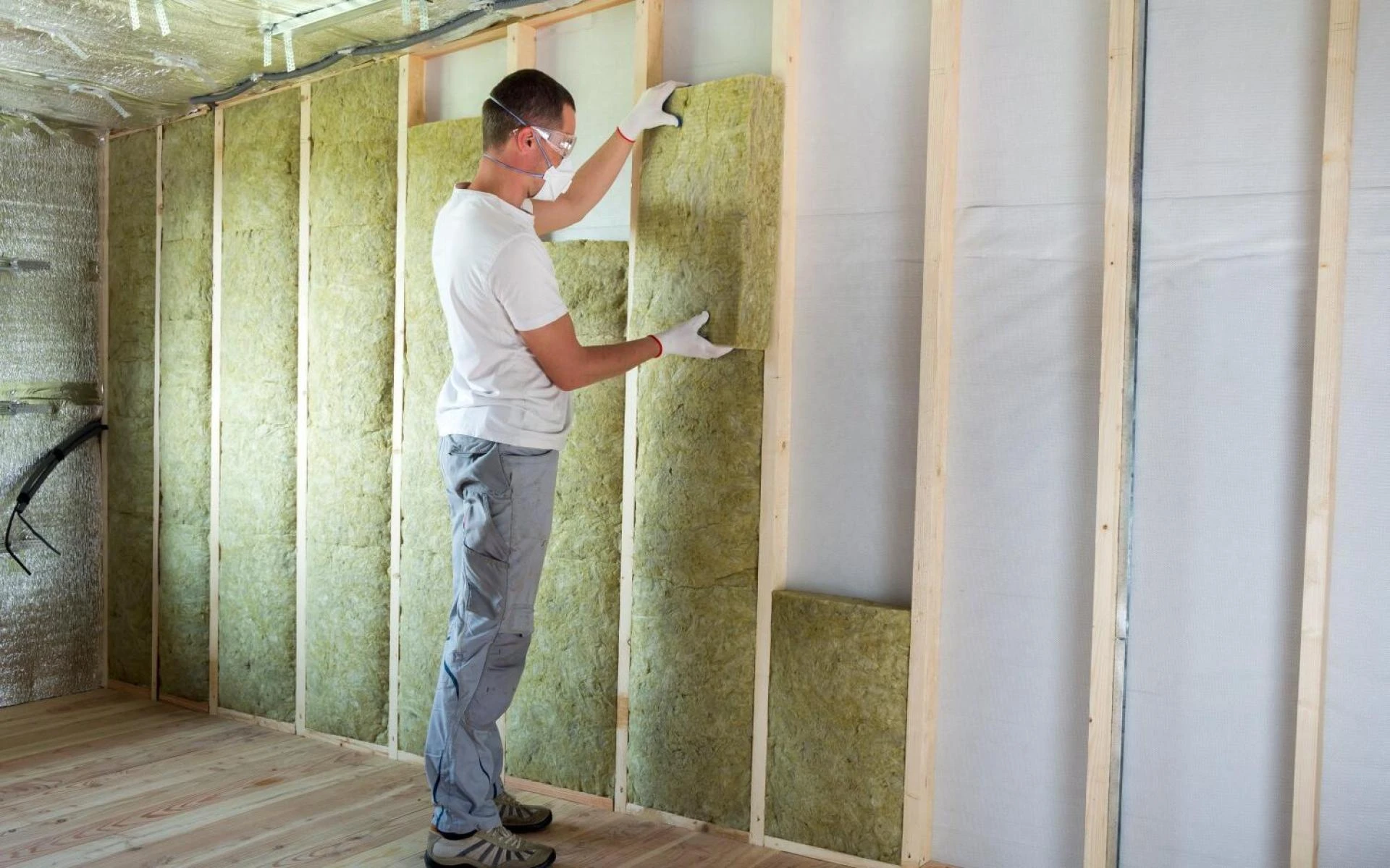
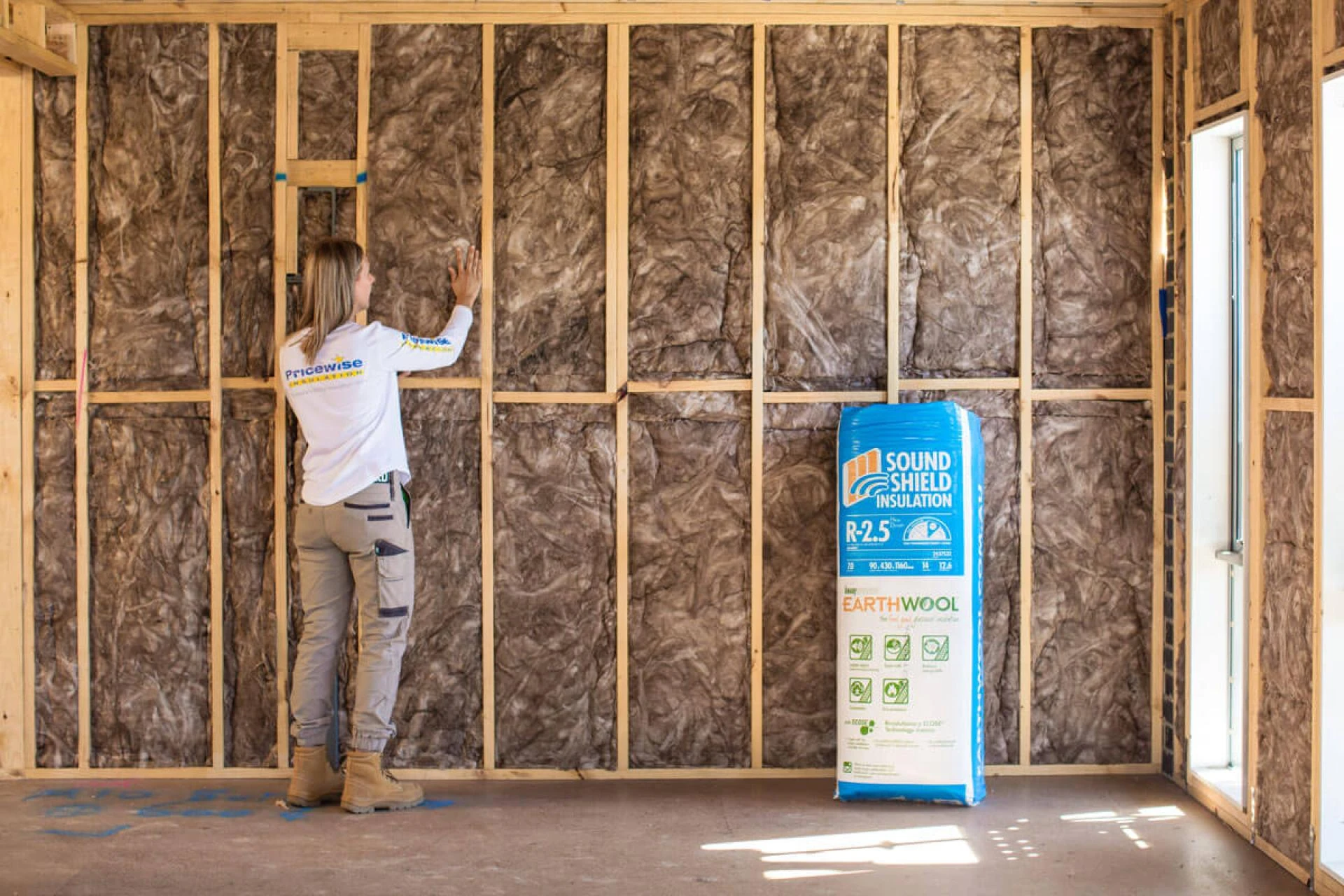
Experts inspect all joints, corners, and wall penetrations. They apply foam or batt insulation to prevent air leaks that cause temperature swings.
Layering for Efficiency
Applying insulation in controlled layers ensures consistent density and thickness. This method reduces thermal bridges and uneven surfaces that lead to hot or cold spots.
Material Selection
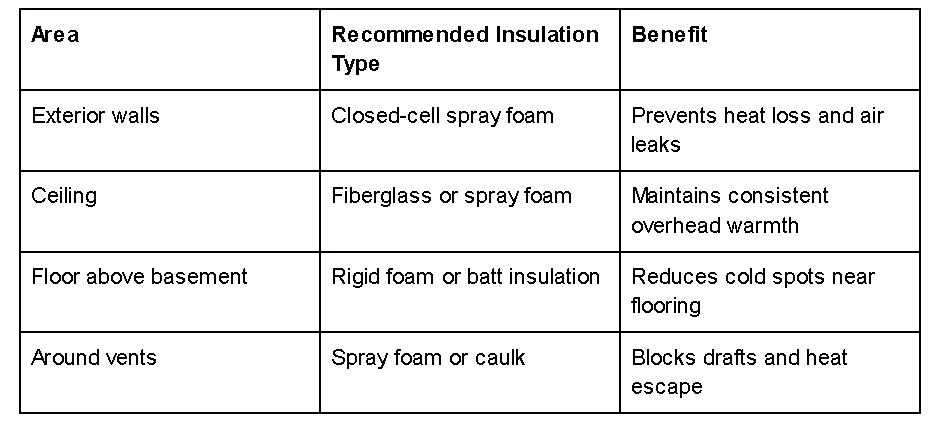
Different insulation types are suited to various areas of the kitchen:
Regional and Climate Considerations
In areas like Fresno, where summer heat is high and winters are mild, kitchens often require roof and wall insulation to limit heat gain. Coastal regions may need moisture-resistant materials, while colder zones require thicker insulation to prevent drafts.
- Southern climates prioritize keeping heat out.
- Northern climates focus on retaining warmth.
- Humid regions require vapor barriers to avoid dampness.
Applying techniques suited to the region ensures kitchens maintain consistent comfort year-round.
Things to Consider Before Making a Decision
Before hiring insulation contractor, homeowners should review several factors:
- Insulation type: Choose between open-cell or closed-cell foam based on moisture resistance and thermal performance.
- Kitchen layout: Irregular walls or ceilings may require customized installation.
- Energy efficiency goals: Thicker, well-sealed insulation lowers energy bills.
- Appliance placement: Heat-producing appliances can affect local temperatures.
- Long-term maintenance: Quality installation minimizes the need for future adjustments.
Bonus Tip
Ask the insulation services provider to check airflow patterns in the kitchen. This helps address cold corners or drafty spots before installation.
Questions People Ask About Kitchen Insulation
Can poor insulation really affect cooking comfort?
Yes. Uneven temperatures make kitchens less comfortable and can influence appliance efficiency, especially ovens and refrigerators.
How do I know if my kitchen insulation is inadequate?
Cold spots near walls, drafts around cabinets, or fluctuating indoor temperatures indicate insufficient insulation.
Does insulation help with energy costs in the kitchen?
Proper insulation reduces heat loss and gain, lowering reliance on HVAC systems and cutting energy bills.
Are some insulation types better for kitchens?
Closed-cell spray foam is ideal for moisture control and air sealing, while fiberglass or rigid foam works well for walls and ceilings.
How long does insulation last in a kitchen?
With proper installation, insulation can last 20–30 years. Moisture-resistant materials extend longevity, especially near sinks or vented areas.
Evaluating Kitchen Temperature Issues
Poor insulation is a key contributor to uneven temperatures in kitchens. Skilled insulation contractor correct gaps, improve coverage, and select suitable materials. Effective insulation stabilizes temperature, reduces drafts, controls moisture, and improves overall comfort for cooking and dining.
Next Steps for Homeowners
Homeowners seeking better temperature consistency can contact Supreme Spray Foam – Fresno for professional insulation services. Their team evaluates kitchen layouts, recommends suitable insulation types, and ensures thorough installation. Reach them at [email protected] or (559) 545-0800 for guidance tailored to your home’s needs.
Reviewer: Emma Robinson contributed her knowledge from 8 years of working in the spray foam industry. Her review helped shape this content, grounded in what contractors and homeowners actually value.