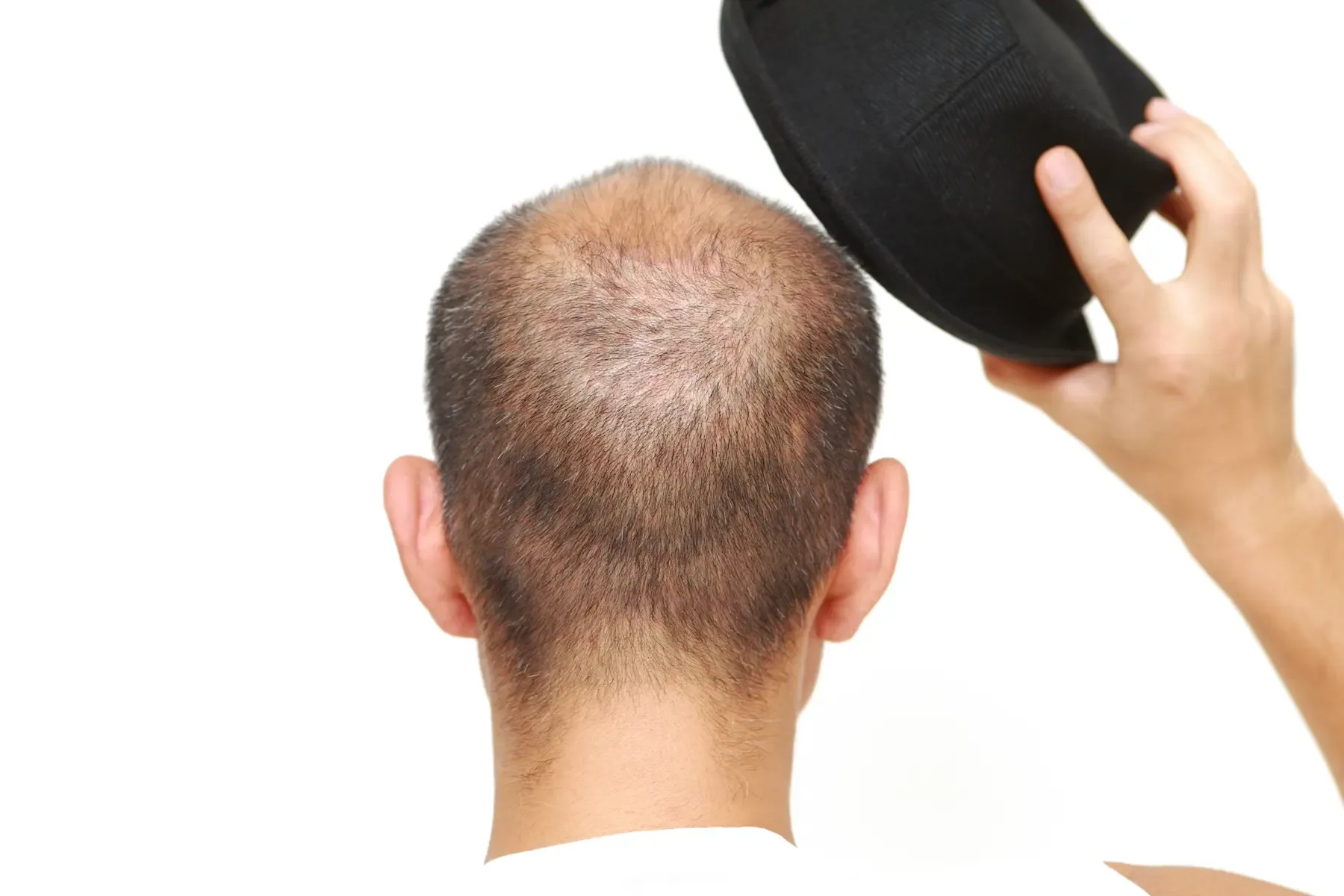
Caps are a practical part of everyday life. People wear them while commuting, playing sports, travelling, working outdoors, or simply completing a casual outfit. Yet, a surprisingly common concern sits underneath this simple habit: can covering your head regularly affect hair growth? Search queries about caps and hair loss often come from people who notice extra shedding and wonder whether their favourite cap is responsible.
The short answer is that wearing a cap does not automatically cause hair loss. Hair loss has many possible causes, including genetics, hormonal changes, medical conditions, nutritional deficiencies, stress, and certain medications. However, the way a cap is worn can matter. Very tight headwear, repeated friction, trapped heat, or hairstyles that pull the hair underneath a cap may contribute to scalp discomfort or hair damage. Understanding that distinction can help you enjoy headwear without unnecessarily worrying about your hair.
Does Wearing a Cap Cause Hair Loss?
One of the most searched questions is, does wearing a cap cause hair loss? Current medical guidance does not support the idea that ordinary cap use directly causes common forms of baldness. Cleveland Clinic notes that research on hats and hair loss is limited, while hereditary and other biological factors are much more established causes of thinning.
A comfortable cap that fits properly generally does not damage the hair follicles simply because it covers the scalp. Male or female pattern hair loss, for example, is primarily associated with genetics, hormones, and age rather than everyday cap use. Therefore, blaming a cap for progressive thinning can sometimes distract from the real reason hair is changing.
That said, headwear is not completely irrelevant. A cap that is excessively tight can create pressure, rubbing, or tension. If a person also ties their hair tightly before putting on the cap, the combined stress may increase the risk of traction-related hair loss. The issue is therefore less about the existence of the cap and more about fit, friction, tension, hygiene, and individual scalp sensitivity.
When Can a Cap Become a Hair Concern?
The first warning sign is discomfort. If a cap leaves deep marks, causes headaches, makes the scalp feel persistently itchy, or repeatedly rubs the same area, it may be too tight or poorly fitted. Wearing it for long periods under those conditions is not ideal.
Another factor is tension. A cap itself may not pull the roots, but a tight ponytail, bun, braid, or other hairstyle underneath it can. Repeated tension can contribute to traction alopecia, a type of hair loss associated with prolonged pulling on hair follicles. The American Academy of Dermatology specifically warns that hairstyles and head coverings that repeatedly pull or rub against the hair can contribute to this problem.
Sweat and moisture also deserve attention. A cap worn during exercise or in hot weather can become damp with perspiration. This does not mean sweat itself makes follicles stop growing, but leaving a dirty, damp cap against the scalp can be uncomfortable and may contribute to irritation. Regularly cleaning washable caps and allowing them to dry completely is a sensible part of scalp hygiene.
Is Cap Good for Hair?
The question is cap good for hair? has a more nuanced answer than simply yes or no. A cap is not a hair-growth treatment, but it can provide useful protection in certain situations.
Sun exposure can affect the hair shaft, making hair drier, weaker, and more prone to brittleness over time. A suitable hat or cap can physically shield the scalp and hair from direct sunlight. This can be particularly useful for people with thinning hair, whose exposed scalp may also be more vulnerable to sunburn.
A cap can also help reduce direct exposure to dust and environmental debris when travelling or spending time outdoors. However, protection works best when the cap itself is clean, breathable, and comfortable. Wearing the same unwashed cap repeatedly can defeat the purpose of good scalp care.
So, rather than asking whether a cap is universally good or bad for hair, consider how it is being used. A clean, well-fitting cap used appropriately can be a practical accessory. A tight, dirty cap worn continuously is a different situation.
How to Wear a Cap Without Damaging Your Hair
Choosing the right fit is the simplest place to start. The cap should sit securely without squeezing the scalp. You should be able to wear it without pain, excessive pressure, or persistent itching. Adjustable designs can be helpful because they allow you to avoid unnecessary tightness.
Pay attention to what happens underneath the cap, too. Avoid pulling your hair into an extremely tight style simply to make it fit neatly under the headwear. If you need to tie your hair back, choose a relaxed style that does not create constant tension around the hairline.
Keeping the cap clean is equally important. Sweat, oil, skin cells, and styling-product residue can accumulate on fabric over time. Follow the manufacturer's washing instructions and make sure the cap is completely dry before wearing it again. If you frequently exercise in a cap, rotating between clean caps can make regular washing easier.
It is also sensible to remove your cap when you no longer need it, especially indoors or after physical activity. Your scalp does not need to be covered continuously. Giving yourself comfortable breaks can reduce moisture buildup and friction.
Finally, do not ignore persistent scalp symptoms. Redness, scaling, pain, significant itching, or sudden changes in shedding deserve attention, particularly if they continue after you change your headwear habits.
Common Myths About Caps and Hair Loss
A popular myth says that caps “stop the scalp from breathing” and therefore suffocate hair follicles. Hair follicles do not depend on air entering through the scalp in the way this claim suggests. They receive oxygen and nutrients through the body's blood supply. A normal cap does not seal off the oxygen needed for hair growth.
Another misconception is that sweating while wearing a cap automatically causes baldness. Sweat is a normal bodily process and is not, by itself, a proven cause of pattern hair loss. The practical concern is scalp comfort and hygiene, particularly when sweat, oil, and product residue remain against the scalp for extended periods.
There is also a misconception that removing a cap will reverse any existing baldness. If hair loss is caused by genetics, hormones, an autoimmune condition, illness, or another underlying factor, simply stopping cap use will not address that cause. Hair loss should be evaluated according to its pattern, speed, symptoms, and possible triggers.
What If You Are Already Experiencing Hair Loss?
If you are noticing gradual thinning, a widening part, a receding hairline, bald patches, or substantially increased shedding, look beyond your cap. Hair loss can have many causes, and early assessment can be valuable because some conditions respond better when addressed promptly.
Start by reviewing recent changes in your routine. Consider stress, illness, major dietary changes, new medications, chemical treatments, and hairstyles that place repeated tension on the hair. If shedding is persistent or accompanied by scalp symptoms, consult a dermatologist rather than relying on assumptions about headwear.
Good everyday care still matters. Handle wet hair gently, avoid excessive heat and harsh styling, and choose hairstyles that do not repeatedly pull at the roots. A balanced diet that provides adequate protein and essential nutrients also supports overall hair health, although supplements should not be taken routinely without a reason or professional advice.
Choosing the Right Cap for Your Hair and Scalp
Not every cap has the same effect on comfort. Lightweight, breathable materials can feel more comfortable in warm conditions, while adjustable closures help create a secure but relaxed fit. Look for a design that stays in place without squeezing the scalp or leaving painful pressure marks.
Consider how the cap interacts with your hairstyle. Do not force a cap over a bulky style or repeatedly compress the hairline. Keeping enough room for the hair can reduce unnecessary friction and tension.
Quick Questions People Ask About Caps and Hair
Can wearing a cap make existing hair loss worse? It usually is not the main driver of common hair loss, but very tight headwear or repeated rubbing can contribute to tension or irritation.
Should you wear a cap after sweating? If the cap becomes heavily soaked, remove it when practical, allow your scalp to dry, and clean the cap according to care instructions.
Can a cap protect thinning hair? Yes. It can provide physical protection from sunlight, but it cannot treat the underlying cause of hair loss.
How often should a cap be washed? There is no universal schedule. A cap used for workouts or hot-weather travel generally needs more frequent cleaning than one worn occasionally.
The Bottom Line
Caps are not the villain they are often made out to be. For most people, wearing a comfortable, clean, properly fitted cap is unlikely to be the primary cause of hair loss. The bigger factors are genetics, hormones, health conditions, nutrition, stress, and damaging hair practices.
If you enjoy wearing caps, there is no need to abandon them simply because you are concerned about shedding. Choose breathable, comfortable headwear, avoid excessive tightness, keep your cap clean, and avoid hairstyles that pull your hair underneath it. Most importantly, pay attention to persistent or unusual hair loss instead of assuming the cap is responsible.
The goal is not to fear everyday accessories but to use them wisely. A cap can be part of a practical hair and scalp routine when comfort, cleanliness, sun protection, and gentle hair care remain the priorities.