
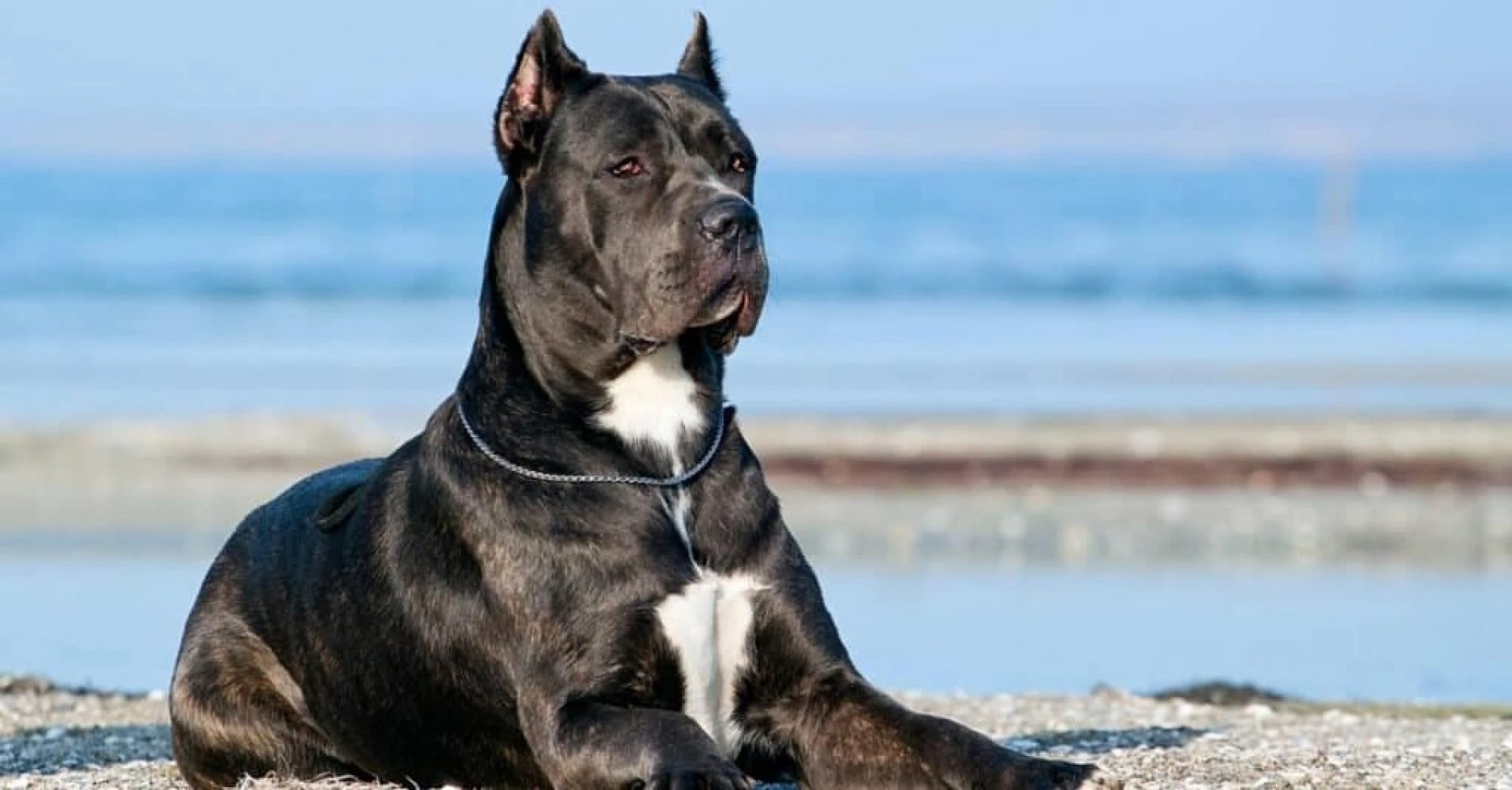
Cane Corso dogs have long been a subject of attention for owners and enthusiasts. Many people admire the breed’s strong and protective appearance, while others focus on the health and wellness needs that come with the practice of Cane Corso cropped ears. Cane Corso Dog, the focus remains on ensuring that these magnificent dogs are properly cared for, whether they have cropped or natural ears. Understanding the care requirements for a Cane Corso with cropped ears is essential for maintaining their health, comfort, and overall well-being.
Understanding Cane Corso Ear Cropping
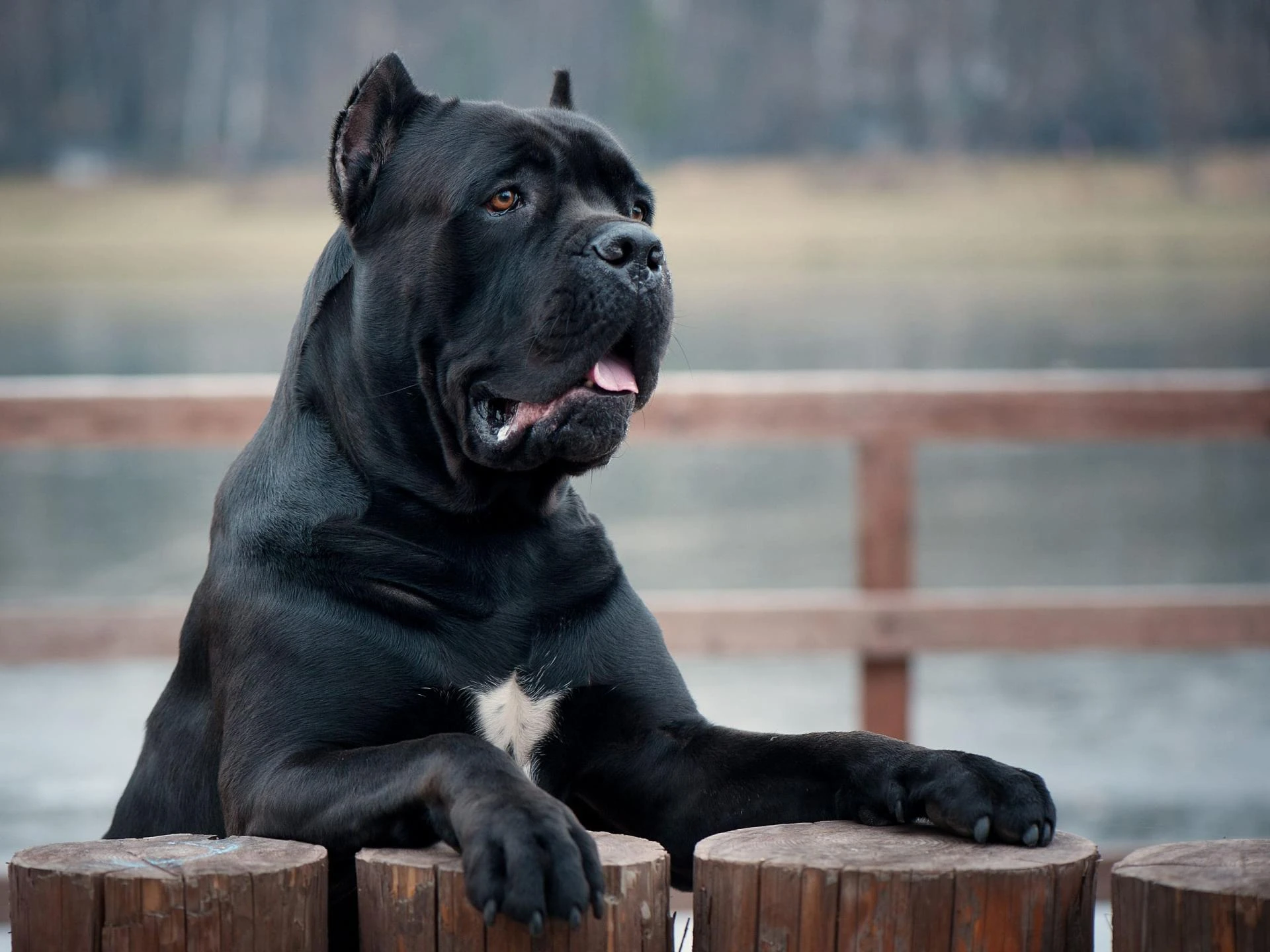
Ear cropping is a procedure where part of the ear flap is surgically removed to create a specific shape. Traditionally, this was done to prevent injuries during work, hunting, or guarding, as the Cane Corso has historically served as a protector and working dog. While cropping is now more cosmetic in many regions, it continues to be a common practice among Cane Corso owners.
It is important to note that ear cropping should always be performed by a licensed veterinarian with proper expertise. After the procedure, special aftercare is required to ensure proper healing and to prevent infections. Owners must commit to monitoring their dog closely during the recovery phase.
The Healing Process After Cropping
The immediate period following ear cropping is critical. The healing process generally takes several weeks, during which the dog’s ears need to be cleaned, monitored, and protected from trauma. Proper aftercare during this time sets the foundation for long-term ear health.
Some of the most important aspects of the healing process include:
- Regular cleaning with vet-recommended solutions.
- Monitoring for signs of infection such as swelling, redness, or foul odor.
- Protecting the ears from scratching or accidental injury.
- Following the veterinarian’s schedule for bandage changes or check-ups.
Consistency during the recovery phase greatly reduces the risk of complications and helps the ears form the intended shape.
Long-Term Care Needs
Even after the initial healing period, Cane Corso cropped ears may require ongoing attention. Unlike natural ears, which provide more coverage and protection, cropped ears are more exposed to environmental factors. This makes long-term care an important responsibility for owners.
Regular Cleaning
Cropped ears tend to accumulate less moisture and debris compared to natural ears, but they still need regular cleaning to prevent infections. Ear cleaning should be part of the dog’s grooming routine, ideally every couple of weeks, depending on the dog’s activity level.
Monitoring for Injuries
Because cropped ears are more open and upright, they can be more susceptible to scrapes or bumps during play. Owners should regularly check for small cuts, scabs, or irritation, especially if the dog is active outdoors.
Seasonal Considerations
Cropped ears may also be more sensitive to extreme weather. In colder months, exposure to freezing temperatures can lead to discomfort, while in summer months, direct sun exposure can increase the risk of sunburn. Applying protective measures, such as limiting outdoor time during harsh weather, helps maintain comfort.
Training and Behavioral Impact
Ear cropping does not directly affect the Cane Corso’s temperament, but it can influence the way people perceive the dog. Cropped ears give the breed a more alert and sometimes intimidating appearance. Owners should balance this with proper training and socialization to ensure the dog remains approachable and well-behaved.
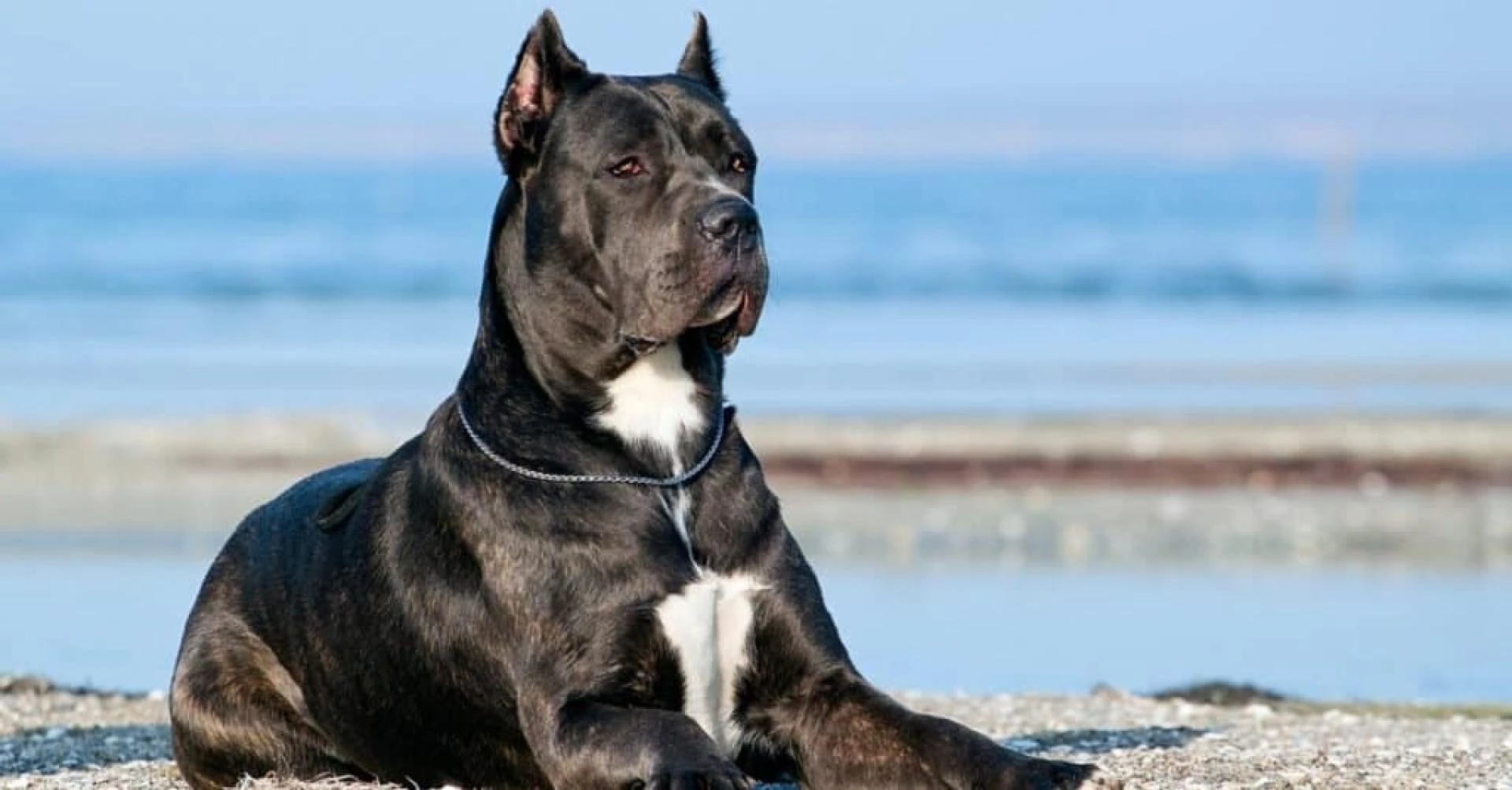
Positive reinforcement training and early socialization help reduce any negative stereotypes associated with cropped ears. A well-trained Cane Corso with cropped ears can be both a loyal protector and a gentle family companion.
Common Misconceptions About Cropped Ears
There are several myths surrounding Cane Corso cropped ears, many of which can confuse new owners. Addressing these misconceptions provides clarity:
- Cropped ears do not improve a dog’s hearing ability.
- Ear cropping does not reduce the risk of ear infections entirely; proper cleaning is still necessary.
- The procedure is not required for the dog’s health but is mainly a cosmetic or traditional choice.
- Dogs with cropped ears are not more aggressive; behavior depends on training and environment.
By understanding the reality behind these misconceptions, owners can make informed decisions about their Cane Corso’s care.
Health and Veterinary Support
Regular veterinary check-ups are vital for any Cane Corso, but especially for those with cropped ears. Routine examinations allow veterinarians to detect early signs of infection or irritation. Some vets may also recommend specific ear care products designed for dogs with cropped ears.
Owners should never use harsh or alcohol-based cleaners, as these can dry out the skin and cause discomfort. Instead, vet-approved ear care solutions provide gentle but effective cleaning.
Lifestyle Adjustments for Owners
Caring for a Cane Corso with cropped ears often means making small but important lifestyle adjustments. Owners who are consistent with grooming and attentive to health changes typically face fewer issues. Some adjustments include:
- Incorporating ear checks into the weekly grooming routine.
- Keeping the dog away from environments that increase ear injury risks.
- Learning how to properly clean and handle the ears without causing discomfort.
- Building a relationship with a trusted veterinarian familiar with Cane Corso needs.
These adjustments become second nature over time and greatly improve the dog’s comfort and well-being.
Conclusion
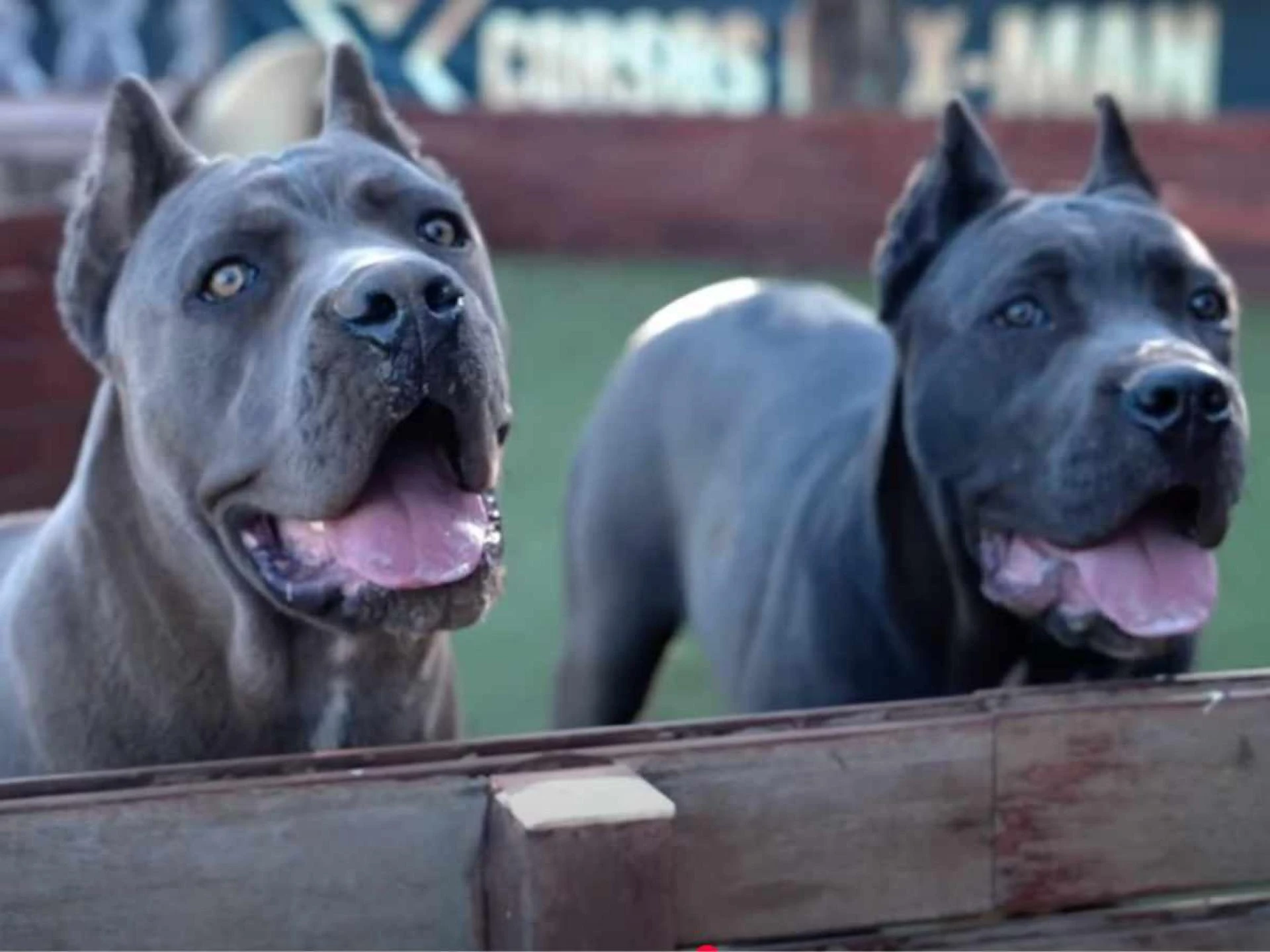
Cane Corso cropped ears do require special care, particularly during the healing process and throughout the dog’s life. While the procedure is largely cosmetic, the aftercare and ongoing attention are crucial for preventing infections, injuries, and discomfort. By committing to consistent cleaning, regular vet visits, and protective measures, owners ensure that their Cane Corso remains healthy and confident. With the right balance of care, training, and socialization, dogs with cropped ears thrive as loyal companions and guardians.
FAQs
Do Cane Corso cropped ears heal quickly?
Healing typically takes several weeks, depending on the dog’s age and health. Proper aftercare and veterinary guidance are essential to ensure smooth recovery.
Are cropped ears more prone to infections?
Cropped ears are generally less likely to trap moisture than natural ears, but they can still develop infections if not cleaned regularly.
Can I clean my Cane Corso’s ears at home?
Yes, owners can clean their dog’s ears at home using vet-approved solutions and soft materials. Regular cleaning helps maintain hygiene and comfort.
Do cropped ears affect the dog’s behavior?
No, cropping does not change a dog’s temperament. Training, socialization, and environment have a far greater influence on behavior.
Should I protect cropped ears during extreme weather?
Yes, cropped ears can be more sensitive to both cold and heat. Limiting exposure and providing protective care during harsh weather helps keep the dog comfortable.