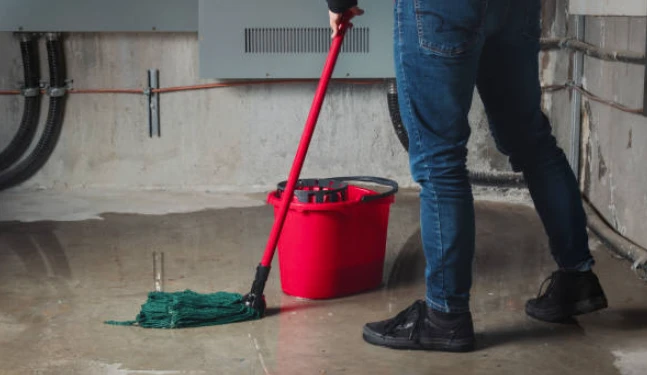
Water intrusion remains one of the most disruptive and financially consequential events a property owner can face. From minor plumbing leaks to large-scale flooding, water damage has the power to undermine structural integrity, compromise indoor air quality, and erode long-term property value. In recent years, an increasing number of homeowners have explored do-it-yourself solutions as a means of controlling costs and expediting recovery. While limited DIY water damage repair may be appropriate in narrowly defined situations, there are clear thresholds beyond which professional intervention becomes not only advisable but essential. Understanding where that boundary lies is critical for protecting both property and occupants, particularly in regions where climate, aging infrastructure, and seasonal storms elevate risk, such as those served by Water Damage Restoration Battle Creek, MI.
Understanding the Nature and Scope of Water Damage
Water damage is not a monolithic issue. It varies significantly in severity, source, and duration, all of which influence the appropriate response. Industry standards typically classify water damage into three categories. Clean water originates from sanitary sources such as supply lines or rainwater. Gray water may contain contaminants from appliances or drainage systems. Black water, the most dangerous category, includes sewage or floodwater carrying pathogens, chemicals, and debris.
DIY repair is generally limited to minor clean water incidents that are discovered and addressed promptly. Once water migrates beyond surface materials or remains undetected for extended periods, the complexity increases dramatically. Moisture can penetrate subflooring, wall cavities, insulation, and HVAC systems, creating conditions that are invisible to the untrained eye yet highly destructive over time.
Situations Where DIY Water Damage Repair May Be Safe
There are circumstances in which a disciplined, well-informed property owner can safely manage limited water damage without professional assistance. These scenarios typically share several defining characteristics.
First, the source of water must be clean and clearly identified, such as a small supply line leak or an overflow from a sink or bathtub. Second, the affected area should be limited in size, often confined to non-porous surfaces like tile, sealed hardwood, or vinyl flooring. Third, the water intrusion must be recent, with no opportunity for saturation or microbial growth.
In such cases, basic remediation steps may include shutting off the water source, removing standing water with wet vacuums, thoroughly drying the area using fans and dehumidifiers, and monitoring humidity levels over subsequent days. Damaged materials that cannot be effectively dried, such as swollen baseboards or warped trim, should be removed and replaced to prevent secondary issues.
Even in these relatively simple situations, caution is warranted. Electrical systems should be inspected before re-energizing affected areas, and personal protective equipment should be used to minimize exposure to contaminants.
The Hidden Risks of Overestimating DIY Capabilities
The appeal of DIY water damage repair often lies in perceived cost savings. However, misjudging the scope of damage can result in far greater expenses over time. One of the most significant risks is hidden moisture. Water naturally follows gravity and capillary action, traveling behind walls, beneath flooring, and into structural components. Surface drying alone may create the illusion of resolution while moisture remains trapped within the building envelope.
This residual moisture provides an ideal environment for mold growth, which can begin within 24 to 48 hours. Mold not only damages materials but also introduces potential health concerns, particularly for individuals with respiratory sensitivities. DIY approaches rarely include moisture mapping, thermal imaging, or hygrometric testing, all of which are essential for verifying that a structure is truly dry.
Another risk lies in improper material handling. Drywall, insulation, and composite wood products often require precise removal and replacement protocols. Inadequate removal can lead to structural weakening or recurring damage, while excessive removal can unnecessarily increase repair costs.
When DIY Repair Is Not Safe or Advisable
There are clear conditions under which DIY water damage repair should be avoided entirely. Any incident involving gray or black water presents serious health hazards and requires professional containment, extraction, and sanitation. Flooding from storms, sewer backups, or groundwater intrusion falls squarely into this category.
Similarly, large-scale water damage affecting multiple rooms, levels, or structural elements exceeds the practical capacity of DIY methods. Extended exposure, such as water damage that has gone unnoticed for days or weeks, almost always results in saturation of hidden materials and microbial activity.
Electrical involvement is another decisive factor. Water and electricity present an inherently dangerous combination. If outlets, wiring, or electrical panels have been exposed, professional assessment is essential to prevent fire risk or personal injury.
In these scenarios, attempting DIY repair may not only be ineffective but could also void insurance coverage if improper mitigation exacerbates the damage.
The Role of Professional Restoration Services
Professional water damage restoration operates at the intersection of science, engineering, and regulatory compliance. Firms specializing in Water Damage Restoration Battle Creek, MI bring structured methodologies that far exceed surface-level drying. These services begin with comprehensive assessment, using advanced diagnostic tools to identify moisture migration and material saturation.
Extraction equipment removes water efficiently, while industrial-grade air movers and dehumidifiers create controlled drying environments tailored to the specific structure. Equally important is the documentation process, which supports insurance claims and ensures transparency throughout restoration.
Voda Cleaning & Restoration of Greater Kalamazoo exemplifies this professional standard by integrating technical expertise with strategic project management. Their approach addresses not only immediate damage but also long-term resilience, reducing the likelihood of recurrence and preserving asset value.
Insurance Considerations and Liability Exposure
Water damage claims are among the most scrutinized in property insurance. Insurers typically require evidence that reasonable steps were taken to mitigate damage promptly and correctly. While limited DIY actions may be acceptable as emergency measures, improper or incomplete repairs can complicate claims or reduce compensation.
Professional restoration providers understand insurer expectations and maintain detailed records, including moisture readings, photographs, and drying logs. This documentation establishes a defensible narrative that the damage was addressed according to industry best practices. In contrast, undocumented DIY repairs may raise questions about the extent of damage or the effectiveness of mitigation efforts.
Liability exposure also extends beyond insurance. In rental or commercial properties, inadequate water damage repair can lead to disputes, regulatory penalties, or health-related claims from occupants.
Long-Term Financial Implications of DIY Versus Professional Repair
The true cost of water damage repair is rarely confined to immediate expenses. DIY efforts that fail to address underlying moisture or contamination can lead to progressive deterioration, mold remediation costs, and repeated repairs. Over time, these cumulative expenses often surpass the cost of professional restoration performed correctly at the outset.
Additionally, unresolved water damage can negatively impact property appraisals and resale value. Savvy buyers and inspectors are adept at identifying signs of past water intrusion, particularly when repairs lack professional verification.
Engaging experienced providers such as Voda Cleaning & Restoration of Greater Kalamazoo can therefore be viewed not merely as an expense, but as a strategic investment in asset preservation.
Establishing a Rational Decision Framework
Determining whether DIY water damage repair is appropriate requires an objective assessment of risk, scope, and capability. Property owners should evaluate the water source, duration of exposure, materials affected, and potential health implications. When uncertainty exists, consultation with professionals specializing in Water Damage Restoration Battle Creek, MI offers clarity and risk mitigation.
A prudent approach often involves a hybrid response. Immediate actions to stop water intrusion and remove standing water may be followed by professional assessment to ensure comprehensive drying and restoration. This strategy balances responsiveness with expertise.
Conclusion
DIY water damage repair occupies a narrow and carefully defined space within the broader restoration landscape. While minor, clean water incidents may be safely managed by informed property owners, the majority of water damage scenarios present complexities that exceed DIY capabilities. Hidden moisture, contamination, structural compromise, and insurance considerations all underscore the importance of professional intervention.
In markets served by Water Damage Restoration Battle Creek, MI, the stakes are particularly high due to environmental and infrastructural variables. Aligning with experienced providers such as Voda Cleaning & Restoration of Greater Kalamazoo ensures that water damage is addressed not only efficiently, but intelligently and sustainably. Ultimately, knowing when to step back from DIY efforts is not a concession of defeat, but a strategic decision that protects health, property, and long-term value.