For organizations like CoHNA, building awareness about Diwali Day is an important part of honoring Hindu traditions. At the same time, there is a growing need to explain the meaning of Hinduphobia and its impact on communities. Understanding both helps create a more respectful and inclusive society where every culture has the opportunity to flourish.
The Celebration of Diwali Day
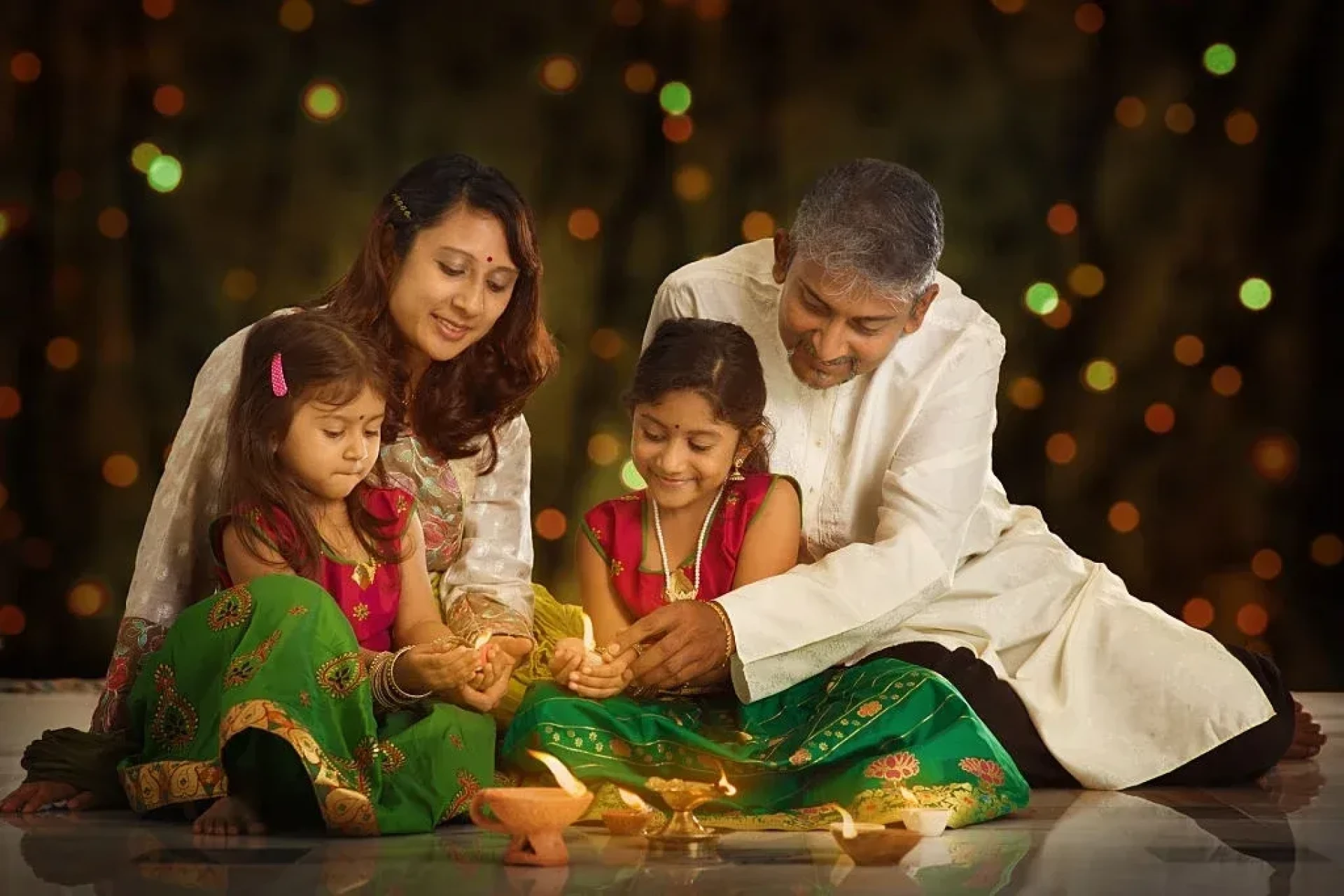
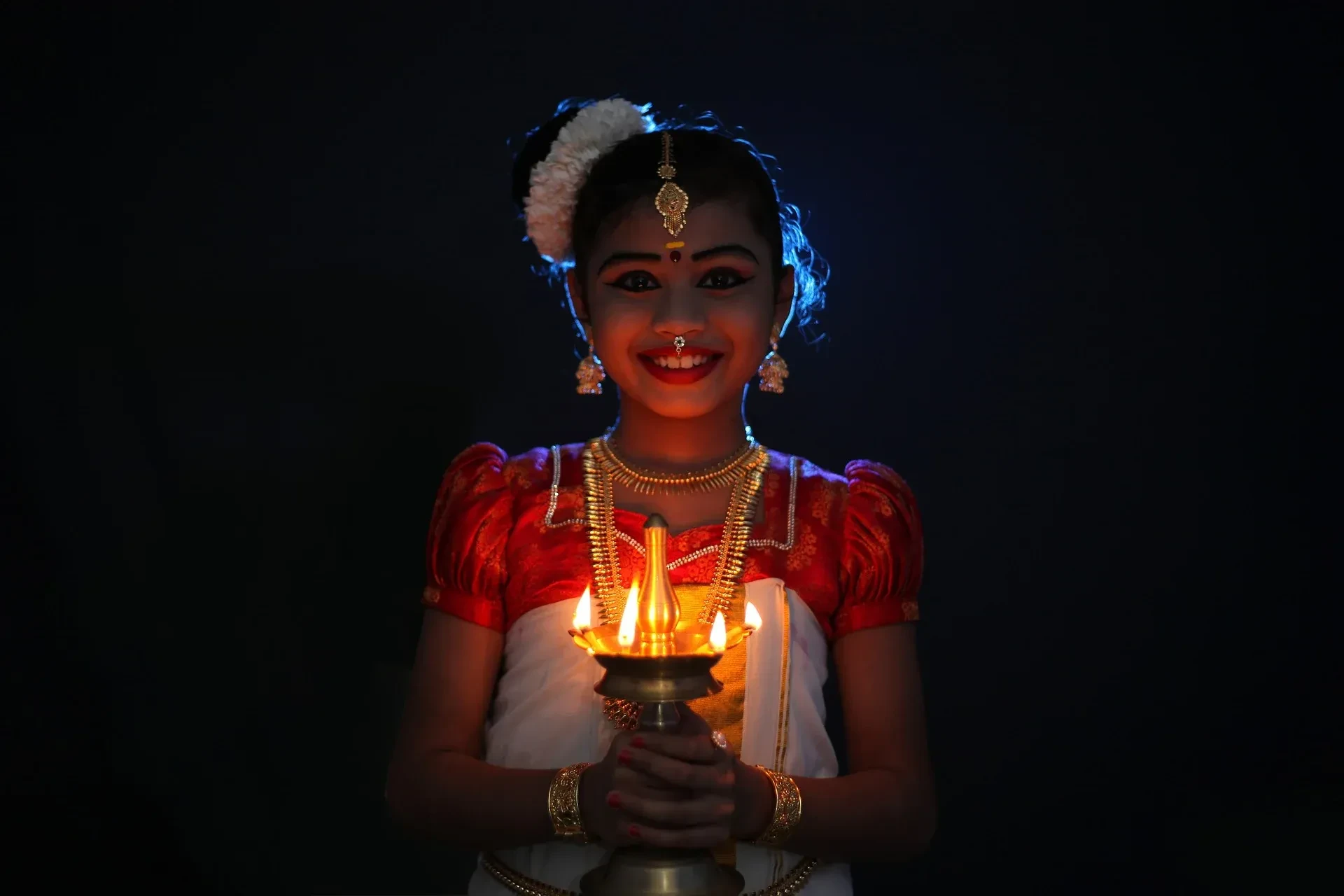
Diwali is celebrated over several days with family gatherings, prayers, food, and the lighting of lamps and candles. Each day has unique traditions, but the central theme is the spreading of light and joy. The celebration is not only spiritual but also deeply cultural, bringing together people across generations.
In countries with large Hindu populations, such as the United States, Canada, and the United Kingdom, Diwali Day has started to receive official acknowledgment. Cities hold community events, schools teach students about its values, and workplaces encourage inclusivity by recognizing the festival. This acknowledgment provides a sense of pride to Hindu communities and demonstrates respect for cultural diversity.
Why Recognizing Diwali Day Matters
When society acknowledges Diwali Day, it creates important benefits for everyone involved:
- Encouraging inclusivity: Recognition affirms that cultural diversity is valued in public spaces, making people from different backgrounds feel welcome.
- Creating cultural awareness: Events around Diwali give non-Hindu communities a chance to learn about Hindu philosophy, rituals, and traditions.
- Strengthening community spirit: Celebrating together promotes understanding, dialogue, and friendships across cultures.
- Boosting engagement: When employees or students feel that their traditions are honored, they develop stronger connections to their institutions.
These benefits highlight why embracing Diwali Day is about much more than celebrating a festival—it is about fostering an environment where cultures coexist with respect and understanding.
Hinduphobia Meaning and Its Relevance Today
While Diwali Day brings joy and recognition, another important conversation is about Hinduphobia. The meaning of hinduphobia meaning refers to prejudice, hostility, or negative stereotyping directed toward Hindus or Hinduism. It often appears in the form of misrepresentation of practices, dismissal of cultural traditions, or unfair criticism of Hindu beliefs.
This issue is not new, but it is becoming more visible as awareness grows. Hinduphobia can take subtle forms, such as casual comments that mock rituals, or more direct forms, such as hostility toward individuals who openly identify as Hindu.
For many in the community, this creates feelings of alienation and frustration, especially when their culture is either mischaracterized or overlooked in discussions about diversity. Understanding the meaning of Hinduphobia is therefore essential for building a society that values fairness and equal respect for all communities.
Why It Is Important to Address Hinduphobia
Recognizing Hinduphobia is not just about one community—it is about upholding the principles of equality and inclusion. Addressing it matters for several reasons:
- Respect for traditions: Every culture deserves recognition and dignity in how its practices are presented.
- Building fairness: By acknowledging bias, institutions can ensure fair treatment for Hindus in workplaces, schools, and public spaces.
- Cultural preservation: Preventing distortion of Hindu traditions helps safeguard a heritage that has contributed greatly to global philosophy, art, and spirituality.
- Fostering trust: Acknowledging Hinduphobia signals to Hindu communities that they are supported and respected in society.
By opening dialogue and educating others, it becomes possible to reduce misconceptions and replace stereotypes with understanding.
The Connection Between Diwali and Hinduphobia
The recognition of Diwali Day is a positive step toward cultural inclusion, while addressing Hinduphobia ensures that this inclusion is meaningful. One celebrates the richness of Hindu traditions, while the other removes the barriers that prevent those traditions from being fully understood and respected.
Together, these efforts create a more balanced environment. Celebrating Diwali shows the beauty of Hindu culture, and recognizing the meaning of Hinduphobia ensures that this beauty is not overshadowed by prejudice. Both are needed to build stronger and more respectful communities.
CoHNA’s Commitment to Awareness and Education
CoHNA is deeply committed to promoting awareness about Diwali Day while also addressing issues like Hinduphobia. Through advocacy, education, and engagement, the organization works to highlight the positive contributions of Hindu culture and provide clarity on misconceptions.
Key areas of focus include:
- Community programs to celebrate Diwali and share its universal message of light and peace.
- Educational outreach to help schools, workplaces, and organizations better understand Hindu practices.
- Advocacy efforts to raise awareness about Hinduphobia and its real impact on individuals.
- Support networks that empower Hindus to embrace their identity with pride and confidence.
These initiatives not only benefit the Hindu community but also strengthen the broader society by promoting mutual respect and cultural understanding.
Looking Ahead
As society becomes increasingly multicultural, recognizing festivals like Diwali and addressing challenges like Hinduphobia become essential steps toward true inclusivity. Each Diwali Day celebration offers an opportunity to learn, share, and come together. At the same time, every effort to address Hinduphobia helps ensure that cultural diversity is not just celebrated but also respected and protected.
Moving forward, individuals can contribute by participating in Diwali events, learning about Hindu traditions, and speaking out against bias when they see it. Institutions can build inclusivity by acknowledging cultural holidays and addressing misrepresentation in their policies and practices.
At its core, Diwali reminds us that light will always overcome darkness. Understanding the meaning of Hinduphobia reminds us of the work still needed to remove barriers to equality. Together, they point to a brighter and more inclusive future—one where every tradition, including Hindu culture, is celebrated with dignity.
For CoHNA, this vision remains central: to promote awareness, celebrate cultural richness, and work toward a society where all voices are valued.