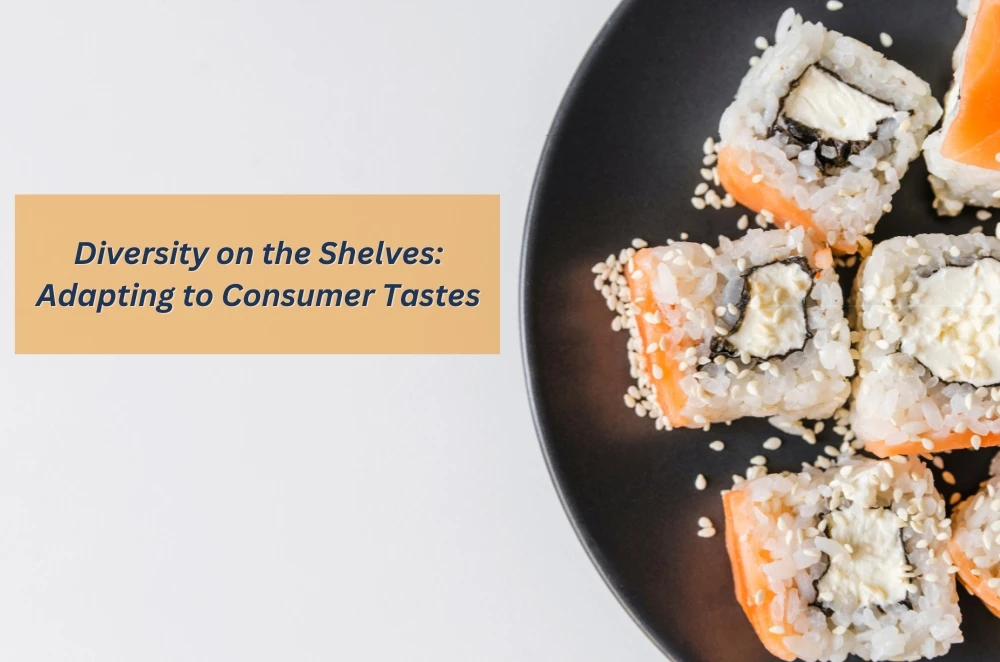
Consumer habits are changing in the Australian food industry in 2025. This change is catalysed by a growing enthusiasm from chefs for the authentic Asian food products Australia offers. Australians enjoy this thanks to the diverse food traditions around the country, with a hunger for bold and authentic flavours that celebrate the multicultural identity of the nation. Such a robust and growing interest presents a perfect opportunity for retailers and manufacturers to make this food more widely available to consumers. This change reflects a greater acceptance of transition worldwide that emphasises the significance of the variety of food.
Realistic Asian tastes in Australian gourmet
- Broadened palates: Shoppers are flocking to rich, layered flavours influenced by Asian cooking traditions.
- Ingredient take-up: Ingredients like miso, gochujang, and matcha are becoming staples in Australian kitchens .
- Market(s) development: Supermarkets and specialty stores carrying more authentic Asian items.
End-to-end strategies for retailers and manufacturers
- Supplementing Asian foods: Consider supplementing the Asian food offerings to provide a comprehensive in-store experience.
- Cultural awareness: Knowledge of the traditions of Asian ingredients ensures authenticity across products.
- Partnerships with suppliers: Partnering with Asian producers guarantees high-quality regional ingredients.
Diversity influence on the Australian food consumer market
- Diversifying dynasty: More international ingredient options open the dining scene
- Cross-cultural appreciation: New flavours cultivate understanding among communities.
- Boosting consumer engagement with global cuisine: Highlighting the ingredients’ origins and preparation methods
How technology is helping us access food more efficiently
- Moving to online: E-commerce allows consumers around the country to track down real Asian ingredients easily
- Digital engagement: Australians are exposed to new culinary trends, from food blogs and social media to traditional recipes.
- Smart retailing: AI-powered inventory management enables supermarkets to stay on top of fluctuating consumer demand.
Global food sourcing sustainability
- Ethically sourced: Collaborating with responsible producers guarantees fair trade practices and environmental awareness.
- Minimising food waste: Smart packaging and smaller serving sizes reduce waste.
- Keeping it local: Australian-grown substitutes for imported Asian ingredients support sustainability.
Conclusion
Indeed, Australia is reshaping the food landscape with its growing appetite for authentic Asian food products. Retailers and manufacturers must move powerfully to fulfil this demand and create a wider variety of elements. With consumers becoming even more adventurous, the demand for authenticity and cultural awareness only grows. With that in mind, attracting Australian diners with Asian menu trends that honour culinary traditions can give the food industry a welcome boost in profitability by being open to those rich traditions. This shift has led to a much more diverse, complex, interconnected and flavourful food culture across the country.