Tucked away in the Eastern Himalayas, Bhutan is a land of living traditions, sacred rituals, and colorful festivals that bring its spiritual heritage to life. Among the many reasons to visit this enchanting kingdom, the Bhutan Festival experience stands out as a powerful and transformative cultural immersion.
From masked dances that tell ancient tales to vibrant communal celebrations that echo with chants and music, festivals in Bhutan—locally called "Tshechus"—offer a unique window into the soul of this Himalayan nation.
What is a Bhutan Festival?
Bhutanese festivals, or Tshechus, are religious and cultural events celebrated across the country in honor of Guru Rinpoche, the saint who introduced Tantric Buddhism to Bhutan in the 8th century. These gatherings typically occur in the courtyards of ancient dzongs (fortresses) and monasteries, where monks and laymen perform sacred masked dances known as Cham dances.
Attending a Bhutan festival is like stepping into a living museum of Buddhist symbolism, storytelling, and spiritual expression. The ceremonies are deeply rooted in Bhutanese beliefs and are said to bring blessings, protect against misfortune, and help on the path to enlightenment.
Why You Should Attend a Festival in Bhutan
1. Cultural Immersion at Its Finest
Each Bhutan festival is a vivid tapestry of tradition. Locals attend in their finest ghos and kiras (traditional attire), adding to the festive ambiance. Visitors get to witness how Bhutanese values—respect for spirituality, community participation, and devotion—are seamlessly woven into everyday life.
2. Rare Performances of Sacred Dances
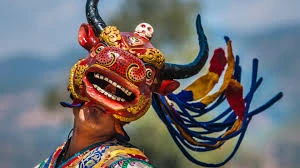
Cham dances, the centerpiece of any Tshechu, are performed by trained monks wearing elaborate costumes and handcrafted masks representing deities, animals, or demons. These dances are not mere entertainment—they are considered sacred rituals that purify the space, protect the land, and convey moral teachings.
3. A Festival for Every Region
Almost every district in Bhutan celebrates its own version of the Tshechu, meaning you can plan your trip around different festivals in various locations. Each has unique traditions and highlights. From large-scale festivals in Paro and Thimphu to more intimate ones in Punakha or Bumthang, every event tells a distinct story.
Top Festivals to Experience in Bhutan
1. Paro Tshechu (March/April)
One of the biggest and most popular festivals, the Paro Tshechu takes place in the stunning Rinpung Dzong. The festival concludes with the unfurling of the Thangka—a giant embroidered Buddhist painting—which is believed to cleanse all sins of those who witness it.
2. Thimphu Tshechu (September/October)
Held in the capital city, this Tshechu draws both locals and tourists. Along with sacred dances, it features Bhutanese opera, music, and a vibrant market atmosphere where local handicrafts, textiles, and food are on full display.
3. Punakha Drubchen and Tshechu (February/March)
Punakha’s festivals are known for re-enacting historical events, particularly Bhutan's victory against Tibetan invaders. Locals participate in mock battles in traditional armor, offering a dramatic and patriotic spectacle.
4. Jambay Lhakhang Drup (October/November)
This Bumthang festival is both spiritual and slightly unconventional. It features the mysterious Tercham (Naked Dance), performed in the dead of night to honor fertility and drive away evil spirits—an event shrouded in mysticism and cultural depth.
5. Haa Summer Festival (July)
Unlike the religious Tshechus, the Haa Summer Festival celebrates nomadic culture and traditions. It showcases yak herding, archery, horse riding, and traditional cuisine, offering a glimpse into rural Bhutanese life.
Planning Your Visit Around a Festival
When planning your trip, consider aligning your itinerary with a major Bhutanese festival. These events usually last several days and can be crowded with both locals and international tourists. To make the most of your experience:
- Book in advance: Accommodation fills up fast during popular festivals.
- Hire a local guide: They can explain the significance of dances and rituals, enhancing your understanding.
- Dress modestly: Respect local customs by wearing appropriate clothing when visiting temples or dzongs.
- Be camera-conscious: Photography is often allowed, but avoid using flash and always follow local etiquette.
Bhutan’s Festivals: A Celebration of Gross National Happiness
Bhutan’s unique approach to development—centered on Gross National Happiness (GNH)—is visible in its festivals. These events strengthen community bonds, preserve spiritual practices, and sustain centuries-old cultural heritage.
The festivals also offer a space for reflection, joy, and connection. Locals gather in laughter and prayer, children play in the dzong courtyards, and elders pass down oral histories and customs to the next generation. As a visitor, you’re not just a spectator—you become part of a shared celebration of life, faith, and continuity.
Conclusion: The Heartbeat of Bhutan
A Bhutan Festival is more than just a cultural event; it’s an immersive spiritual experience that stays with you long after the drums have quieted and the masks are put away. Whether you're drawn to the visual spectacle, the spiritual depth, or the cultural richness, witnessing a Tshechu offers a rare glimpse into a nation where tradition and transcendence go hand in hand.
If you're planning a journey to Bhutan, make sure to time your visit with one of its many breathtaking festivals. It could be the most profound part of your Himalayan adventure.