A road journey through Rajasthan offers a dynamic transition from pastel-hued imperial architecture to the raw, rugged terrain of the Aravali and Vindhya ranges. While the Pink City captivates with palatial grandeur, the route southward toward Sawai Madhopur introduces travelers to rural heritage, ancient temples, tranquil lakes, and sprawling wildlife sanctuaries. Leaving the urban hum of Jaipur behind opens up scenic expanses punctuated by historic roadside hamlets, stepwells, and natural outposts. Whether you choose to take the Delhi–Mumbai Expressway corridor via Lalsot or trace the traditional state highways through Tonk, pacing this passage thoughtfully reveals some of the finest regional wonders before you ever reach tiger territory.
Scenic Roadside Landmarks and Hidden Stops
Setting out from the capital early in the morning allows you to avoid peak city traffic and maximize stops along the approximately 160-to-180-kilometer route.
- Chandlai Lake: Located just thirty kilometers outside Jaipur, this sprawling waterbody serves as a serene haven for resident and migratory birds. In the winter months, common pochards, bar-headed geese, and flamingos frequently gather here, making it an idyllic stop for birdwatchers and photographers seeking quiet morning light.
- Tonk and the Sunehri Kothi: Taking the classic highway leads toward the historic nawab town of Tonk. The famed Mansion of Gold features ornate glasswork, painted floral motifs, and detailed woodwork from the nineteenth century, providing a distinct stylistic break from Jaipur’s Rajput structures.
- Hathi Bhata: Near Tonk stands this monolithic stone elephant, sculpted out of a single rock outcrop in 1200 AD, standing as an enduring symbol of medieval masonry along the older royal routes.
- Rural Villages of Sawai Madhopur: As you approach the fringes of the reserve, traditional mud-brick hamlets, mustard fields, and guava orchards offer glimpses into authentic Rajasthani rural culture, where local artisans sell regional pottery and textiles directly from roadside workshops.
Architectural Wonders of the Wild Frontier
Reaching the environs of the national park transitions the journey from highway vistas to historic monuments deep inside the forest canopy. The 10th-century Ranthambore Fort, recognized as a UNESCO World Heritage site, crowns a towering cliff that overlooks lakes and dense woodland. Inside the battlements, the revered Trinetra Ganesh Temple draws devotees from across the subcontinent, while ancient stepwells, ruined palace pavilions, and hunting lodges show how royal history intertwines with untamed wilderness.
Below the fort lie Padam Lake and the iconic Jogi Mahal, an ancient royal rest house nestled beneath the second-largest banyan tree in the country. The waters of Raj Bagh and Malik Talao mirror ruined stone arches that leopards and Royal Bengal tigers often use for shelter during the heat of the day. Exploring these structures provides deep context to the landscape, illustrating that this reserve is not merely a safari ground, but a living historical biome preserved across centuries.
Experiencing Wilderness and Safari Adventures
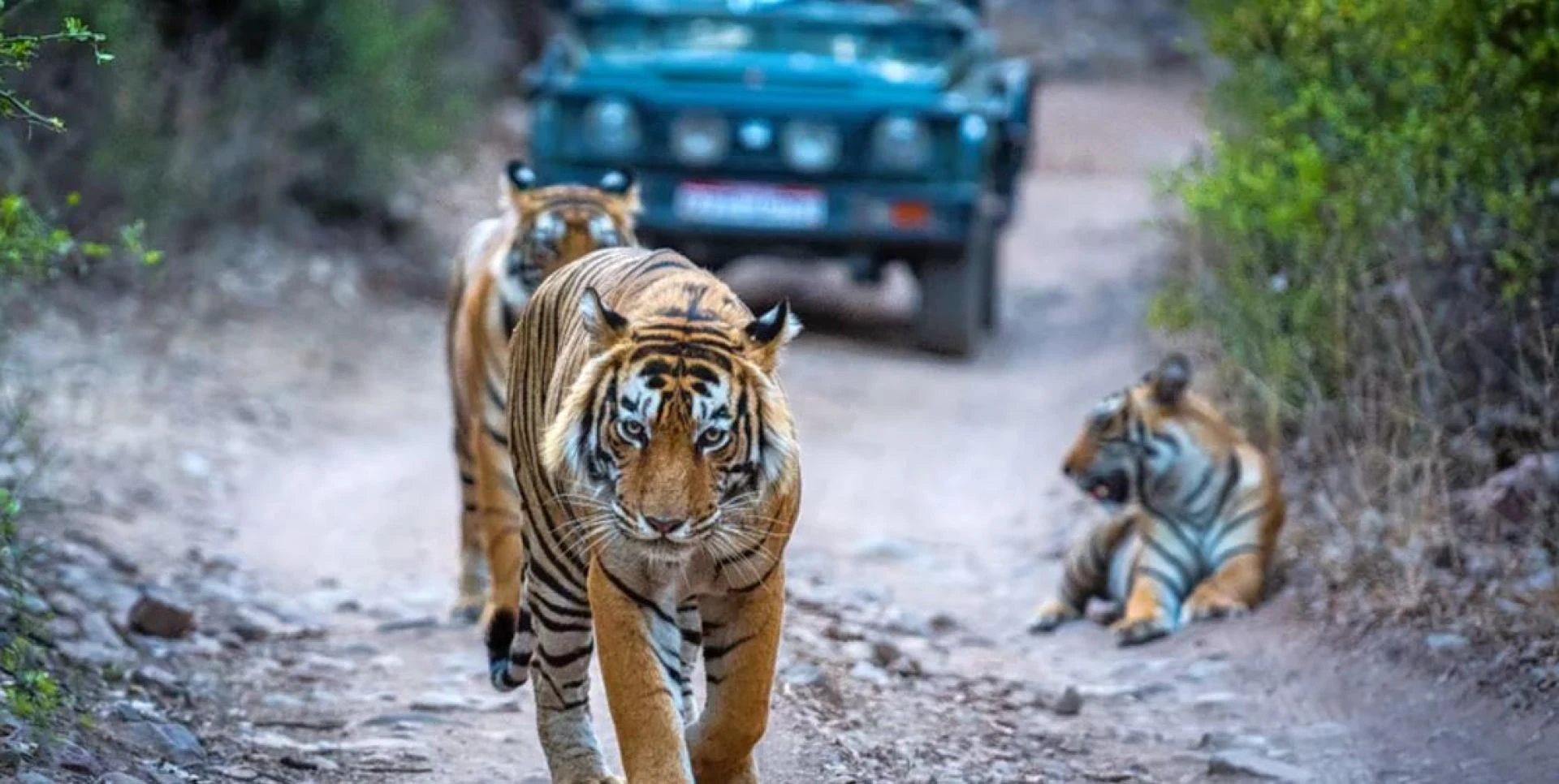
Venturing beyond the historic ramparts and into the wilderness requires careful field planning, especially considering the park's division into ten distinct tourism zones. The lower core zones, characterized by interlocking water bodies and deep gorges, provide prime habitats for chital, sambar deer, marsh crocodiles, and elusive predators. Meanwhile, the plateau zones present stark scrub forests, dry deciduous trees, and high vantage points ideal for tracking movement across open grasslands.
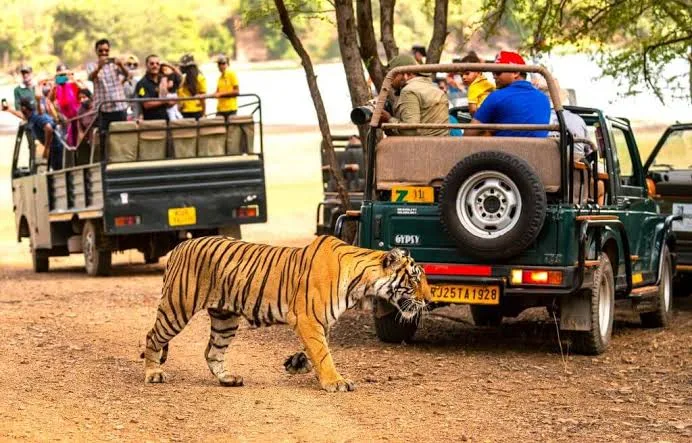
To experience these contrasting zones with flexibility and unobstructed sightlines, travelers frequently opt for a customized Jeep safari in Ranthambore. The six-seater open-top vehicles maneuver narrow jungle tracks effortlessly, providing wildlife enthusiasts and photographers with low-angle perspectives and quieter engine idling when observing animal behavior at waterholes. Pairing early morning drives with late afternoon circuits offers the greatest probability of witnessing the natural rhythm of the forest, from sunrise territorial calls to twilight hunting displays.
Curated Stays and Tailored Getaways
After a full day on the road and traversing dusty forest tracks, having an authentic, tranquil sanctuary to return to makes all the difference. Located just a short distance from the primary safari entry gates, Ranthambore Tiger Resort provides guests with a harmonious blend of rural tranquility and dependable modern comfort. Guests can unwind amidst verdant gardens, enjoy traditional home-style Rajasthani dining, and stay in climate-controlled luxury tents designed to reflect classic expedition heritage.
For travelers seeking a seamless forest experience, reserving a comprehensive Ranthanbore 2N 3D Couple Package ensures that luxury tent accommodations, multi-course meals, and wildlife excursions are managed by seasoned local naturalists. Whether you are traveling as independent wildlife trackers or planning a romantic wilderness retreat, choosing a well-established resort in Ranthambore ensures you spend less time handling gate transfers and more time savoring the sights and sounds of the wild. From the pink facades of Jaipur to the tranquil campfire under the star-lit skies of Sawai Madhopur, this journey captures the finest spirit of Rajasthan's royal and untamed roots.