
In the world of fitness and sports, staying one step ahead makes a big difference. One tool that is quickly gaining popularity among athletes, trainers, and even casual gym-goers is the Muscle Oxygen Monitor. This small but powerful device helps people understand how their muscles use oxygen during workouts. It sounds technical, but it's actually simple once you learn how it works.
The Muscle Oxygen Monitor is worn on the body, usually on the thigh, arm, or calf. It measures the amount of oxygen available in the muscles in real-time. This data helps athletes adjust their training, prevent injuries, and recover faster. Whether you're running a marathon or lifting weights at the gym, this monitor can help you get better results.
This article will explain everything about the muscle oxygen monitor in very simple words. We’ll cover what it is, how it works, why it's useful, and how to use it properly. You'll also learn about its benefits, how to choose the right one, and how it helps in recovery. In the end, there’s a Q&A section to clear your common doubts.
Let’s explore how this smart tool can take your fitness to the next level.
What Is a Muscle Oxygen Monitor?
A Muscle Oxygen Monitor is a small wearable device that tracks how much oxygen your muscles are using while you exercise. It helps you understand if your muscles are working too hard or if they need more rest. This device gives real-time data about your body, which helps you train smarter, not just harder.
The monitor uses a technology called near-infrared spectroscopy (NIRS). This sounds complicated, but it simply means it sends light through your skin to see how much oxygen is in your muscles. The device then shows that information on a screen, usually on a smartphone or smartwatch app.
For example, when you're running uphill, your muscles need more oxygen. The monitor shows that the oxygen levels are going down. This is a signal that you may need to slow down or adjust your pace. On the other hand, if your oxygen levels are steady, you know you're doing fine.
This tool is not just for athletes. Even if you're new to exercise or doing rehab, it can help you avoid overtraining and stay safe. It gives you clear signs when your body needs rest. Instead of guessing, you make smart decisions with real information.
Overall, a Muscle Oxygen Monitor is like a fitness coach on your arm. It listens to your body and tells you what your muscles are saying. It helps you improve faster and train in a healthy way.
How Muscle Oxygen Monitor Works
A Muscle Oxygen Monitor works by using light sensors. These sensors shine a safe, invisible light through your skin. The light bounces back and tells the device how much oxygen is in the blood in your muscles. It’s like taking a peek inside your muscles to see how they’re doing.
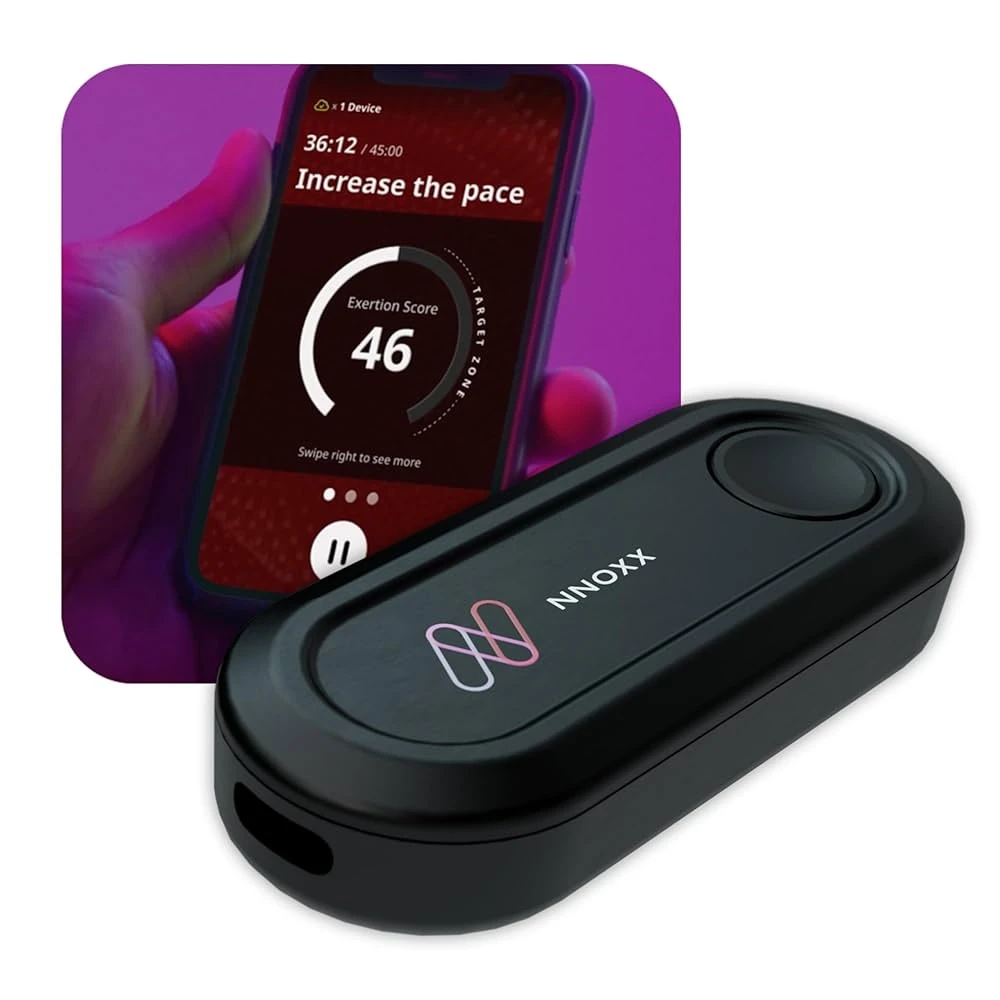
The monitor sends the data to an app on your phone or watch. There, you’ll see numbers or graphs that show how much oxygen your muscles are getting during your activity. This data updates every second, so you always know what’s happening in your body.
When you start exercising, your muscles use oxygen quickly. If the oxygen levels drop too low, it means your muscles are working too hard. You can slow down or take a short break. If your oxygen levels are high, it means your muscles are recovering well and ready for more work.
For example, let’s say you are cycling. The monitor shows your oxygen levels falling fast. That’s a sign you’re pushing too hard. You slow down for a minute, and the oxygen levels rise again. This is how the monitor helps you balance effort and recovery.
The Muscle Oxygen Monitor is also very helpful in interval training. During hard efforts, you can watch how fast your oxygen drops. During rest periods, you can see how quickly it recovers. This shows if your body is improving over time.
So, this device is not just a tracker—it’s a real-time feedback tool. It helps you listen to your body in a smart and easy way.
Benefits of Using This Device
Using a Muscle Oxygen Monitor comes with many amazing benefits. Whether you’re an athlete or someone just trying to get healthier, this tool can change how you train.
1. Better Performance:
The biggest benefit is improved performance. When you can see how your muscles are doing in real-time, you can adjust your workout for the best results. You don’t need to guess when to push hard or slow down. The monitor shows you.
2. Smarter Training:
You can plan your workouts based on oxygen data. If your muscles recover fast, you can train harder. If they don’t, you know it’s time to take it easy. This helps you avoid overtraining, which often leads to fatigue or injury.
3. Faster Recovery:
The monitor tells you how well your muscles are recovering. This is helpful after a workout. If the oxygen levels stay low, it means your body needs more rest. This prevents burnout and supports better recovery.
4. Injury Prevention:
When muscles are low in oxygen, they get tired quickly. This leads to poor form and injuries. By watching the data, you can stop before you push too far. It’s like a warning system for your body.
5. Motivation Boost:
Seeing real-time numbers can be very motivating. When you see your oxygen level rise, it means your body is getting stronger. This can push you to stay consistent and work harder over time.
6. Works With Other Tools:
Most muscle oxygen monitors work with fitness watches or phone apps. This means you can combine it with heart rate, steps, and calories to get a full picture of your fitness.
So, using a Muscle Oxygen Monitor is not just about tracking. It’s about improving performance, avoiding mistakes, and becoming the best version of yourself.
How To Use It Properly
Using a Muscle Oxygen Monitor is very simple. But for the best results, you should use it correctly. Here’s how you can do that:
1. Choose The Right Spot:
Place the monitor on a large muscle, like your thigh, arm, or calf. Make sure the skin is clean and dry. It should fit snugly, but not too tight.
2. Connect It To The App:
Most monitors work with a mobile app or fitness watch. Make sure Bluetooth is on. Follow the instructions to connect the device. The app will show your muscle oxygen levels during workouts.
3. Start Tracking:
Begin your workout as usual. Watch the oxygen data on your app. You’ll see the numbers drop when you work hard and go up when you rest.
4. Learn Your Patterns:
After using it a few times, you’ll notice patterns. For example, your thigh muscles may recover faster than your arms. This helps you understand your body better.
5. Adjust Your Training:
Use the data to train smarter. If your oxygen level drops too fast, slow down or take breaks. If it stays steady, you can push harder.
6. Stay Consistent:
Use the monitor in every workout for best results. Over time, the data helps you see how you’re improving.
Bonus Tips:
- Use it during both warm-up and cool-down.
- Keep the device clean and dry after each use.
- Check the battery often.
By following these simple steps, you’ll get the most out of your Muscle Oxygen Monitor and train in a safe and effective way.
Choosing The Right Monitor Device
There are many Muscle Oxygen Monitors in the market. To choose the best one, you should look at a few key things:
1. Comfort and Fit:
The monitor should be easy to wear. It must stay in place during exercise. A soft strap and light design are best.
2. Real-Time Data:
Pick a device that gives instant updates. You should be able to see oxygen levels live on your phone or watch while working out.
3. App Compatibility:
Check if the monitor works with your smartphone or fitness app. Good apps help you see trends, compare past workouts, and get deeper insights.
4. Battery Life:
Choose a monitor that lasts long on a single charge. Some last for 20 hours, others for 50 hours. Longer battery life means fewer recharges.
5. Data Accuracy:
Read reviews before buying. A good monitor should give accurate and stable data even when you’re moving fast or sweating.
6. Price vs Features:
Some monitors are basic, while others are advanced. If you're a beginner, you may not need many features. But if you're a pro athlete, choose one with more detailed metrics.
Popular Options Include:
- Moxy Monitor
- Humon Hex
- BSX Insight (older version)
- Train.Red
Always check customer reviews and product comparisons. Ask questions in online forums or fitness communities before you buy. Choosing the right Muscle Oxygen Monitor helps you train better and avoid wasting money.
Recovery Help With Oxygen Monitor
Recovery is a key part of fitness. A Muscle Oxygen Monitor can play a big role in helping you recover faster and smarter.
After a hard workout, your muscles are tired and low on oxygen. This is natural. But how fast your muscles return to normal oxygen levels shows how well you are recovering. The monitor tracks this for you.
Here’s how it helps:
1. Tracks Recovery Time:
By checking how long it takes your oxygen levels to rise back to normal, you can measure recovery. Faster recovery means your fitness is improving. If recovery is slow, it means you need more rest.
2. Avoid Overtraining:
If your oxygen levels remain low for hours after a workout, that’s a sign of fatigue. Resting more helps avoid injuries. The monitor gives a clear signal when your body isn’t ready for the next workout.
3. Improve Sleep and Rest Days:
You can use the data to plan rest days and get better sleep. On days when your muscle oxygen is low, take it easy. This helps you come back stronger next time.
4. Smart Rehab Support:
If you’re injured or coming back from illness, the monitor helps track progress. You’ll know when your muscles are ready for more movement. This reduces the risk of hurting yourself again.
5. Combine With Nutrition:
Oxygen recovery is also affected by food. By watching your oxygen levels after eating, you can see which meals help you bounce back faster.
In short, the Muscle Oxygen Monitor is not just for workouts. It’s a powerful recovery tool that tells you when to push and when to rest.
Conclusion
A Muscle Oxygen Monitor is a powerful tool for anyone serious about their fitness. It helps you understand what your muscles need during workouts and recovery. By using real-time oxygen data, you can train smarter, avoid injuries, and reach your fitness goals faster.
Whether you're a beginner or a pro, this device offers clear and helpful feedback. From improving performance to preventing overtraining, it acts like a silent coach that always watches your body. And the best part is, it's easy to use and works with your existing fitness tools.
If you're ready to take your health to the next level, adding a Muscle Oxygen Monitor to your training is a smart move.
Questions and Answers
Q1: Is a Muscle Oxygen Monitor safe to use?
Yes, it is 100% safe. It uses harmless light to check oxygen in your muscles.
Q2: Can beginners use this device?
Absolutely. It's great for beginners because it helps avoid overtraining.