
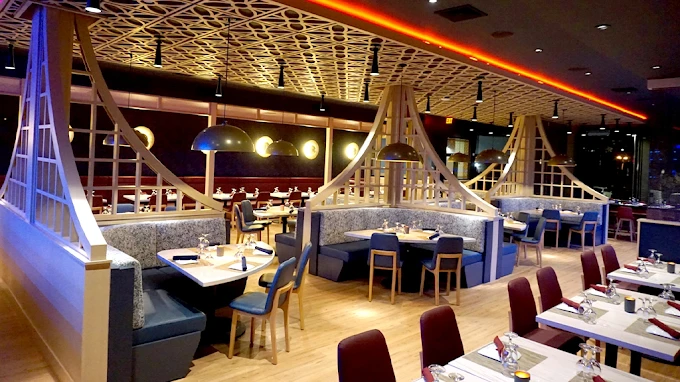
When dining at fine dining Indian restaurants in NJ, guests are often treated to more than just a meal—they’re invited to experience a rich cultural tradition. Indian dining, especially in an upscale setting, reflects centuries of heritage, hospitality, and culinary artistry. From how food is served to the etiquette of enjoying it, each tradition carries meaning. Understanding these customs can enhance your experience and help you appreciate the true essence of Indian fine dining.
The Spirit of Indian Hospitality
Hospitality, or Atithi Devo Bhava—meaning “the guest is God”—is at the heart of every Indian dining experience. In Indian culture, feeding someone is a gesture of respect and affection. Fine dining establishments carry this philosophy forward by providing warm welcomes, attentive service, and personalized care.
From the moment you step in, you are greeted with genuine smiles and offered a comfortable atmosphere that encourages relaxation. This traditional hospitality blends seamlessly with modern service standards, creating a memorable and heartwarming experience for every guest.
The Art of Serving and Sharing
Indian dining traditions often emphasize sharing. Meals are typically served in a way that allows everyone to taste a variety of dishes. Even in formal dining settings, the sense of community and togetherness remains a key element.
In many restaurants, you may find dishes presented in thalis (large platters) that include small portions of various items, offering a taste of every flavor profile—sweet, spicy, tangy, and savory. This presentation not only reflects culinary diversity but also showcases the artistry behind Indian cooking. Sharing food is seen as a way to strengthen relationships, a sentiment that fine dining settings elevate with elegance and sophistication.
Balancing Flavors: The Science Behind the Meal
One of the most fascinating aspects of Indian dining is the balance of flavors and textures. Every dish is carefully crafted to engage all the senses—sight, smell, and taste. A typical meal incorporates six essential tastes: sweet, sour, salty, bitter, pungent, and astringent.
Chefs at fine dining Indian restaurants in NJ pay great attention to achieving this harmony. Ingredients like tamarind, ginger, turmeric, and cardamom are used not just for flavor but for their digestive and health benefits. From appetizers to desserts, each dish contributes to a complete and balanced culinary journey that reflects both artistry and tradition.
Etiquette and Dining Practices
While Indian dining customs vary across regions, certain etiquette practices remain consistent. Knowing them can enrich your dining experience:
- Eating with the right hand: Traditionally, Indians eat with their right hand, symbolizing respect and purity. However, fine dining restaurants also provide utensils for convenience.
- Serving elders and guests first: In family-style meals, it’s customary to serve elders or guests before oneself—a reflection of humility and care.
- Savoring food slowly: Indian dining is not rushed; it’s a sensory experience meant to be enjoyed with mindfulness.
- Appreciating spice balance: Complimenting the chef or host for the perfect spice balance is considered a sign of appreciation and respect.
These customs aren’t rules—they are thoughtful gestures that make dining more personal and culturally meaningful.
The Role of Ambiance and Presentation
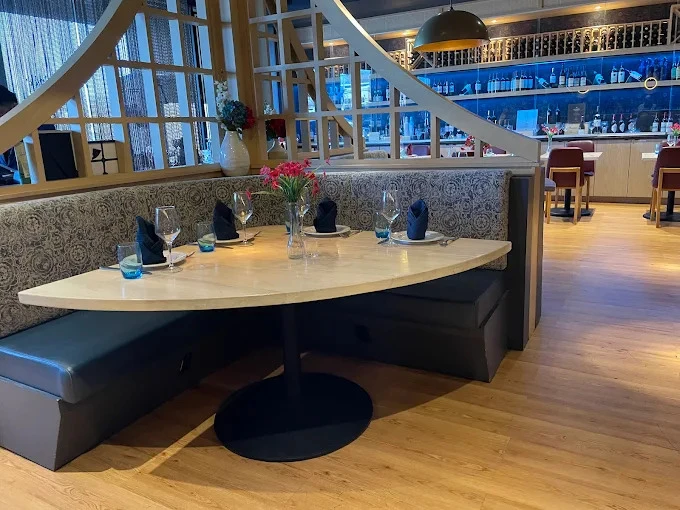
Ambiance plays a crucial role in how food is experienced. At many fine dining Indian restaurants in NJ, the décor draws inspiration from India’s rich history—warm lighting, earthy tones, and subtle music enhance the setting. The presentation of dishes also reflects sophistication, often merging traditional elements with modern plating techniques.
For example, classic dishes like butter chicken or paneer tikka may be served with creative garnishes or paired with contemporary beverages. This fusion of tradition and modernity transforms the dining experience into an elegant affair, appealing to both Indian food connoisseurs and first-time diners alike.
Sweets, Spices, and the Grand Finale
No Indian meal is complete without dessert. From gulab jamun to payasam and kesari, sweets hold a special place in Indian dining traditions. They symbolize celebration, joy, and the sweet conclusion of a memorable meal.
Equally important are the digestive accompaniments served at the end—like fennel seeds or paan—which cleanse the palate and aid digestion. These small but thoughtful touches reflect the detail-oriented nature of Indian dining culture.
Conclusion: Experience the Elegance of Indian Restaurants
Dining at fine dining Indian restaurants in NJ is more than just a culinary outing—it’s an immersion into a timeless culture that values hospitality, balance, and community. Every tradition, from the way food is served to the final sweet bite, tells a story of India’s rich heritage.
Discover the charm of authentic Indian hospitality and refined flavors. Visit Deccan Spice today and enjoy a meal that celebrates both tradition and sophistication.