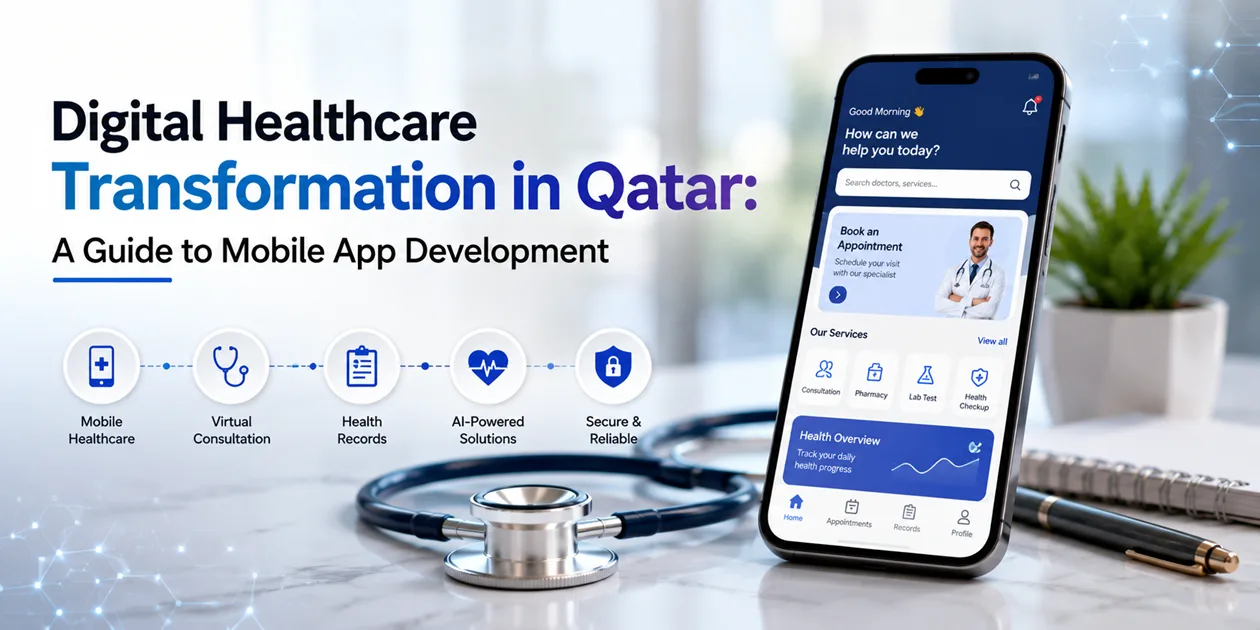
Over the last few years, Qatar’s healthcare industry has been rapidly evolving. From smart hospitals and digital patient records to AI-enabled diagnostics, the country is investing heavily in modern healthcare infrastructure. As patient expectations continue to rise, healthcare providers are now focusing on digital solutions that improve accessibility, efficiency, and patient engagement.
This shift has significantly increased the demand for healthcare app development in Qatar. Hospitals, clinics, pharmacies, and healthcare startups are adopting mobile technologies to simplify operations and deliver better patient experiences.
Today, mobile healthcare applications are no longer considered optional. They have become a critical part of modern healthcare transformation strategies across Qatar.
Why Digital Healthcare is Growing Rapidly in Qatar
Qatar’s healthcare sector is undergoing major modernization driven by government initiatives, smart city projects, and increasing demand for digital patient services. Patients now expect faster appointments, virtual consultations, digital prescriptions, and real-time healthcare access directly from their smartphones.
Traditional healthcare systems often struggle with:
- Long waiting times
- Manual patient record management
- Communication gaps
- Inefficient appointment scheduling
- Limited remote healthcare access
To solve these challenges, businesses and healthcare institutions are investing in mobile app development Qatar solutions that improve healthcare delivery while reducing operational inefficiencies.
Digital healthcare applications help organizations streamline workflows, automate processes, and provide personalized healthcare experiences to patients.
What is Healthcare App Development?
Healthcare app development involves creating mobile applications designed specifically for healthcare providers, hospitals, patients, diagnostic centers, pharmacies, and insurance companies.
A professional healthcare app development company in Qatar develops applications that support healthcare operations while ensuring compliance, data security, and scalability.
These applications can include:
- Telemedicine apps
- Appointment booking platforms
- EHR/EMR management systems
- Medicine delivery apps
- Remote patient monitoring solutions
- Fitness and wellness apps
- AI-driven healthcare platforms
The goal is to improve healthcare accessibility, operational efficiency, and patient satisfaction.
Key Features of Modern Healthcare Applications
Healthcare applications today are designed with both patient convenience and healthcare efficiency in mind. Some essential features include:
- Appointment Scheduling
Patients can easily book, reschedule, or cancel appointments without making phone calls or visiting hospitals physically. - Telemedicine Integration
Virtual consultation features allow doctors and patients to connect remotely through video or audio consultations. - Digital Health Records
Healthcare apps store patient records securely and provide easy access to medical history, prescriptions, and reports. - Push Notifications
Apps can send reminders for medications, appointments, health checkups, and lab tests. - Secure Payment Gateways
Integrated payment systems simplify billing and insurance claim processes. - AI-Based Health Insights
Modern AI-powered healthcare solutions in Qatar use artificial intelligence to analyze patient data, detect patterns, and provide predictive healthcare insights.
Role of AI in Qatar’s Healthcare Transformation
Artificial intelligence is becoming one of the most important technologies in healthcare innovation. Many healthcare organizations in Qatar are now integrating AI into mobile healthcare applications to improve patient care and decision-making.
Some major uses of AI in healthcare apps include:
- AI-powered symptom checkers
- Predictive analytics for disease detection
- Automated patient support chatbots
- Smart appointment prioritization
- Personalized treatment recommendations
- Remote patient monitoring systems
These digital health transformation initiatives in Qatar help healthcare providers improve efficiency while reducing manual workload.
AI also enhances patient engagement by offering faster responses, personalized care recommendations, and real-time monitoring capabilities.
Benefits of Healthcare Mobile Apps for Businesses
Healthcare mobile applications offer long-term operational and financial benefits for healthcare organizations.
- Improved Patient Experience
Patients gain faster access to healthcare services, consultations, prescriptions, and reports directly through mobile apps. - Better Operational Efficiency
Automation reduces paperwork, minimizes administrative tasks, and streamlines hospital workflows. - Increased Accessibility
Healthcare apps make medical services accessible to patients in remote areas or those unable to visit hospitals frequently. - Enhanced Data Management
Digital systems reduce the risks associated with manual data handling and improve medical record accuracy. - Higher Patient Engagement
Features like reminders, health tracking, and virtual consultations help healthcare providers stay connected with patients consistently.
This is why many businesses are actively partnering with an experienced healthcare app development company in Qatar to build scalable healthcare solutions.
Important Technologies Used in Healthcare App Development
Modern healthcare applications rely on multiple technologies to deliver secure and efficient experiences.
Cloud Computing
Cloud-based systems improve data accessibility, storage, and scalability.
Internet of Things (IoT)
IoT devices help track patient health data in real time through wearable devices and monitoring systems.
Artificial Intelligence
AI supports smart diagnostics, predictive healthcare analytics, and intelligent automation.
Blockchain
Blockchain technology improves healthcare data security and transparency.
Cross-Platform Development
Many companies now prefer cross-platform frameworks for faster and more cost-effective app development in Qatar projects.
Challenges in Healthcare App Development
Although digital healthcare offers significant benefits, healthcare organizations also face several development challenges.
Data Security and Compliance
Healthcare apps handle highly sensitive patient data. Strong encryption and security protocols are essential.
Integration with Existing Systems
Healthcare apps often need to integrate with hospital management systems, EHR platforms, and third-party healthcare software.
User Experience Design
Healthcare applications must remain simple and user-friendly for patients of all age groups.
Scalability
Applications should support future growth, increasing users, and evolving healthcare technologies.
Why Qatar is Becoming a Hub for Digital Healthcare Innovation
Qatar’s strong focus on digital transformation and smart healthcare infrastructure is creating new opportunities for healthcare technology companies.
The country’s investment in AI, cloud computing, and digital health initiatives is encouraging businesses to adopt advanced healthcare technologies faster than ever before.
Healthcare providers are now prioritizing:
- Digital patient engagement
- Smart hospital systems
- AI-enabled diagnostics
- Remote healthcare services
- Mobile-first healthcare experiences
This rising demand is driving rapid growth in healthcare app development in Qatar and opening doors for innovative healthcare startups and technology providers.
Choosing the Right Healthcare App Development Partner
Selecting the right development partner is one of the most important decisions for healthcare businesses.
A reliable healthcare app development company should offer:
- Healthcare industry expertise
- Strong security implementation
- AI integration capabilities
- Scalable app architecture
- Regulatory compliance knowledge
- Post-launch support and maintenance
Businesses should also evaluate the company’s experience in mobile app development, Qatar projects, and healthcare technology solutions before starting development.
Conclusion
Digital healthcare transformation is reshaping the future of healthcare services across Qatar. From virtual consultations and AI-powered diagnostics to remote patient monitoring and digital health records, mobile applications are becoming central to modern healthcare delivery.
As healthcare organizations continue investing in innovation, the demand for healthcare app development in Qatar will continue growing rapidly. Businesses that adopt secure, scalable, and intelligent healthcare technologies today will be better positioned to meet future patient expectations.
With the rise of AI-powered healthcare solutions in Qatar, healthcare providers now have the opportunity to deliver smarter, faster, and more personalized care experiences through advanced digital platforms.