
Feeding your furry friend might seem simple, but understanding the difference between kitten and cat food is crucial for their health, growth, and longevity. Cats, like humans, have changing nutritional needs throughout their life stages. A diet that works perfectly for a kitten may not support an adult cat, and continuing kitten food indefinitely can even cause health issues over time. In this guide, we’ll break down the essential differences, why they matter, and how to make the transition smoothly for your cat’s healthy growth and aging.
Why Age Matters in a Cat’s Diet
Kittens are in a rapid growth phase. From the moment they’re weaned until they reach about 12 months, their bodies are developing bones, muscles, organs, and their immune system. Adult cats, on the other hand, have slower metabolisms and more stable energy requirements. Feeding an adult cat the same high-calorie diet meant for kittens can lead to weight gain and related health problems like diabetes and joint stress.
The difference between kitten and cat food isn’t just about portion size—it’s about nutritional content. Kittens need higher protein, fat, and certain vitamins and minerals to support growth, while adult cats require a balanced diet that maintains weight and supports long-term health.
Protein: The Building Block of Health
Protein is the cornerstone of a cat’s diet because cats are obligate carnivores—they rely on meat for essential amino acids. Kitten food typically contains 30-40% protein, providing the fuel necessary for rapid growth. Adult cat food usually contains around 25-30% protein, enough to maintain muscle mass without promoting excessive weight gain.
Not all proteins are equal, though. High-quality animal proteins—like chicken, turkey, fish, or lamb—are crucial at all life stages. A kitten’s body needs not just more protein, but protein with the right amino acids, including taurine, which supports heart and eye health. Adult cats still need taurine, but in slightly lower amounts compared to kittens.
Fats and Energy Needs
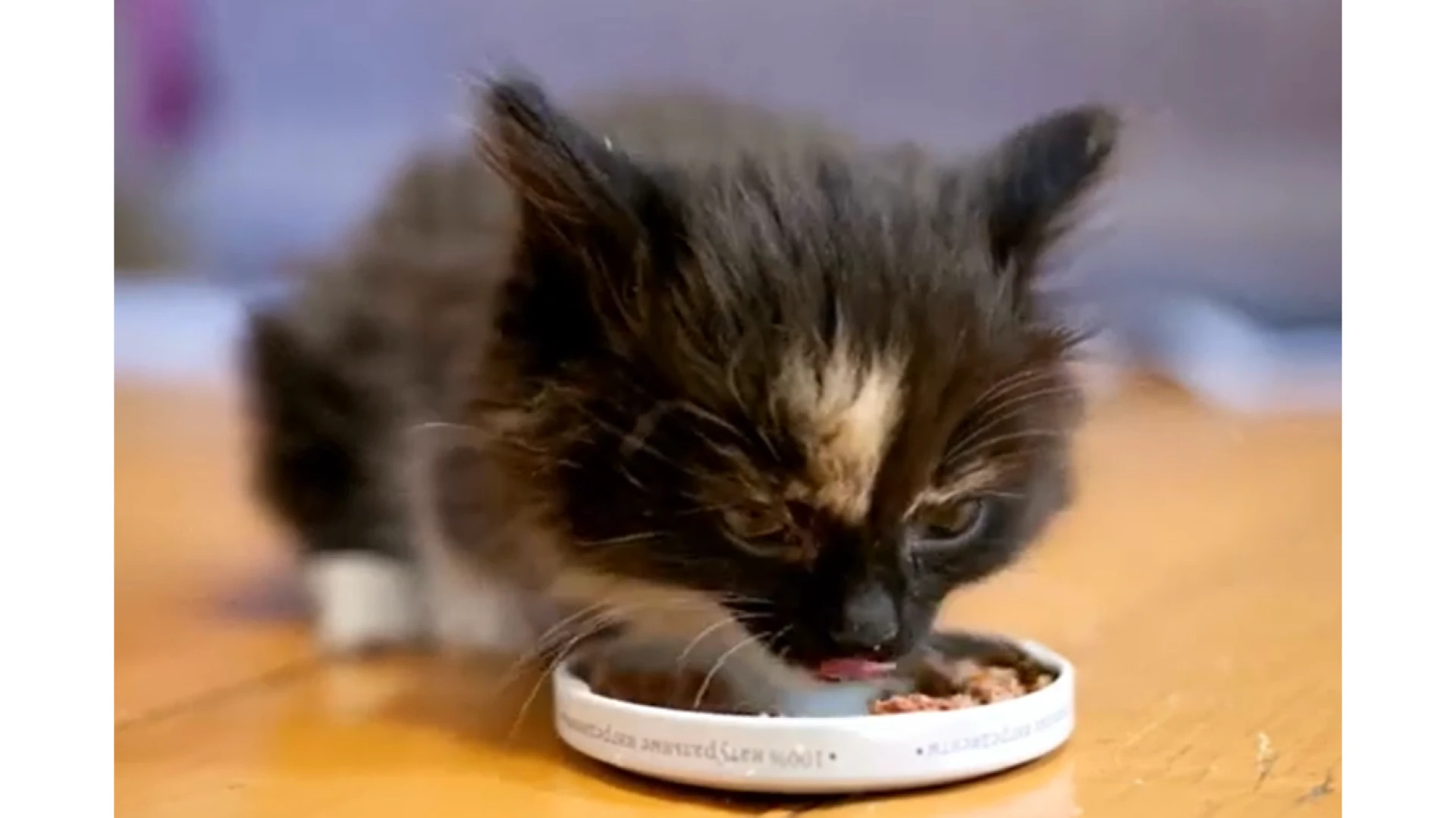
Kittens are energetic little explorers. They burn more calories than adult cats, which is why kitten food is higher in fat. Fat provides essential fatty acids like omega-3 and omega-6, supporting brain development, a healthy coat, and skin. Adult cats require fewer calories per pound, so adult cat food is lower in fat but still includes fatty acids to maintain coat and joint health.
Overfeeding an adult cat with high-fat kitten food can cause obesity and liver problems over time. Understanding this difference between kitten and cat food ensures you’re fueling your cat appropriately without compromising health.
Vitamins and Minerals for Life Stage Support
Both kittens and adult cats need vitamins and minerals, but the ratios differ significantly. For example, kittens need more calcium and phosphorus to build strong bones, while adults require these minerals in moderation to prevent kidney strain and urinary issues.
Vitamin A, D, and E levels are carefully balanced in kitten formulas to support immune function, eye development, and overall growth. Adult cat foods adjust these nutrients to prevent excess intake, which can be harmful over time. A kitten’s immune system is still maturing, so their food includes extra antioxidants, whereas adults benefit from maintenance levels to support long-term wellness.
Wet Food vs. Dry Food: Choosing the Right Form
Both kittens and adult cats can eat wet or dry food, but there are some considerations:
- Wet food for kittens: Provides higher moisture content, which is helpful for hydration, and often comes in smaller kibble or pate forms suitable for tiny teeth.
- Dry food for kittens: Offers convenience and helps with dental health, but should be high in protein and fat to meet growth requirements.
- Adult cat food: Emphasizes weight management, urinary tract health, and maintaining lean muscle mass. Some formulas include fiber to prevent hairballs, which are more common as cats age.
The difference between kitten and cat food extends to texture and digestibility. Kittens may struggle with large kibble, while older cats might benefit from softer textures as teeth wear down.
Transitioning from Kitten to Adult Cat Food
Many cat owners wonder when to switch from kitten to adult food. The general guideline is around 12 months, but this can vary based on breed and size. Large breeds, like Maine Coons, may benefit from kitten food until 18 months due to slower growth.
Here’s a step-by-step approach for a smooth kitten to cat food transition:
- Gradual Mixing: Start by replacing 25% of the kitten food with adult cat food.
- Monitor Digestive Response: Watch for diarrhea, constipation, or decreased appetite.
- Increase Adult Food Slowly: Over 7-10 days, gradually increase the adult food proportion.
- Observe Weight and Energy: Ensure your cat maintains a healthy weight and activity level.
- Hydration Check: Make sure your cat continues to drink enough water, especially if switching to dry food.
Rushing the transition can cause stomach upset, while a slow approach helps your cat’s digestive system adapt to new nutrient levels.
Special Considerations for Indoor vs. Outdoor Cats
Indoor cats typically require fewer calories than outdoor cats due to lower activity levels. This affects adult cat food choices, as indoor formulas often focus on weight control. Kitten food, designed for active, rapidly growing kittens, may be too calorie-dense for less active adult cats.
Outdoor cats may still need nutrient-rich diets to support higher energy expenditure, but adult food should still meet maintenance, not growth, needs. Recognizing this difference between kitten and cat food helps you choose the best formula based on lifestyle.
The Role of Treats and Supplements
Treats can be part of your cat’s diet, but they shouldn’t replace balanced meals. Kitten treats often mimic the nutrient density of kitten food, while adult cat treats focus on maintenance and dental care. Supplements are generally unnecessary if your cat is eating high-quality food, but some adult cats benefit from joint support or probiotics.
Avoiding Common Mistakes
Many cat owners make the mistake of continuing kitten food beyond the growth phase, thinking “more calories = more health.” This can lead to obesity, digestive issues, and long-term organ strain. Conversely, feeding adult cat food too early may result in slower growth, nutrient deficiencies, and poor coat condition. Understanding the difference between kitten and cat food prevents these errors.
Homemade and Raw Diets
Some cat owners consider homemade or raw diets. While these can be healthy if properly balanced, kittens require precise nutrient levels for safe growth. It’s easy to unintentionally underfeed essential nutrients like taurine, calcium, or vitamin D. Adult cats are slightly more forgiving, but a vet-guided plan is always recommended.
Signs Your Cat is Ready to Transition
- Around 12 months old (or 18 months for large breeds).
- Growth has slowed, and adult size is nearly reached.
- Increased interest in adult cat food offered.
- Stable digestive function and normal weight.
Long-Term Benefits of Proper Nutrition
Feeding your cat the appropriate food for their life stage promotes:
- Healthy weight management
- Strong bones and muscles
- Shiny coat and healthy skin
- Improved digestion and gut health
- Reduced risk of chronic diseases like kidney issues, diabetes, and obesity
By respecting the difference between kitten and cat food, you’re giving your cat the foundation for a long, healthy, and active life.
Conclusion
Understanding the difference between kitten and cat food is more than just knowing which bag to buy. It’s about supporting your cat’s development, energy needs, and long-term health. Kittens need nutrient-dense, high-protein, and high-fat diets for rapid growth, while adult cats require balanced nutrition for maintenance, weight management, and aging support.
Transitioning at the right time, monitoring health and weight, and choosing quality food ensures your cat thrives at every life stage. Your commitment to proper nutrition can make a world of difference in your cat’s health, happiness, and longevity.