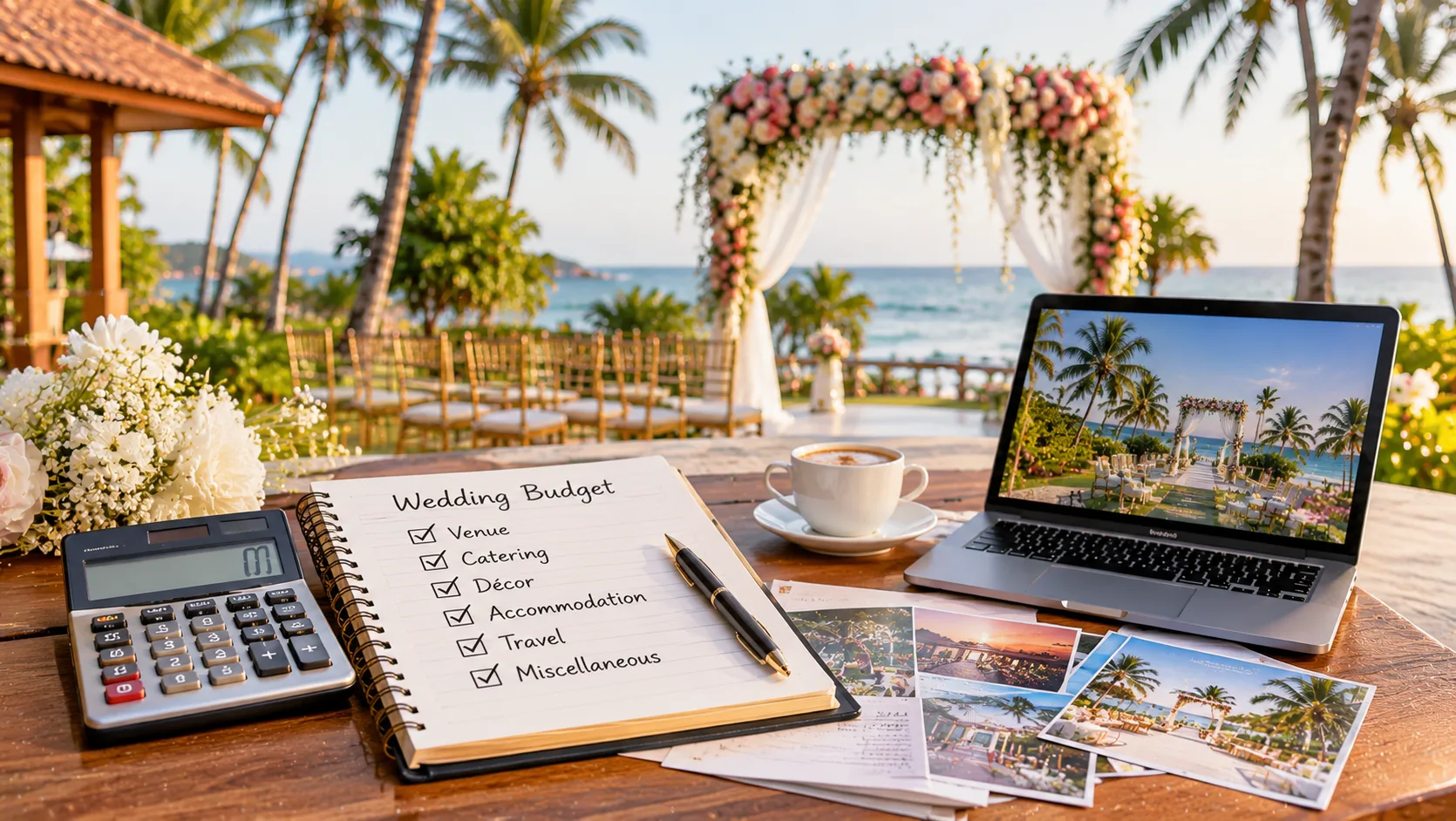
Money decisions shape every part of a Destination wedding in Sri Lanka, from the venue and guest list to the number of days you celebrate. A clear budget does not limit the fun. It simply shows you where your money does the most good and prevents stressful surprises later. This guide explains how to set a total, divide it sensibly and keep track of costs, so every decision feels calm and well informed.
Set a Total Before You Shop
Start by agreeing on one overall figure with everyone who is contributing. Mixed expectations between families are a common source of tension, so talk openly early on. Decide what is fixed and what has some flexibility. Having a single number to work from makes every later choice simpler, because each option can be measured against it.
List Your Priorities
Not everything deserves equal spending. Ask each person to name the three things that matter most, such as the setting, the food, the photographs or the guest experience. Give those areas the largest share, and accept that other areas may need to stay modest. Priorities turn a long list of wishes into a plan you can actually follow.
Know What Drives the Total
Several choices have an outsized effect on cost. The guest count affects food, rooms, transport and decor all at once. The number of days increases accommodation and catering. The season and the day of the week can change availability and rates. The location also matters, since remote properties may add transfer costs. Understanding these drivers helps you adjust the right levers when the numbers feel tight.
Think Beyond the Venue
The venue is only one line. Remember catering, decor and flowers, photography, music, outfits, hair and makeup, stationery, transport, guest welcome items and gifts. Do not forget the costs of travelling for site visits, plus any fees for visas or insurance. Writing out every category, even the small ones, gives you a realistic picture before you commit to anything.
Ask for Itemised Quotes
A single package price can hide what is actually included. Request itemised quotes that list room rates, venue use, catering, taxes, service charges and extras. Ask what happens if extra hours are needed or if the guest count changes. Itemised quotes let you compare vendors fairly and show where you can adjust without losing what matters.
Allow for Currency Changes
If you are paying from abroad, exchange rates can move between the day you agree a price and the day you pay. Ask which currency each vendor quotes in and when payments are due. Consider keeping a small buffer for movement in rates, and check any bank or card charges for international transfers. A little preparation here protects you from an unwelcome jump in the final bill.
Keep a Contingency Fund
Even careful plans meet surprises, such as an extra shuttle, a weather backup or a last minute change in guest numbers. Set aside a portion of your total as a contingency, and treat it as untouchable until it is truly needed. If it is not used, you can enjoy it afterwards. A cushion turns problems into small inconveniences rather than emergencies.
Decide Who Pays for Guests
Travel costs for family and friends can add up quickly. Be clear early about what you will cover, if anything, and what guests will arrange themselves. Some couples help with accommodation, while others share group rates and let guests handle flights. Whatever you choose, communicate it kindly and in writing, so nobody feels uncertain when they plan their trip.
Track Spending in One Place
Use a single shared document to record quotes, deposits, due dates and what has been paid. Update it whenever something changes, and give access to the people who need it. A live record shows how much remains, flags upcoming payments and keeps everyone working from the same numbers. It also makes decisions faster, because you can see the effect of a change immediately.
Read the Terms Before You Pay
Before paying any deposit, go through the payment schedule and cancellation terms. Ask what happens if you change the date, reduce your guest numbers or need to postpone. Find out whether deposits are refundable, partly refundable or non refundable, and confirm everything in writing. If any clause is unclear, consult a qualified advisor. For popular dates, begin planning eight to twelve months ahead.
Quick Answers
What should you do first?
Agree on one total with everyone contributing.
Why ask for itemised quotes?
They show what is included and make comparisons fair.
Is a contingency fund necessary?
Yes, because unexpected costs appear in most events.
How early should you start?
Eight to twelve months ahead is a sensible window.
Final Thoughts
A good budget is a tool for peace of mind. Set a total, name your priorities, request itemised quotes and keep every agreement in writing. When the numbers are clear, the planning becomes lighter, and you can focus on the people and the moments that make the celebration worth remembering.