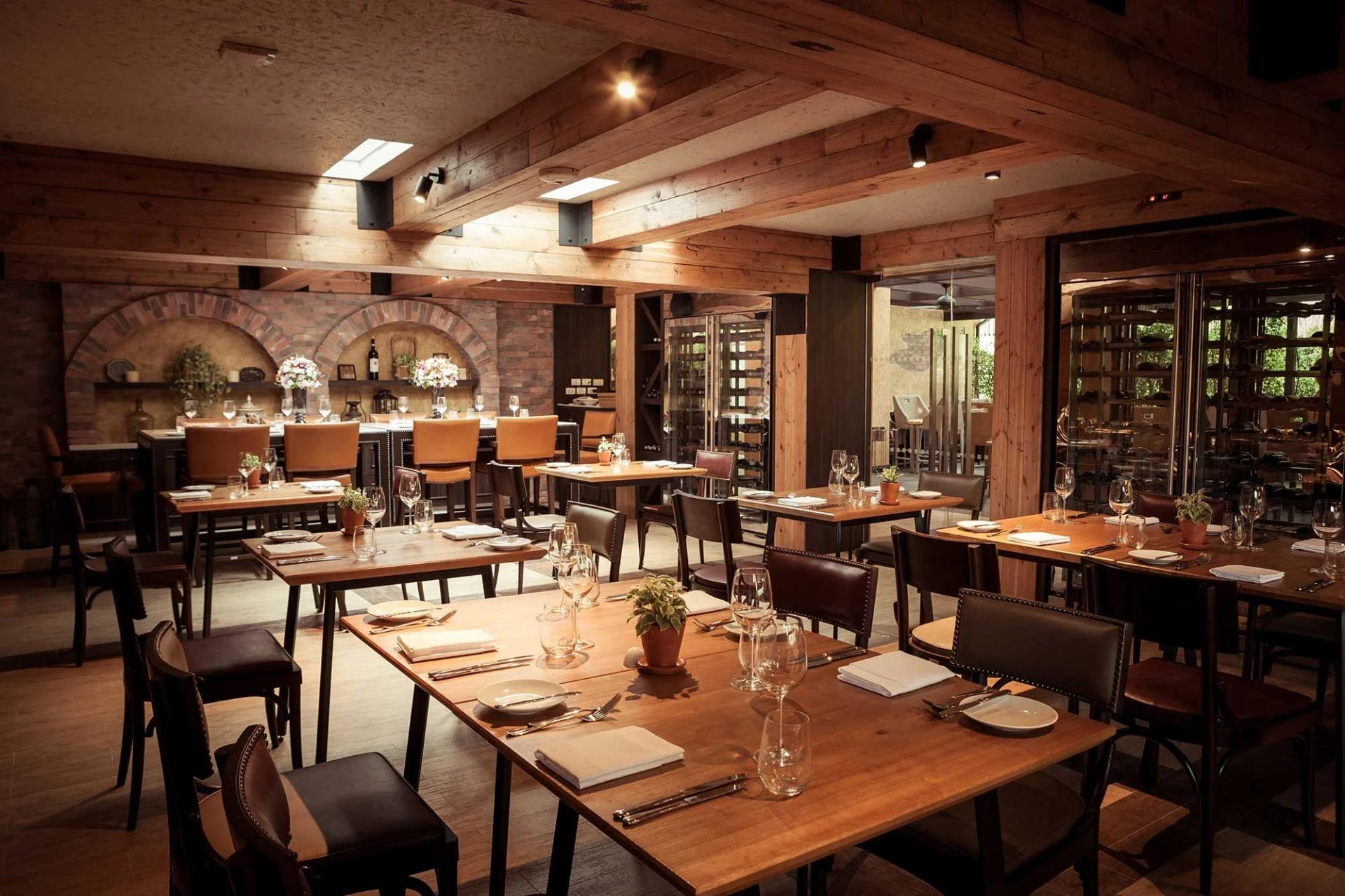
Creating an unforgettable dining experience extends far beyond the culinary offerings on the plate. The interior design of a restaurant serves as the silent narrator of every meal, weaving together elements that speak to the soul before the first bite is taken. In an industry where memories are currency and emotions drive loyalty, the physical space becomes a powerful tool for storytelling, brand differentiation, and customer connection.
Restaurant interior design has evolved into a sophisticated art form that balances aesthetics with functionality, comfort with efficiency, and tradition with innovation. The modern diner seeks more than sustenance; they crave an immersive experience that engages all senses and creates lasting impressions. This demand has pushed designers to think beyond conventional approaches, exploring new ways to manipulate space, light, texture, and flow to create environments that resonate with specific audiences and dining concepts.
Crafting Emotional Landscapes Through Design
The foundation of exceptional restaurant interior design lies in understanding the emotional journey diners embark upon from the moment they cross the threshold. Each design element contributes to a carefully orchestrated symphony of sensations that can evoke feelings of comfort, excitement, sophistication, or nostalgia. The strategic placement of seating areas, the choice of materials, and the interplay of colors all work together to create what designers call "emotional architecture."
Successful restaurant interiors recognize that different dining occasions demand different atmospheric approaches. A space designed for intimate date nights requires softer lighting, more secluded seating arrangements, and acoustic treatments that allow for private conversation. Conversely, venues targeting social gatherings and celebrations benefit from higher energy levels achieved through brighter lighting, communal seating options, and materials that encourage interaction and movement.
The concept of biophilic design has gained significant traction in restaurant interiors, acknowledging humans' innate connection to nature. Incorporating living walls, natural materials like stone and wood, and organic shapes creates environments that feel inherently welcoming and reduce stress levels. Water features, whether subtle or dramatic, add another layer of sensory engagement while providing natural white noise that enhances privacy without complete silence.
Micro-Environments Within Unified Spaces
Contemporary restaurant design increasingly embraces the creation of multiple micro-environments within a single establishment. This approach recognizes that diners have varying preferences for intimacy, energy levels, and social interaction, even within the same restaurant visit. By designing distinct zones with different characteristics, restaurants can accommodate diverse needs while maintaining overall brand coherence.
The bar area often serves as the restaurant's social hub, designed with higher energy and more dynamic lighting to encourage interaction and spontaneous connections. Counter seating facing the kitchen creates theater and engagement, allowing diners to witness the culinary process while fostering a sense of community among strangers. These spaces typically feature harder surfaces and more robust materials that can withstand higher traffic and create the desired acoustic energy.
Dining rooms benefit from more nuanced approaches to zoning, with intimate booths offering privacy, communal tables encouraging social interaction, and standard tables providing flexible options for various party sizes. The key lies in creating smooth transitions between these zones while ensuring each maintains its distinct character and purpose.
Material Stories and Textural Narratives
The selection and application of materials in restaurant interiors serve as powerful storytelling devices that communicate brand values, cultural connections, and quality perceptions. Raw materials like exposed brick, weathered wood, and patinated metals can convey authenticity and craftsmanship, appealing to diners seeking genuine experiences in an increasingly digital world.
Contrast plays a crucial role in material selection, with the juxtaposition of rough and smooth, matte and glossy, warm and cool creating visual interest and depth. The interplay between industrial elements like steel and concrete with softer materials such as fabric and leather creates dynamic tension that keeps spaces visually engaging without overwhelming diners.
Sustainability has become increasingly important in material choices, with many restaurants opting for reclaimed wood, recycled metals, and locally sourced stone. These choices not only reduce environmental impact but also create unique aesthetic opportunities, as reclaimed materials bring history and character that cannot be replicated with new products.
Lighting as Atmospheric Conductor
Lighting design in restaurants functions as the primary conductor of atmosphere, with the ability to dramatically alter mood, perception of space, and even the apparent quality of food. The best restaurant lighting schemes employ multiple layers, combining ambient, task, and accent lighting to create depth and flexibility throughout different times of day and dining occasions.
Natural light, when available, should be harnessed and controlled rather than blocked. Large windows can create connection with the outside world while providing the warm, flattering illumination that makes both food and diners look their best. However, the intensity and direction of natural light must be carefully managed through treatments like adjustable blinds, frosted glass, or strategic placement of design elements.
Artificial lighting systems increasingly incorporate smart technology that allows for seamless transitions throughout the day. Morning coffee service might benefit from brighter, cooler lighting that energizes and awakens, while evening dining calls for warmer, dimmer illumination that promotes relaxation and intimacy. The ability to adjust lighting levels and color temperature without diners noticing the transition has become a hallmark of sophisticated restaurant design.
Acoustic Architecture for Dining Comfort
Sound design in restaurants requires delicate balance between energy and comfort, ensuring spaces feel alive without becoming cacophonous. The modern challenge lies in creating environments where conversation can flow naturally without diners feeling they must raise their voices or strain to hear companions. This balance becomes even more critical as open kitchen concepts and hard surface materials, popular for their aesthetic appeal, can create acoustic challenges.
Strategic use of sound-absorbing materials integrated seamlessly into the design helps manage noise levels without sacrificing aesthetic goals. Upholstered seating, fabric wall treatments, and ceiling installations can significantly improve acoustic comfort while adding textural interest to spaces. The placement of these elements requires careful consideration of both function and form, ensuring they contribute to rather than detract from the overall design vision.
Music selection and sound system design play equally important roles in creating the desired atmosphere. The best systems remain invisible to diners while providing consistent coverage throughout the space. Music should complement rather than compete with conversation, with volume levels that enhance rather than overwhelm the dining experience.
Flow Patterns and Spatial Choreography
The movement of both diners and staff through restaurant spaces requires careful choreographic consideration to ensure smooth operations and comfortable experiences. Traffic flow patterns influence everything from service efficiency to diner comfort, making spatial planning one of the most critical aspects of restaurant interior design.
Entry sequences set the tone for the entire dining experience, with well-designed transition zones that allow diners to adjust from exterior environments while creating anticipation for what lies ahead. Host stations should provide clear sightlines throughout the dining room while offering discrete areas for coat storage and waiting when necessary.
Service corridors and staff movement patterns must be integrated seamlessly into the design without disrupting diner experiences. Clear pathways between kitchen and dining areas, adequate space around tables for service, and strategic placement of service stations all contribute to operational efficiency while maintaining the illusion of effortless hospitality.
Technology Integration Without Intrusion
Modern restaurant design must accommodate increasing technological needs while maintaining the human connections that define exceptional dining experiences. The challenge lies in integrating necessary technology seamlessly into design schemes without allowing digital elements to dominate or distract from the primary purpose of bringing people together over food.
Power access for personal devices has become essential, but integration should feel natural rather than obviously retrofitted. Built-in charging stations at tables and bars, strategically placed outlets that don't interfere with design aesthetics, and wireless charging capabilities embedded in surfaces provide convenience without visual clutter.
Point-of-sale systems, communication devices for staff, and kitchen display systems all require thoughtful integration that supports operations while maintaining design integrity. The most successful integrations render technology nearly invisible to diners while significantly enhancing operational capabilities.
Regional Identity and Cultural Resonance
Restaurant interiors increasingly reflect and celebrate local identity, creating connections between diners and their communities while differentiating establishments in competitive markets. This approach goes beyond superficial decoration to embrace authentic cultural elements, local materials, and regional design traditions that resonate with both residents and visitors.
Working with local artisans, craftspeople, and suppliers not only supports community economies but also creates unique design elements that cannot be replicated elsewhere. Custom furniture pieces, locally created artwork, and regionally sourced materials all contribute to a sense of place that enhances the dining experience and creates memorable impressions.
Historical references, when handled thoughtfully, can create powerful connections between past and present, honoring cultural heritage while serving contemporary needs. The key lies in authentic interpretation rather than literal recreation, allowing historical elements to inform rather than dictate design decisions.
Future-Proofing Through Flexible Design
The restaurant industry's rapid evolution demands interior designs that can adapt to changing needs, trends, and operational requirements without requiring complete renovation. Flexible design approaches incorporate modular elements, adaptable lighting systems, and furniture solutions that can be reconfigured for different purposes or updated to reflect evolving brand directions.
Modular seating systems allow restaurants to accommodate varying party sizes and special events while maintaining consistent aesthetic standards. Tables that can be combined or separated, moveable partitions, and flexible lighting zones all contribute to operational adaptability that extends the lifespan of design investments.
Sustainable Design for Long-Term Success
Environmental consciousness increasingly influences restaurant interior design decisions, with sustainability considerations extending beyond material choices to encompass energy efficiency, waste reduction, and longevity planning. Sustainable design approaches often align with cost-effective operations, creating win-win scenarios for environmental and financial considerations.
Energy-efficient lighting systems, properly insulated spaces, and smart building technologies reduce operational costs while minimizing environmental impact. When boise catering restaurants and dining establishments nationwide adopt these practices, they demonstrate commitment to community values while positioning themselves for long-term success in increasingly environmentally conscious markets.
Durability considerations in material selection and furniture choices reduce replacement needs while maintaining aesthetic appeal over time. Quality investments in foundational elements like flooring, wall treatments, and built-in fixtures provide better long-term value than frequent updates of less durable options.
Conclusion
Restaurant interior design has emerged as a critical differentiator in an increasingly competitive hospitality landscape, with the power to transform dining from mere sustenance into memorable experiences that foster emotional connections and encourage repeat visits. The most successful designs seamlessly blend aesthetic appeal with operational functionality, creating environments that serve both diners and staff while supporting business objectives.
The future of restaurant interior design lies in understanding that atmosphere cannot be achieved through any single element but rather emerges from the thoughtful integration of all design components working in harmony. From the initial material selections through the final lighting adjustments, every decision contributes to the overall experience that diners will remember long after their meal concludes.
As the industry continues to evolve, designers who embrace innovation while respecting fundamental principles of hospitality and human comfort will create the restaurants that define dining experiences for future generations. The investment in thoughtful, well-executed interior design pays dividends not only in immediate customer satisfaction but in the long-term success and sustainability of restaurant enterprises that understand the power of place in creating lasting connections between food, space, and community.