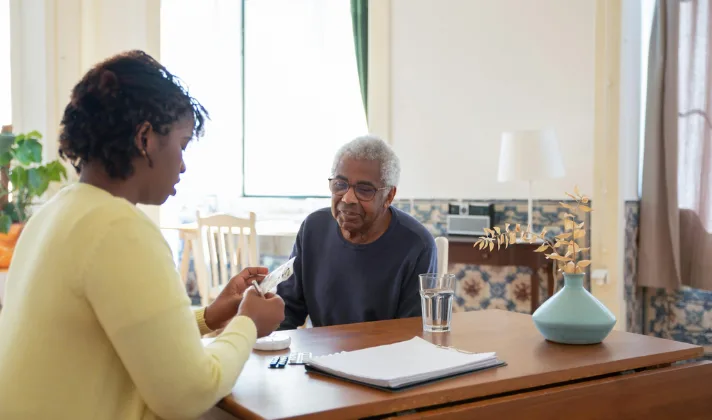

Depression is not a normal part of aging, yet it affects millions of seniors each year. Unfortunately, it often goes unnoticed or untreated because the signs can be mistaken for other health issues or even aging itself. If you or a loved one is experiencing symptoms of depression, early support can make all the difference. This guide explores the warning signs, available support, and effective treatment options for seniors facing depression.
Understanding Depression in Older Adults
While occasional sadness is a part of life, clinical depression is a serious condition that requires medical attention. For seniors, it can stem from a variety of causes, including:
Loss of a spouse or close friends
Chronic illness or pain
Social isolation or loneliness
Reduced independence
Major life changes (e.g., retirement or relocation)
It’s important to know that depression is treatable at any age. A trusted healthcare provider, like a primary care doctor in Montebello, can help assess symptoms and guide treatment.
Common Signs of Depression in Seniors
Depression can look different in older adults than in younger individuals. Watch for these common symptoms:
Persistent sadness, hopelessness, or irritability
Loss of interest in hobbies or social activities
Fatigue or low energy
Trouble concentrating or making decisions
Changes in appetite or weight
Difficulty sleeping or sleeping too much
Physical aches and pains with no clear cause
Thoughts of death or suicide
Natural question:
"Is it normal for seniors to feel tired or sad all the time?"
No. These symptoms could indicate depression and should be discussed with a healthcare provider.
When to See a Primary Care Doctor
If you notice ongoing signs of depression in yourself or a loved one, don’t wait to seek help. A primary care doctor in Montebello can provide an initial evaluation, rule out other medical conditions, and recommend appropriate next steps.
Why see a primary care doctor first
They know your health history
They can assess both physical and mental health
They can coordinate with mental health professionals if needed
Early intervention often leads to better outcomes, especially when depression is linked to other chronic conditions like diabetes, heart disease, or arthritis.
Support and Treatment Options
Treatment for depression in seniors can be highly effective. A combination of medical, psychological, and social support often works best:
1. Medication
Antidepressants can help restore chemical imbalances in the brain. Your doctor will consider your age, other medications, and medical history before prescribing.
2. Therapy
Talk therapy (such as cognitive behavioral therapy) is especially helpful in teaching coping skills and changing negative thought patterns.
3. Lifestyle Changes
Daily physical activity, even walking
Healthy, well-balanced diet
Engaging in hobbies or volunteer work
Regular social interaction with friends or family
4. Community Resources
Many local organizations offer senior support groups, counseling, and wellness activities. Ask your primary care doctor in Montebello for referrals to senior-focused programs in your area.
Supporting a Loved One with Depression
If you're caring for an older loved one, be compassionate and proactive:
Encourage open conversations about how they’re feeling
Offer to attend doctor appointments with them
Help them stay connected to friends and community
Celebrate small victories and progress in their recovery
Final Thoughts: Help Is Always Available
Depression in seniors is common—but it is also treatable. No one should have to suffer in silence. If you or someone you care about is struggling, reach out to a primary care doctor in Montebello for support and guidance. With the right care, seniors can enjoy a healthier, more fulfilling life.