What Are Dental Scissors?
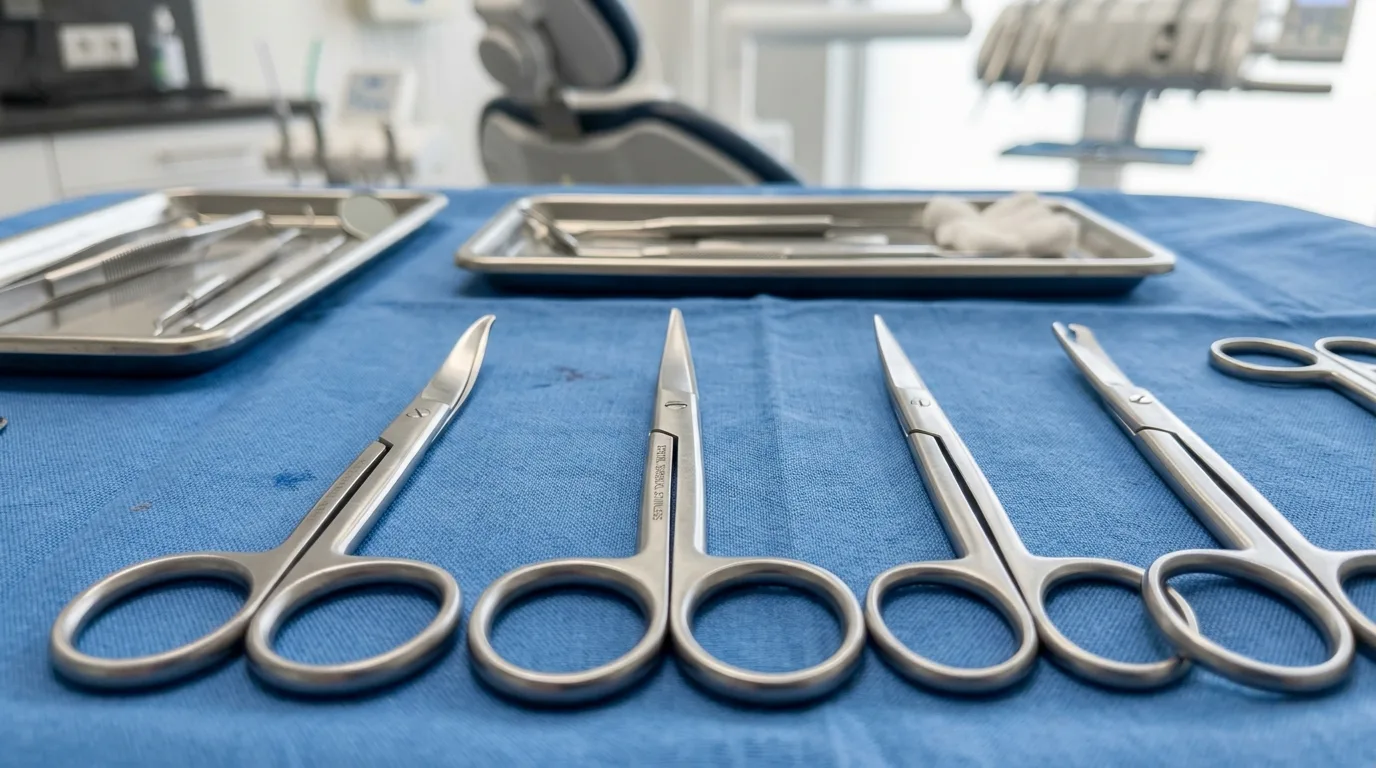
Dental scissors are handheld cutting instruments designed for oral procedures. They trim sutures, cut soft tissue, and shape dental materials. Surgeons also use them in periodontal and implant work. The blades come in many shapes for different tasks. Some curve for better access. Others stay straight for precise cuts. Every dental office needs a few reliable pairs on hand.
Why Quality Dental Scissors Matter
Dull scissors ruin good work. They tear tissue instead of cutting it cleanly. That causes more trauma and slower healing. Sharp scissors make every cut smooth and controlled. They reduce patient discomfort and speed up procedures. Good scissors also last longer and need fewer replacements. That saves money over time. Quality matters more than most people realize.
How to Find a Reliable Dental Instrument Supplier
Start your search with certifications. Look for FDA registration and ISO certification. These documents prove a supplier meets strict safety and quality standards. Next, check the company's experience. A manufacturer serving dentists and surgeons since 1985 understands real clinical needs. MedKraft Orthodontics supplies practices across the United States and Europe with certified instruments. Our track record speaks for itself.
What to Look for in a Supplier
Quality should guide your choice. Ask about the steel grade used in manufacturing. Premium steel holds a sharp edge through repeated use and sterilization. Check the handle design for comfort and control. A well-balanced tool reduces hand fatigue during long procedures. Ask about shipping times to your region. A supplier with strong logistics keeps your practice running without delays.
Manufacturing and Quality Control
Great dental scissors start with great manufacturing. Production combines precision machinery with skilled hand work. Each pair passes through multiple inspection points. The goal is a clean, effortless cut every time. We use surgical-grade stainless steel for durability. Our blades stay sharp through many sterilization cycles. That reliability matters when you cut delicate tissue all day.
Quality control separates good instruments from poor ones. Every blade must align perfectly and cut cleanly. The joint must open and close smoothly. Any flaw affects your work on patients. We inspect each instrument before it ships. This step protects your patients and your reputation. Never settle for uncertified tools.
Materials, Shipping, and Pricing
The best dental scissors use high-grade stainless steel and tungsten carbide. Tungsten carbide blades hold their edge far longer than standard steel. Many of our models feature ergonomic handles for comfort. Some include curved tips for better access. Good craftsmanship shows in the details. A smooth finish and tight assembly both matter. When you buy from a certified maker, you get these details.
Fast delivery keeps your schedule intact. We ship to major cities across the United States and Europe. Orders arrive quickly and safely. We package instruments carefully to prevent damage. Tracking keeps you informed at every step. When you order now on our website, you get dependable service from start to finish.
Price matters, but value matters more. A cheap pair that dulls quickly costs you more over time. Our instruments offer competitive pricing without cutting corners. You pay for quality steel, expert manufacturing, and dependable performance. We also offer bulk pricing for larger practices. Contact us to learn about current rates and special offers.
How This Tool Improves Patient Care
Better tools lead to better care. Sharp scissors make clean cuts that reduce trauma and speed healing. Patients feel less discomfort during and after procedures. That builds trust and encourages referrals. The tool also reduces chair time. You can see more patients without sacrificing quality. One satisfied customer, Dr. Laura Simmons from Chicago, put it simply: "These scissors cut cleanly every time, and they still feel sharp after months of daily use. I will order again."
Maintenance and Common Mistakes to Avoid
Proper care extends instrument life. Clean your scissors after every use. Follow the manufacturer's sterilization guidelines. Store them in a dry, safe place. Inspect blades regularly for wear or nicks. Replace or sharpen when needed. A little maintenance goes a long way.
Many dentists buy cheap instruments to save money. This often backfires. Dull scissors tear tissue and frustrate patients. Others ignore certifications and end up with tools that rust or break. Some forget to check shipping times. Long delays disrupt schedules. Avoid these mistakes by choosing a trusted, certified supplier.
Frequently Asked Questions
What are dental scissors used for?
They trim sutures, cut soft tissue, and shape dental materials during oral and periodontal procedures.
How do I choose the right dental scissors?
Look for surgical-grade stainless steel, sharp aligned blades, and ergonomic handles from a certified supplier.
Why should I buy from an FDA and ISO certified manufacturer?
Certified manufacturers follow strict quality and safety standards, ensuring reliable instruments and better patient outcomes.
How fast can I receive my order in the United States or Europe?
Shipping times vary, but our logistics network delivers quickly to major cities across both regions.
What is the price range for quality dental scissors?
Pricing depends on materials and features, but we offer competitive rates and bulk discounts for larger practices.