Introduction
Missing teeth can affect your confidence, oral health, and ability to chew or speak properly. Dental bridges offer a reliable solution to restore your smile. If you’re considering dental restoration options, understanding the different types of dental bridges and their benefits can help you make an informed decision. Whether you’re looking for Dental Implants in Montebello or traditional bridgework, this guide will walk you through the essentials.
What Are Dental Bridges?
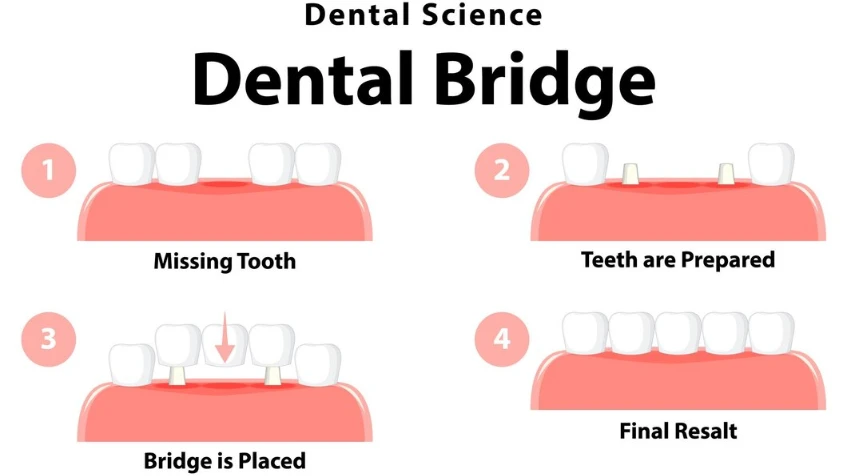
A dental bridge is a prosthetic device used to replace missing teeth by anchoring artificial teeth to adjacent natural teeth or dental implants. Bridges help maintain facial structure, improve speech, and restore functionality to your bite.
Types of Dental Bridges
1. Traditional Dental Bridges
Description: Traditional bridges consist of a false tooth (pontic) held in place by dental crowns on the adjacent teeth.
Best For:
- Patients with natural teeth on both sides of the gap.
- Replacing one or more missing teeth.
Benefits:
- Strong and durable.
- Restores full chewing function.
- Provides a natural appearance.
2. Cantilever Dental Bridges
Description: Similar to traditional bridges, but they are supported by a crown on only one adjacent tooth.
Best For:
- Patients with only one natural tooth next to the missing tooth.
- Areas of the mouth with minimal chewing pressure.
Benefits:
- Requires less preparation of surrounding teeth.
- Good alternative when only one supporting tooth is available.
3. Maryland Bonded Bridges
Description: Uses a metal or porcelain framework bonded to the back of adjacent teeth instead of crowns.
Best For:
- Front teeth replacement.
- Patients seeking a less invasive procedure.
Benefits:
- Minimal alteration of natural teeth.
- A cost-effective alternative to traditional bridges.
- Provides a natural look without extensive dental work.
4. Implant-Supported Bridges
Description: Uses dental implants instead of natural teeth to support the bridge.
Best For:
- Patients missing multiple teeth in a row.
- Individuals looking for a long-term, stable solution.
Benefits:
- Extremely stable and durable.
- Helps prevent bone loss in the jaw.
- Doesn’t require alteration of adjacent teeth.
Benefits of Dental Bridges
1. Restores Your Smile
A complete set of teeth enhances confidence and improves facial aesthetics.
2. Improves Chewing and Speaking Abilities
Missing teeth can make chewing difficult and affect speech clarity. A dental bridge helps restore these functions.
3. Prevents Teeth Shifting
When a tooth is missing, adjacent teeth may shift into the gap, leading to misalignment. Bridges help maintain proper tooth alignment.
4. Long-Lasting Solution
With proper care, dental bridges can last 10-15 years or more, making them a worthwhile investment.
5. Enhances Oral Health
Filling the gaps left by missing teeth reduces the risk of gum disease and cavities.
Choosing the Right Dental Bridge
When selecting a dental bridge, consider factors like durability, aesthetics, and maintenance. Consulting with a professional dentist, especially one specializing in Dental Implants in Montebello, can help you find the best option for your needs.
Conclusion
Dental bridges are an excellent solution for replacing missing teeth, improving oral health, and restoring confidence. Whether you opt for a traditional bridge or an implant-supported one, the right choice depends on your specific dental needs. If you’re looking for expert advice, schedule a consultation with a trusted dental professional to explore the best dental bridge options for you.