Over the past decade, blockchain technology has introduced several innovations that challenge traditional financial systems. One of the most transformative developments is Decentralized Finance, commonly known as DeFi. This new financial model uses blockchain networks and smart contracts to deliver financial services without relying on centralized intermediaries like banks or payment processors.
DeFi development is quickly gaining traction among startups, enterprises, and developers who want to build secure and transparent financial platforms. From decentralized exchanges to crypto lending protocols, DeFi is redefining how people access and manage financial services worldwide.
In this article, we explore how DeFi development works, its key benefits, major use cases, and why it is shaping the future of the digital economy.
Understanding the Concept of DeFi
Decentralized Finance refers to a collection of financial applications built on blockchain technology. Instead of relying on traditional institutions, these platforms use smart contracts to automatically execute financial transactions.
Most DeFi applications operate on blockchain networks such as Ethereum, which provides the infrastructure needed to create decentralized applications (dApps).
Key characteristics of DeFi include:
- Decentralization – No central authority controls the system
- Transparency – Transactions are recorded on a public blockchain
- Accessibility – Anyone with internet access can participate
- Automation – Smart contracts manage financial processes automatically
These features enable users to access financial services without geographical or institutional barriers.
Why DeFi Development Is Growing Rapidly
The demand for DeFi development solutions has increased significantly due to several advantages compared to traditional financial systems.
Greater Financial Accessibility
Millions of people worldwide remain unbanked or underbanked. DeFi platforms provide access to financial tools using only a digital wallet and an internet connection.
Lower Transaction Costs
Traditional banking systems involve multiple intermediaries, which increases operational costs. DeFi eliminates many of these intermediaries, allowing users to perform transactions with reduced fees.
Improved Transparency
Since blockchain transactions are recorded on a public ledger, users can verify financial activity easily. This level of transparency helps build trust within the ecosystem.
Continuous Innovation
Developers continuously introduce new financial models such as automated market makers, yield farming strategies, and decentralized governance systems.
Key Applications of DeFi Platforms
DeFi development supports a wide range of innovative financial services. Some of the most widely used applications include:
Decentralized Exchanges (DEXs)
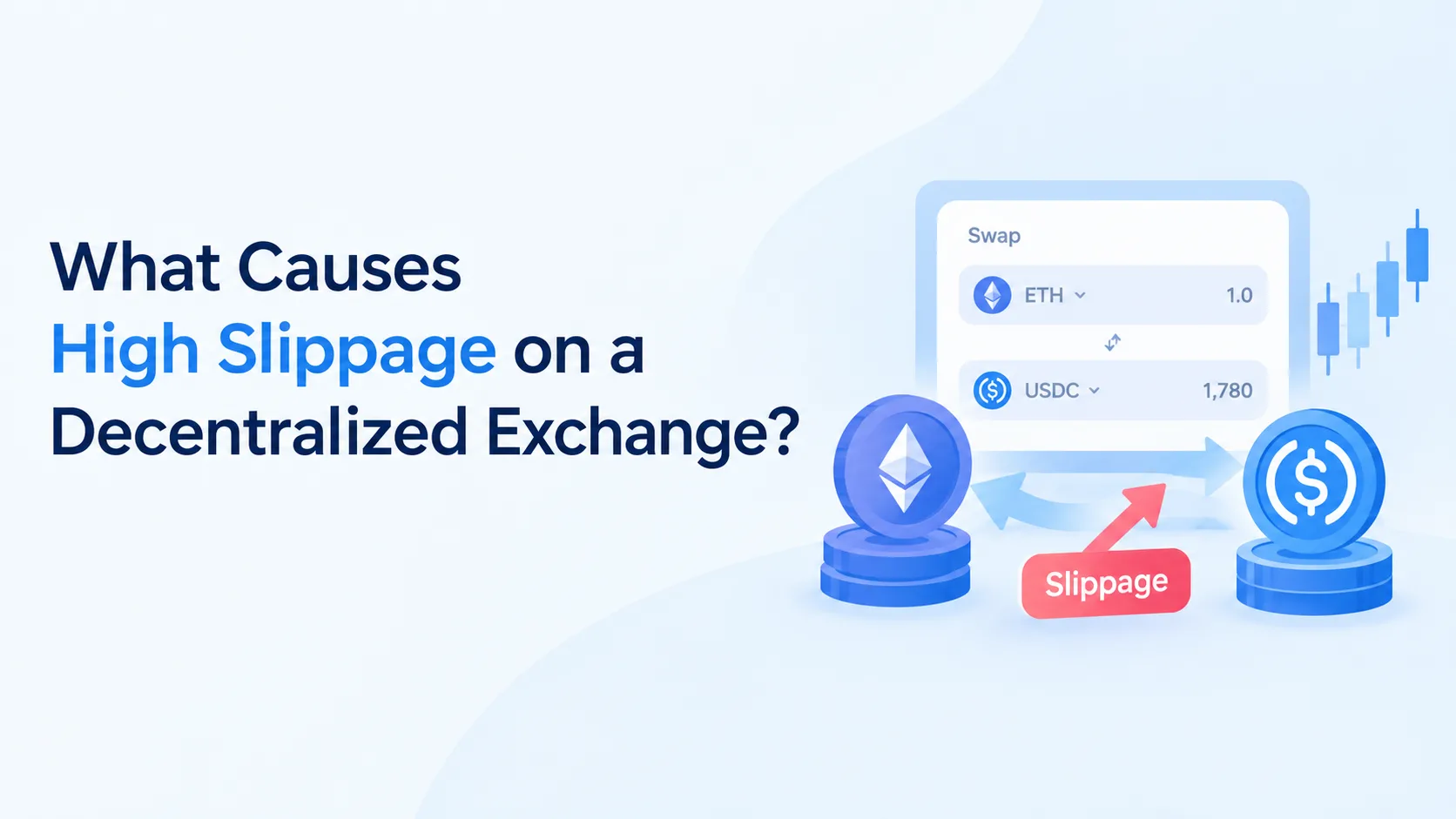
DEX platforms allow users to trade cryptocurrencies directly from their wallets without relying on centralized exchanges. Transactions are executed through smart contracts.
Crypto Lending and Borrowing
DeFi lending platforms allow users to lend digital assets and earn interest or borrow funds by providing cryptocurrency collateral.
Yield Farming and Liquidity Mining
Users can earn rewards by providing liquidity to DeFi protocols. These incentives encourage participation and help maintain liquidity within the ecosystem.
Stablecoins
Stablecoins are digital assets designed to maintain stable value by being pegged to fiat currencies. They play a vital role in reducing volatility within DeFi systems.
Technologies Behind DeFi Development
Building a secure and scalable DeFi platform requires a strong technical foundation. Several technologies power modern DeFi applications.
Smart Contracts
Smart contracts are self-executing programs that automate transactions when certain conditions are met. They remove the need for manual processing and reduce the chances of human error.
Blockchain Networks
Different blockchain platforms support DeFi development, including:
- Ethereum
- Polygon
- BNB Chain
Each network offers unique advantages in terms of speed, scalability, and transaction costs.
Crypto Wallet Integration
Users interact with DeFi platforms through digital wallets. Popular wallets include:
- MetaMask
- Trust Wallet
These wallets allow users to store digital assets and securely sign blockchain transactions.
Challenges in DeFi Development
Despite its rapid growth, DeFi development still faces several challenges that developers must address.
Security Vulnerabilities
Smart contract bugs can lead to financial losses if exploited by malicious actors. Thorough testing and security audits are essential.
Scalability Limitations
Some blockchain networks experience congestion during periods of high demand, leading to higher transaction fees.
Regulatory Uncertainty
Governments worldwide are still working on regulatory frameworks for decentralized financial services.
Addressing these issues will be critical for the long-term sustainability of the DeFi ecosystem.
The Role of Professional DeFi Development Teams
Developing a successful DeFi platform requires expertise in blockchain architecture, smart contract programming, and security practices. Many organizations collaborate with experienced blockchain development firms to accelerate their projects.
For example, Nadcab Labs provides blockchain consulting and development services for startups and enterprises exploring decentralized finance solutions. Such teams help businesses design secure protocols, build scalable applications, and deploy reliable smart contract infrastructures.
The Future of DeFi
The future of decentralized finance appears promising as blockchain technology continues to evolve. Emerging trends such as cross-chain interoperability, decentralized identity systems, and advanced layer-2 scaling solutions are expected to enhance the DeFi ecosystem even further.
As adoption grows, DeFi platforms may redefine the way financial services are delivered globally, making finance more transparent, accessible, and efficient.
Developers and businesses that embrace DeFi development company today have the opportunity to contribute to a financial system that is more open and inclusive for users around the world.