
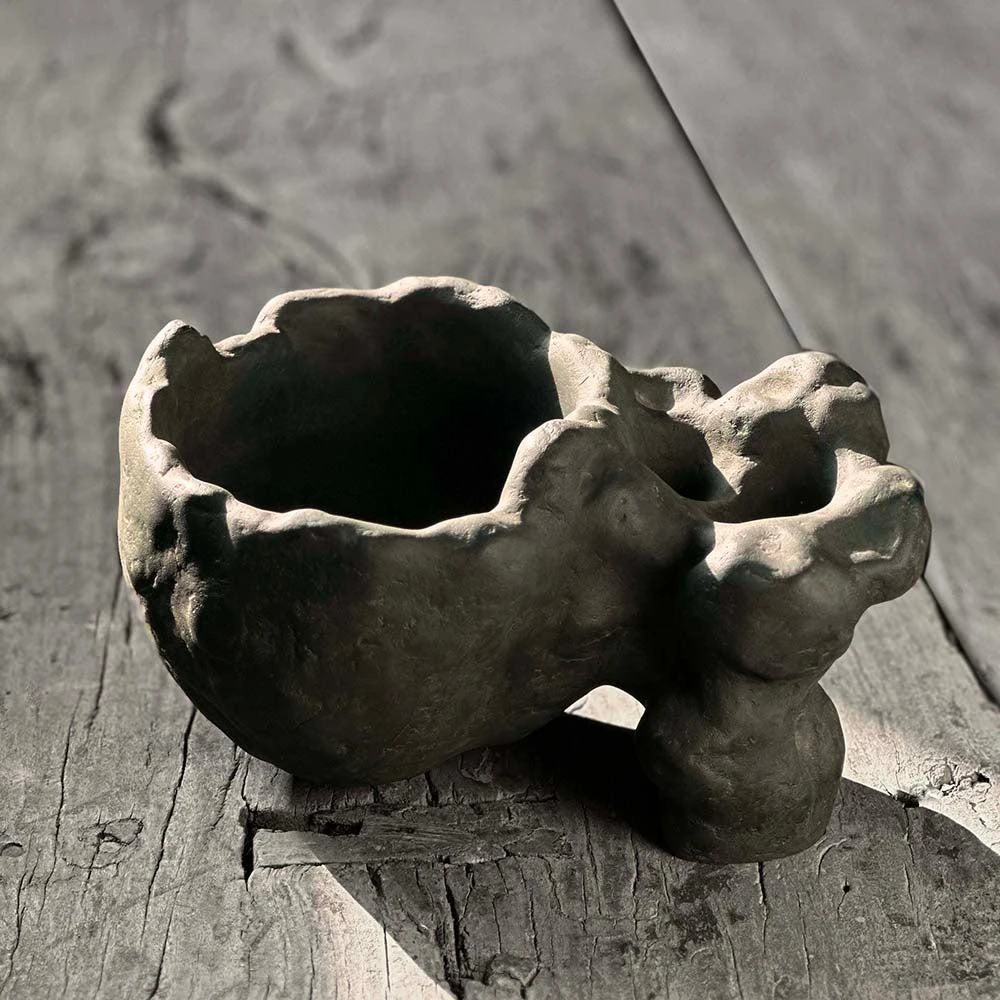
Decorative objects are more than just finishing touches—they are essential elements of interior design that bring character, charm, and depth to your living space. From elegant sculptures and vases to quirky figurines and statement centerpieces, Decorative Objects help transform a house into a home by reflecting your taste and adding a sense of individuality.
What Are Decorative Objects?
Decorative objects are items used primarily for aesthetic purposes in a room’s design. Unlike functional furniture, these pieces are chosen for their visual appeal, craftsmanship, and ability to elevate the atmosphere of a space. They range from small table accents to large statement pieces and are found in various styles, materials, and themes.
Importance of Decorative Objects in Interior Design
1. Express Personal Style
Decorative objects allow you to showcase your personality and preferences—be it minimalist, bohemian, modern, vintage, or eclectic.
2. Add Layers and Texture
Incorporating items with different shapes, materials, and finishes (wood, glass, ceramic, metal, fabric) adds dimension and texture, making the space feel more dynamic and complete.
3. Enhance Focal Points
Strategically placed objects can highlight key areas in a room, such as coffee tables, shelves, mantels, or entryways, drawing the eye and creating visual balance.
4. Create a Story or Theme
Grouped items with a common theme or color palette can tell a story, unify a room’s look, and reinforce a design theme (e.g., coastal, rustic, or industrial).
Popular Types of Decorative Objects
- Vases and Bowls
- Perfect for displaying fresh flowers, dried arrangements, or as standalone artistic pieces.
- Sculptures and Figurines
- From classical busts to abstract forms, sculptures add sophistication and artistic flair.
- Candles and Holders
- Add warmth, light, and a cozy ambiance with scented or decorative candles in stylish holders.
- Wall Art and Mirrors
- Beyond paintings, wall décor includes woven pieces, clocks, or decorative mirrors that enhance light and space.
- Books and Bookends
- Stacked books add character and intellect, especially when paired with stylish bookends.
- Trays and Decorative Boxes
- These functional accents also serve as beautiful displays for other small items.
- Ornaments and Collectibles
- Unique finds, souvenirs, or heirloom pieces add sentimental value and uniqueness.
Tips for Decorating with Objects
- Less is More: Avoid overcrowding. Choose a few impactful pieces rather than cluttering every surface.
- Group in Odd Numbers: Arrangements of three or five are often more visually appealing.
- Vary Heights and Textures: Mix tall and short items with smooth and rough textures to create interest.
- Stick to a Theme or Palette: Keep your objects cohesive with your room’s overall color scheme or design style.
Ideal Spaces to Use Decorative Objects
- Living Room: Coffee tables, shelves, and mantels are perfect spots for curated displays.
- Bedroom: Bedside tables and dressers benefit from soft lighting, candles, or personal items.
- Dining Area: Centerpieces or sculptural pieces enhance table settings.
- Entryway: First impressions count—a console table with a few elegant accents sets the tone.
- Bathrooms: Small vases, trays, or diffusers can make even compact spaces feel luxe.
Conclusion
Decorative objects are the soul of home decor. They infuse a space with warmth, creativity, and character, turning an ordinary room into a personalized sanctuary. Whether you prefer bold statement pieces or subtle accents, the key is to choose items that resonate with you and complement your space.