Ever found yourself staring at a document in a language you don't understand, knowing it holds the key to something important? Maybe it's a birth certificate for immigration, a contract for a business deal, or academic transcripts for studying abroad. In these moments, simply running it through an online translator won't cut it. You need an official translation, and that's where the crucial role of sworn translators comes into play.
Let's dive into why these professionals are so vital, and how they ensure your documents are legally sound and universally accepted.
What Exactly is "Official Translation"?
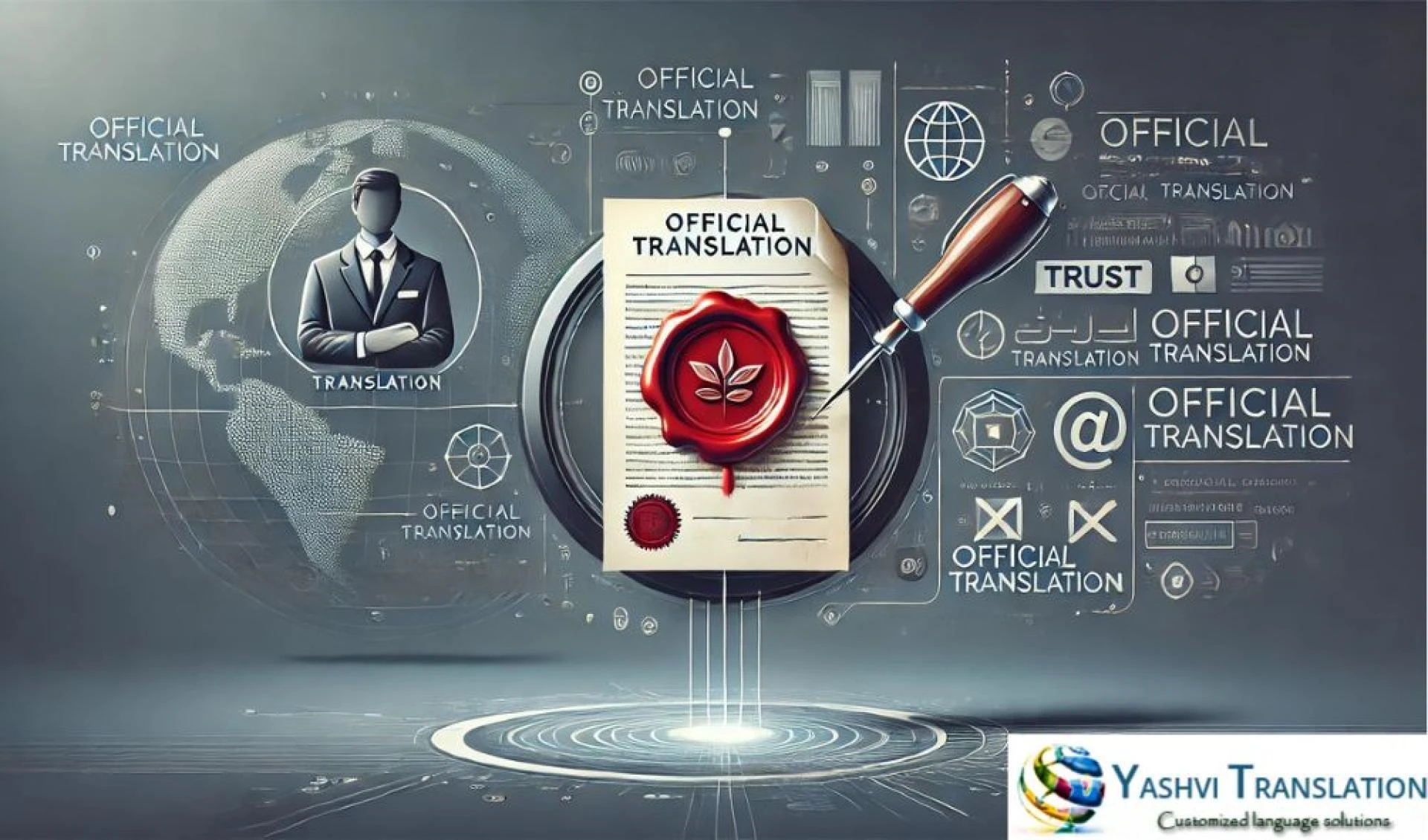
When we talk about official translation, we're referring to translations that carry legal weight. They're not just accurate in terms of language; they're also certified and recognized by authorities, be it government agencies, courts, or educational institutions. This is crucial for documents that require proof of authenticity and accuracy.
Why is this important? Imagine submitting a translated marriage certificate for a visa application, only to have it rejected because it wasn't done by a certified professional. That's where the need for "official translation" and the expertise of sworn translators becomes clear.
Sworn Translators: The Guardians of Linguistic Accuracy
So, who are these sworn translators, and what makes them so special?
- Certified Professionals: Sworn translators are not just bilingual; they've undergone rigorous testing and certification processes. In many countries, they must pass exams demonstrating their linguistic proficiency and legal knowledge. This certification is often granted by a court, a government body, or a recognized professional association.
- Legal Responsibility: They take an oath (hence the term "sworn") to provide accurate and faithful translations. This oath carries legal weight, meaning they can be held accountable for any errors or misrepresentations in their work.
- Authorized Signatures and Seals: Sworn translations typically include the translator's official signature, seal, and a declaration of accuracy. These elements add credibility and ensure the document's legal validity.
How Are Sworn Translators Certified?
The certification process varies by country, but it generally involves:
- Linguistic Proficiency Tests: Demonstrating mastery of both the source and target languages.
- Legal Knowledge Assessments: Understanding legal terminology and the implications of translating legal documents.
- Background Checks: Ensuring the translator's integrity and trustworthiness.
- Oath Taking: Formally swearing to provide accurate and impartial translations.
This rigorous process ensures that only the most qualified individuals are authorized to provide sworn translations.
Why You Can't Rely on Just Any Translation
While online translation tools and freelance translators can be useful for general communication, they often fall short when it comes to official documents. Here's why:
- Lack of Legal Recognition: Translations from uncertified sources may not be accepted by authorities.
- Accuracy Concerns: Automated tools can make errors, especially with complex legal or technical language.
- Confidentiality Risks: Sharing sensitive documents with unverified translators can pose a security risk.
- No Legal accountability: If an error occurs, there is little to no recourse.
When Do You Need an "Official Translation"?
You'll likely need a sworn translation for documents related to:
- Immigration: Birth certificates, marriage certificates, diplomas, etc.
- Legal Proceedings: Contracts, court documents, witness statements.
- Education: Academic transcripts, diplomas, certificates.
- Business: Contracts, patents, financial statements.
- Government Services: Official documents required for various applications.
Finding a Reputable Sworn Translator
When searching for a sworn translator, consider these factors:
- Certification: Verify their credentials and ensure they're recognized by the relevant authorities.
- Experience: Look for translators with experience in your specific field or document type.
- Reputation: Read reviews and testimonials from previous clients.
- Confidentiality: Ensure they have strict confidentiality policies in place.
- Professional Organizations: Check with professional translator organizations for recommended professionals.
In Conclusion
When dealing with important documents that require legal recognition, don't leave anything to chance. Opt for an official translation provided by a certified sworn translator. Their expertise and legal responsibility ensure that your documents are accurate, reliable, and accepted by authorities worldwide. By understanding the role of these professionals, you can navigate complex translation needs with confidence and peace of mind.