The Microscopic Origins of Life and the Scope of Biology
Imagine a single cell — barely visible to the naked eye — yet it holds the blueprint for all forms of life on Earth. This simple unit, the cell, is the cornerstone of biology, the science dedicated to understanding living systems from the molecular to the ecosystem level. Biology, as a discipline, encompasses everything from the structure of DNA to the complex interactions of species within ecosystems.
Biology’s breadth is staggering: it covers molecular biology, genetics, physiology, ecology, evolutionary biology, and more. In 2026, the field is no longer confined to classical study but integrates cutting-edge technologies like CRISPR gene editing, synthetic biology, and computational modeling. This comprehensive guide aims to unpack biology’s core principles, trace its historical roots, analyze current trends, and explore future prospects.
“Biology is the study of complicated things that have the appearance of having been designed with a purpose.” – Richard Dawkins
Historical Milestones and the Evolution of Biological Understanding
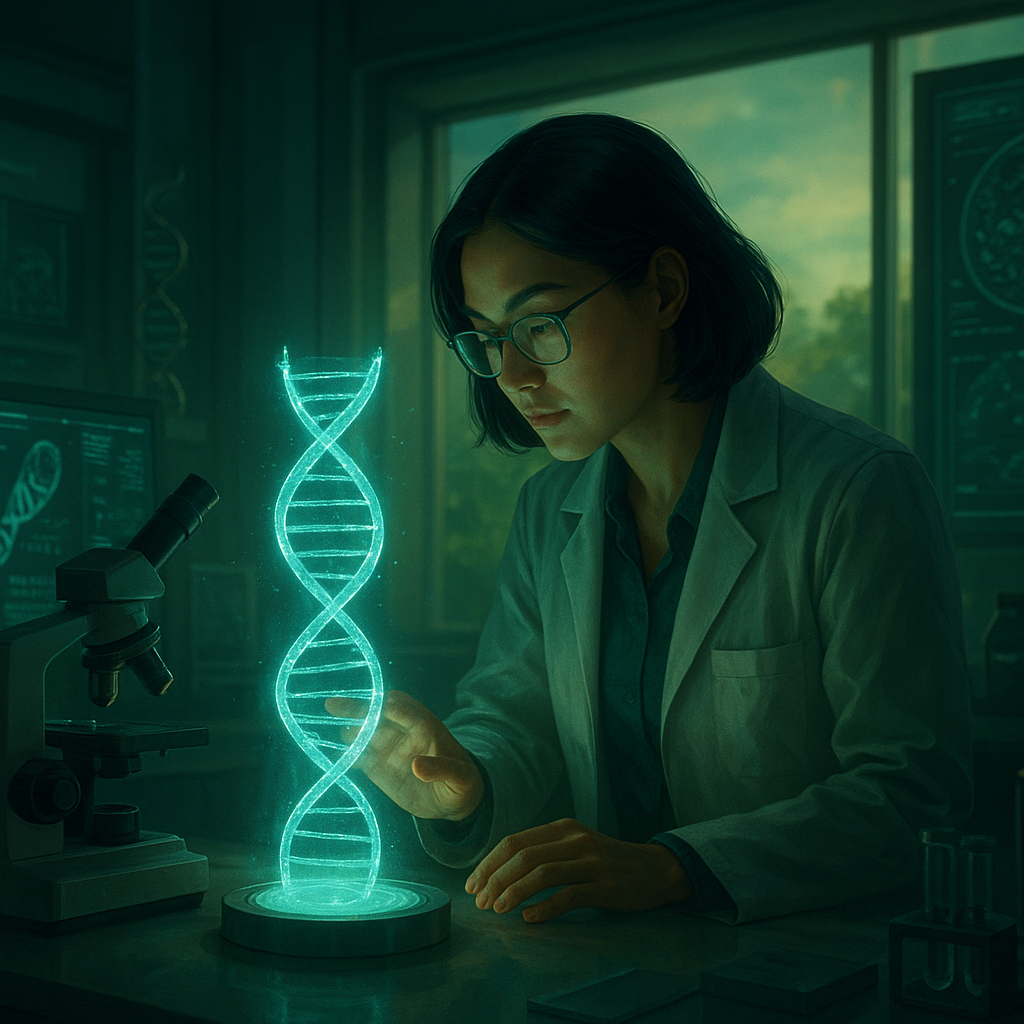
The journey to modern biology began with early naturalists, but the 19th century marked a turning point with the formulation of cell theory and Darwin’s theory of evolution by natural selection. These discoveries provided a framework for understanding life’s diversity and unity. By the 20th century, the discovery of DNA’s double helix by Watson and Crick in 1953 revolutionized biology, linking genetics with molecular mechanisms.
Subsequent decades saw the rise of molecular biology, with technologies like PCR enabling scientists to amplify and study genes with unprecedented precision. The Human Genome Project, completed in 2003, was a landmark achievement revealing the entire sequence of human DNA, opening pathways for personalized medicine and biotechnology.
- 1838-1839: Matthias Schleiden and Theodor Schwann propose cell theory.
- 1859: Charles Darwin publishes On the Origin of Species.
- 1953: Discovery of DNA structure.
- 2003: Completion of the Human Genome Project.
These milestones illustrate biology’s trajectory from descriptive natural history to a data-driven, mechanistic science. The integration of computational biology and artificial intelligence in the 2020s has accelerated discoveries, making biology a truly interdisciplinary field.
Core Biological Concepts and Systems: From Molecules to Ecosystems
At its core, biology studies life’s fundamental units and systems. The molecular level focuses on nucleic acids, proteins, lipids, and carbohydrates — the biomolecules that constitute all organisms. DNA stores genetic information, RNA translates it, and proteins execute cellular functions. Cellular processes such as metabolism, signal transduction, and cell division maintain life’s continuity.
Cells organize into tissues, organs, and systems in multicellular organisms. Physiology explores these systems, from neural networks enabling cognition to circulatory systems transporting nutrients. Evolutionary biology examines how genetic variation and natural selection drive species adaptation over time.
Ecology expands the scope, studying interactions among organisms and their environments. This includes biomes, biodiversity, and the impact of human activity on ecosystems. Understanding these relationships is critical for conservation and addressing climate change.
- Genetics: Study of heredity and gene function.
- Cell Biology: Examination of cell structure and function.
- Physiology: How organisms function and maintain homeostasis.
- Evolutionary Biology: Mechanisms of species change over time.
- Ecology: Interactions within ecosystems and environment.
“To study biology is to unlock the secrets of life’s complexity across scales, from atoms to ecosystems.” – Dr. Elena Martinez, Molecular Biologist
Revolutionizing Life Sciences: Breakthroughs and Challenges in 2026
Recent breakthroughs have reshaped biological research and application. CRISPR-based gene editing has matured, enabling precise therapeutic interventions for genetic diseases. Synthetic biology has advanced to engineer microorganisms that produce biofuels, medicines, and biodegradable materials, addressing sustainability challenges.
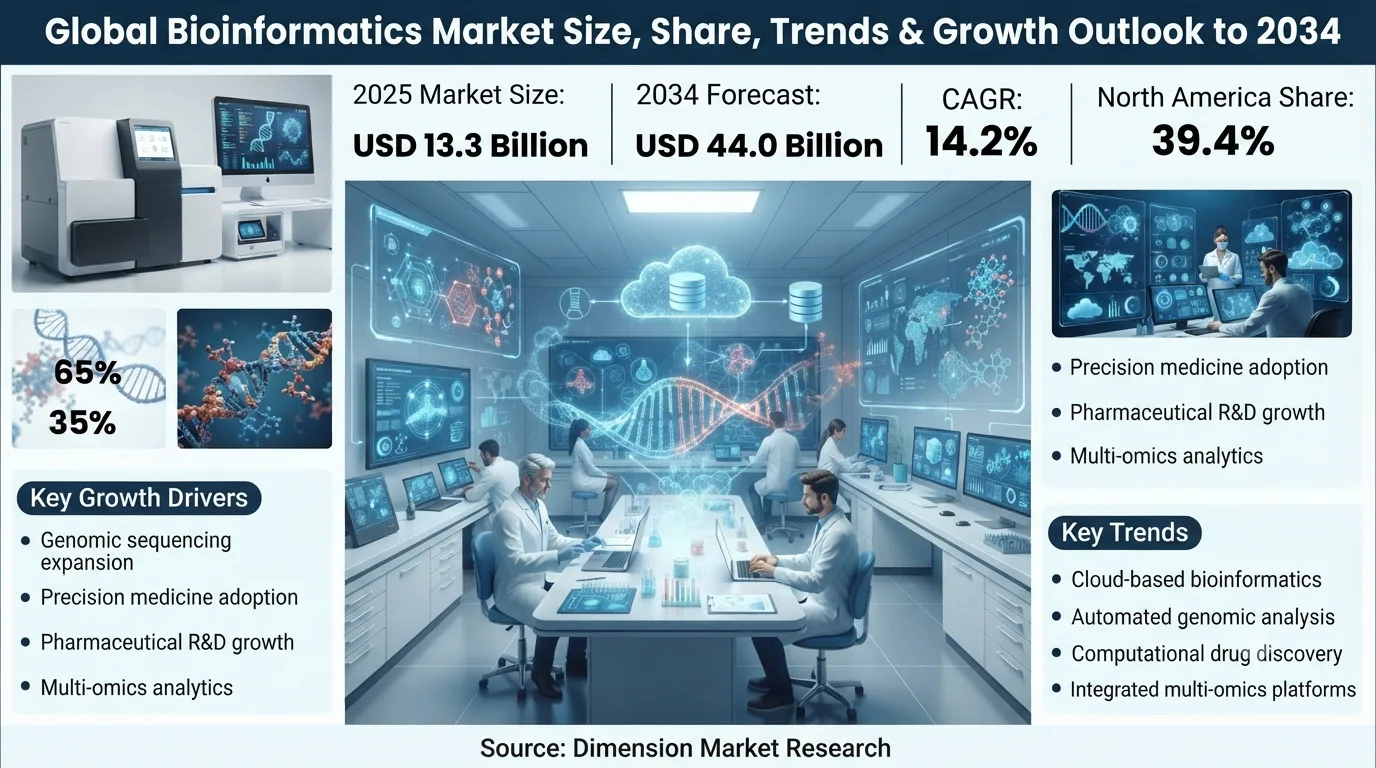
Artificial intelligence now supports genome annotation, protein folding prediction, and ecological modeling, accelerating hypothesis generation and testing. The integration of multi-omics data—genomics, proteomics, metabolomics—offers holistic insights into organismal function and disease mechanisms.
Despite these advances, biology faces challenges. Ethical concerns around gene editing, data privacy, and biosecurity require robust governance. The reproducibility crisis persists, necessitating better experimental design and transparency. Additionally, biodiversity loss and climate change impact biological systems, demanding urgent scientific and policy responses.
- CRISPR therapies: Over 50 clinical trials underway for genetic disorders.
- Synthetic biology: Market projected to exceed $50 billion by 2028.
- AI in biology: Protein structure prediction accuracy surpasses 95%.
- Conservation biology: New genomic tools for endangered species management.
This dynamic environment is extensively covered in Revolutionizing Life Sciences: Breakthroughs and Challenges Shaping Biology in 2026, highlighting the interplay of innovation and responsibility.
Expert Perspectives: Impact on Medicine, Agriculture, and Environmental Science
Leading biologists emphasize biology’s role in addressing global challenges. In medicine, precision genomics allows tailored treatments, improving outcomes in cancer, rare diseases, and infectious conditions. Agricultural biology focuses on enhancing crop yields and resistance through genetic improvements, vital for food security amid climate stress.
Environmental biology informs conservation strategies and ecosystem restoration. Experts advocate for integrating indigenous knowledge with scientific data to manage natural resources sustainably. The field’s interdisciplinarity fosters collaboration across medicine, agriculture, and environmental science, creating innovative solutions.
Dr. Samuel Li, a renowned geneticist, notes,
“The fusion of biology with technology is not just propelling scientific discovery; it’s transforming how we heal, feed, and protect our planet.”
Similarly, agricultural biotechnologist Dr. Priya Nair highlights,
“Advancements in plant genomics are crucial to develop climate-resilient crops that can withstand extreme weather patterns.”
These perspectives align with trends discussed in Unlocking Life’s Mysteries: How Biology Shapes Our Future, outlining biology’s centrality to societal progress.
Future Outlook: Emerging Frontiers and Ethical Considerations
Looking ahead, biology is poised for transformative growth. Synthetic life forms, organoids, and biohybrid systems promise new biomedical and industrial applications. Quantum biology, an emerging field, explores quantum phenomena in biological processes, potentially revolutionizing our understanding of photosynthesis and neural function.
However, the pace of innovation necessitates careful ethical oversight. The potential for gene drives to alter ecosystems, privacy concerns with genomic data, and equitable access to biotech advances remain pressing issues. International frameworks and public engagement are essential to navigate these complexities.
- Expansion of personalized medicine through integrative omics.
- Development of sustainable biofactories for chemicals and materials.
- Advances in neurobiology to combat neurodegenerative diseases.
- Global collaborations on biodiversity genomics for conservation.
Biology’s future is intertwined with technology, policy, and society. As research deepens, the dialogue between scientists, ethicists, and the public will shape the trajectory of this vital science.
For a broader perspective on biology’s role in innovation and discovery, see Why Biology Remains the Ultimate Frontier of Discovery and Innovation.