
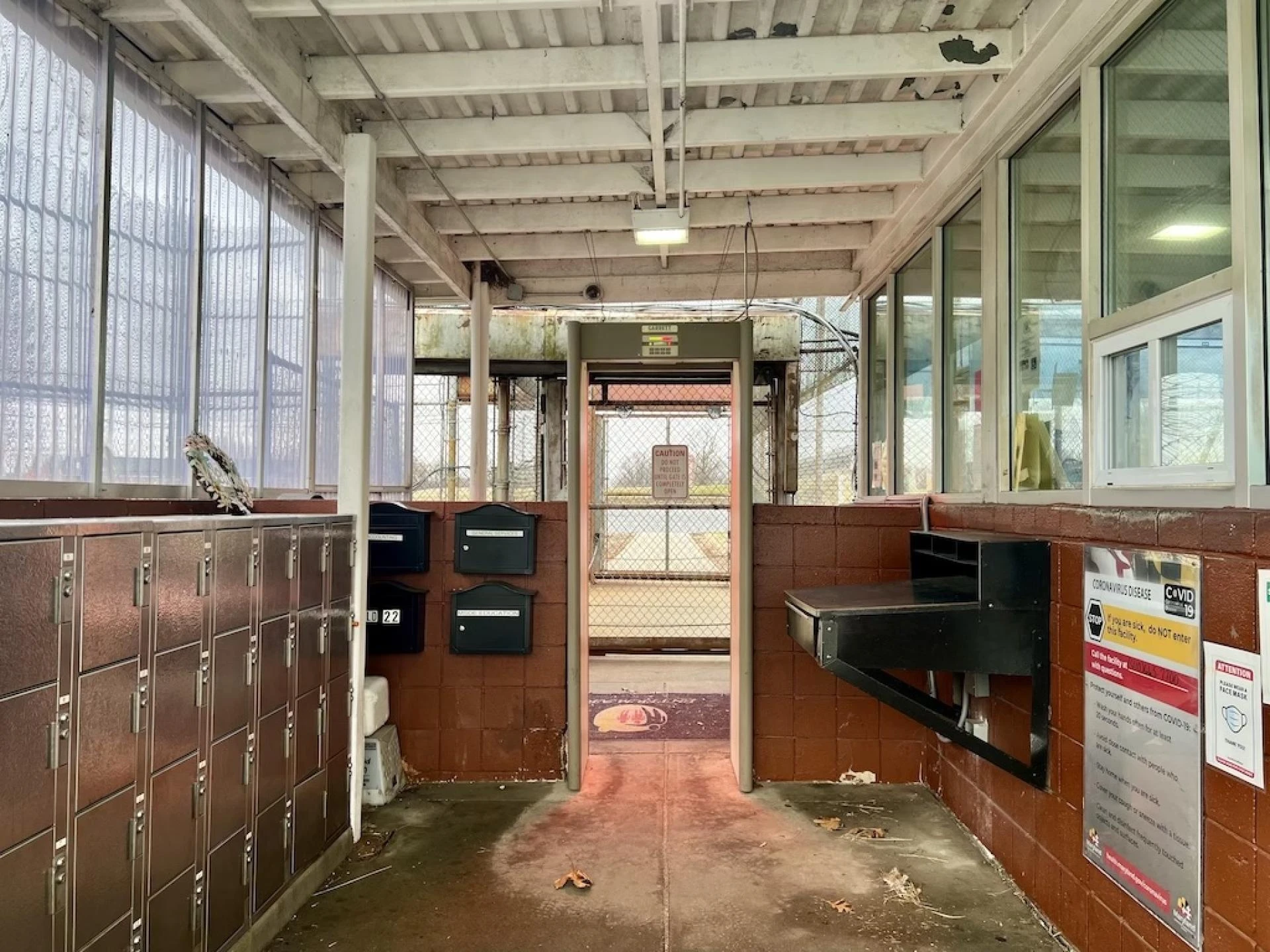
For years, the Charles H. Hickey Jr. School—a juvenile detention facility in Baltimore County, Maryland—was viewed by many as a place of rehabilitation. But for many former detainees, it was a site of trauma, violation, and institutional failure. In recent years, dozens of lawsuits have exposed a dark history of sexual abuse by staff, neglect by administrators, and systematic suppression of complaints. The legal consequences have only just begun.
Background
Originally founded in 1850 as the “House of Refuge,” the facility eventually became known as the Charles H. Hickey Jr. School (CHS). Over time, it housed juvenile offenders, many of whom awaited court hearings or placement. In periods between 1991 and 2004, part of the facility was managed by private contractors; the Maryland Department of Juvenile Services (DJS) otherwise maintained oversight. Lawsuit Information Center+3LevyLaw+3Injury Lawyers+3
Allegations & Impacts
The lawsuits allege widespread sexual abuse by staff members spanning many decades—from the 1960s through more recent years. Some of the accused include guards, counselors, chaplains, supervisors, and housing unit managers. One particularly striking case involves Ronald Neverdon, a housing supervisor alleged to have sexually abused at least 69 children while working at CHS between the mid-1960s and mid-1990s. PR Newswire
Victims report abuse occurring in multiple locations within the facility: in dormitories, bathrooms or showers, offices, even outside the institution in some instances. Complaints include grooming, bribery (with promises of money or drugs), intimidation, and retaliation for speaking out. Many victims say their reports were ignored or that no protective action was taken. PR Newswire+3Helping Survivors+3Injury Lawyers+3
One former detainee, Avery Fauntleroy, recounts being abused at age 16, both in the intake office and shower room, and says his reports to an in-facility therapist led to no consequences. Maryland Matters The trauma has had lasting psychological effects, including PTSD, difficulties with trust and relationships, and other life disruptions. Injury Lawyers+2Maryland Matters+2
Legal and Legislative Developments
One major shift has been the passing of Maryland’s Child Victims Act (CVA) in 2023. This law eliminated the statute of limitations for civil lawsuits related to child sexual abuse, allowing survivors to bring forward claims even decades after the abuse occurred. courts.state.md.us+3Helping Survivors+3LevyLaw+3
Following this law, a wave of lawsuits was filed. These include:
- A complaint in March 2025 naming the state and DJS alleging that the facility failed to protect children from Neverdon. PR Newswire
- A February 2024 lawsuit involving 63 plaintiffs across 15 juvenile detention facilities, including CHS, for abuse spanning from the 1960s to 2017. Helping Survivors+2LevyLaw+2
- A December 2023 suit by 37 individuals alleging abuse by multiple staff members at CHS. LevyLaw+1
At the same time, Maryland has seen pushback via proposed bills. For example, House Bill 1378, introduced in 2025, seeks to reinstate some limitations for lawsuits against public institutions under certain conditions, potentially restricting claims if not filed by certain deadlines and reducing caps on damages. Helping Survivors+1
Institutional Failures & Accountability
The lawsuits are not only about individual perpetrators—they allege systemic failures. Key accusations include:
- Negligent hiring and supervision: hiring staff with prior records, failing to monitor or discipline wrongdoing. LevyLaw+2courts.state.md.us+2
- Lack of preventive policies: inadequate procedures for preventing abuse, including lack of oversight or controls in vulnerable areas. Lawsuit Information Center+3Helping Survivors+3LevyLaw+3
- Cover-ups or ignoring complaints: reports made by youth or therapists were allegedly dismissed or hidden. Maryland Matters+2Helping Survivors+2
In previous investigations, including one by the U.S. Department of Justice in the early 2000s, serious violations were documented. Among findings were inappropriate staff-youth sexual relationships, staff with criminal backgrounds being hired, and overall unsafe conditions. courts.state.md.us+2Helping Survivors+2
What’s at Stake: Justice, Reform, Healing
The lawsuits aim to achieve several things:
- Compensation for survivors—both for economic losses (medical care, therapy) and non-economic harm (pain, suffering, emotional damage).
- Institutional accountability—holding the state, DJS, and individuals responsible for failing youth.
- System reform—changes in supervision, hiring, oversight, policy to prevent future abuse.
Because of the Child Victims Act, many survivors who were previously too late to sue now have legal avenues open to them. But the potential changes via pending legislation could affect their ability to seek full justice. Lawsuit Information Center+1
Conclusion
The Charles H. Hickey Jr. School lawsuit represents more than just legal claims—it reveals longstanding institutional failures in protecting minors, especially those already marginalized. The new legal landscape in Maryland gives survivors a chance to be heard, but the path remains difficult. Justice in this case means compensation, yes—but more importantly, meaningful change so that no child detained in the name of rehabilitation has to endure abuse in silence.