In the fast-paced world of financial markets, day trading stands out as a dynamic and highly engaging activity for active market participants. The term "day trading" refers to the buying and selling of financial securities within the same trading day, ensuring that no positions are held overnight.
This approach appeals to individuals who thrive on swift decision-making, volatility, and the thrill of real-time market movements. In this article, we’ll explore the significance of day trading, its mechanics, and vital considerations—especially the impact of costs such as the STT rate.
Understanding Day Trading: The Basics
Day trading relies on the principle of capitalising on short-term price fluctuations in the market. Unlike traditional investing—where participants may hold positions for weeks or months—day traders open and close orders within a single trading session.
Their objective is simple yet challenging: to profit from minor movements in asset prices.
Typically, day traders use technical analysis tools like moving averages, RSI (Relative Strength Index), MACD, and candlestick patterns to forecast price trends. Liquidity, volatility, and trading volume play a crucial role in determining suitable assets—whether stocks, forex, commodities, or cryptocurrencies.
Why Day Trading Matters for Active Market Participants
Day trading holds unique importance for active market participants, including individual traders, proprietary trading firms, and institutional desks.
1. High Potential for Profits
Day trading offers the chance to generate significant profits through quick trades. Skilled traders, equipped with the right strategies, can capitalise on small price movements in highly liquid assets.
2. Enhanced Market Efficiency
Active day traders boost market efficiency by increasing liquidity. Their frequent buy-sell actions help reduce bid-ask spreads and ensure smoother price discovery, which benefits all market participants.
3. Flexibility for Traders
Unlike long-term investors, day traders can close all positions before the market closes, avoiding overnight risks like global news, policy announcements, or earnings reports that can affect prices the next day.
4. Continuous Learning and Skill Development
Day trading demands constant adaptation to fast-changing markets. Traders sharpen their technical and analytical skills, emotional control, and quick decision-making—traits valuable beyond trading itself.
Securities Transaction Tax (STT) Rate: A Crucial Consideration in Day Trading
Among the various costs in day trading, the STT rate is a key factor, especially for traders in India. The Securities Transaction Tax (STT) is a direct tax levied on the buying and selling of securities listed on recognised stock exchanges.
Introduced to ensure transparency and generate government revenue, STT directly influences a trader’s profitability.
How STT Impacts Day Trading
For day traders, STT can significantly affect returns. It applies to both intraday and delivery-based equity transactions but at varying rates.
Intraday traders—who open and close positions on the same day—are particularly sensitive to STT because of their high trading frequency. For instance, a trader executing hundreds of intraday trades might see their gross profit shrink once STT and brokerage are deducted.
Understanding the STT rate is thus essential to calculate accurate breakeven points and maintain profitability.
Current STT Rates
As per the latest guidelines, STT varies based on the nature of the transaction:
- Equity Delivery Transactions – 0.1% on both buy and sell sides
- Intraday Equity Trades – 0.025% on the sell side
- Futures & Options (Derivatives) – 0.01% on the sell side for futures, and a premium-based calculation for options
Active traders must evaluate their trade volume and frequency to ensure their strategy remains profitable after accounting for STT and other trading expenses.
Challenges in Day Trading
While day trading offers opportunities for profit, it also comes with significant risks:
1. High Transaction Costs
Apart from STT, traders must pay brokerage fees, exchange charges, and stamp duty. These cumulative costs can quickly reduce profit margins, making trade planning essential.
2. Market Volatility
Though volatility creates profit opportunities, excessive market swings can also lead to large losses, especially if stop-loss levels are misjudged.
3. Emotional Pressure
Day trading is mentally demanding. Constant price monitoring and fast decision-making can cause stress, leading to impulsive or emotion-driven trades.
4. Regulatory Requirements
Each country enforces specific trading regulations. In India, for instance, traders must comply with margin requirements, GST, and STT guidelines, while in the U.S., pattern day trading rules apply.
Strategies for Successful Day Trading
To achieve long-term success in day trading, adopting structured strategies is crucial.
1. Risk Management
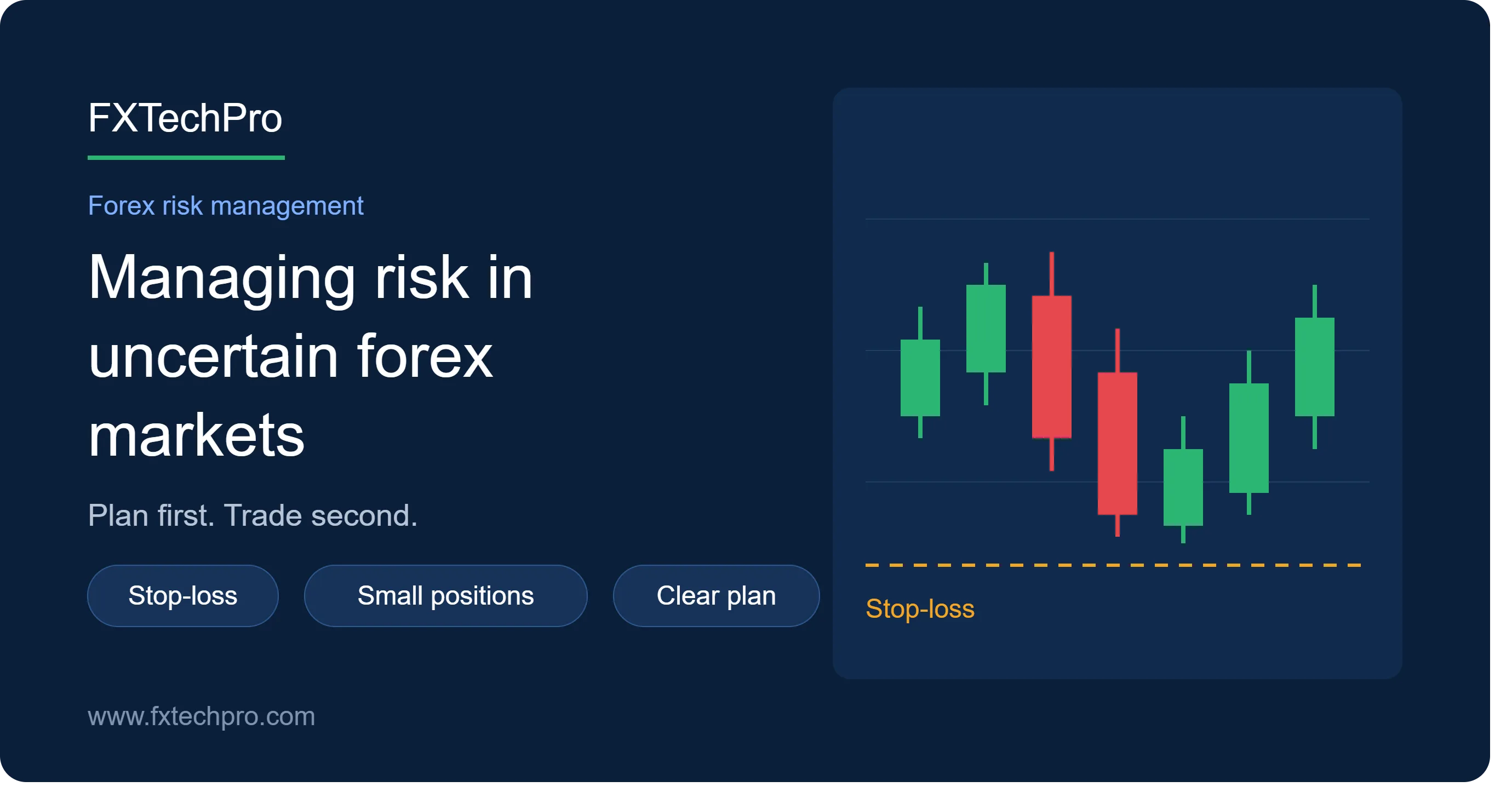
Limit exposure per trade and set defined stop-loss levels. This protects capital from unexpected market movements.
2. Master Technical Analysis
Learn to interpret chart patterns and use indicators effectively to identify precise entry and exit points.
3. Monitor All Trading Costs
Factor in expenses such as brokerage, exchange fees, and the STT rate before executing trades. Knowing your net profitability helps sustain consistent gains.
4. Maintain Emotional Discipline
Avoid chasing losses or trading based on impulse. Stick to your strategy and trade only when signals align with your predefined plan.
Conclusion
Day trading is a fast-moving and potentially rewarding path for active market participants who possess the right blend of discipline, skill, and strategy. Beyond the promise of quick profits, it contributes to greater market liquidity and efficiency.
However, success in day trading depends on understanding transaction costs—especially the STT rate—and maintaining strict risk control.
With patience, continuous learning, and careful cost analysis, traders can turn day trading into a sustainable and fulfilling financial pursuit.