
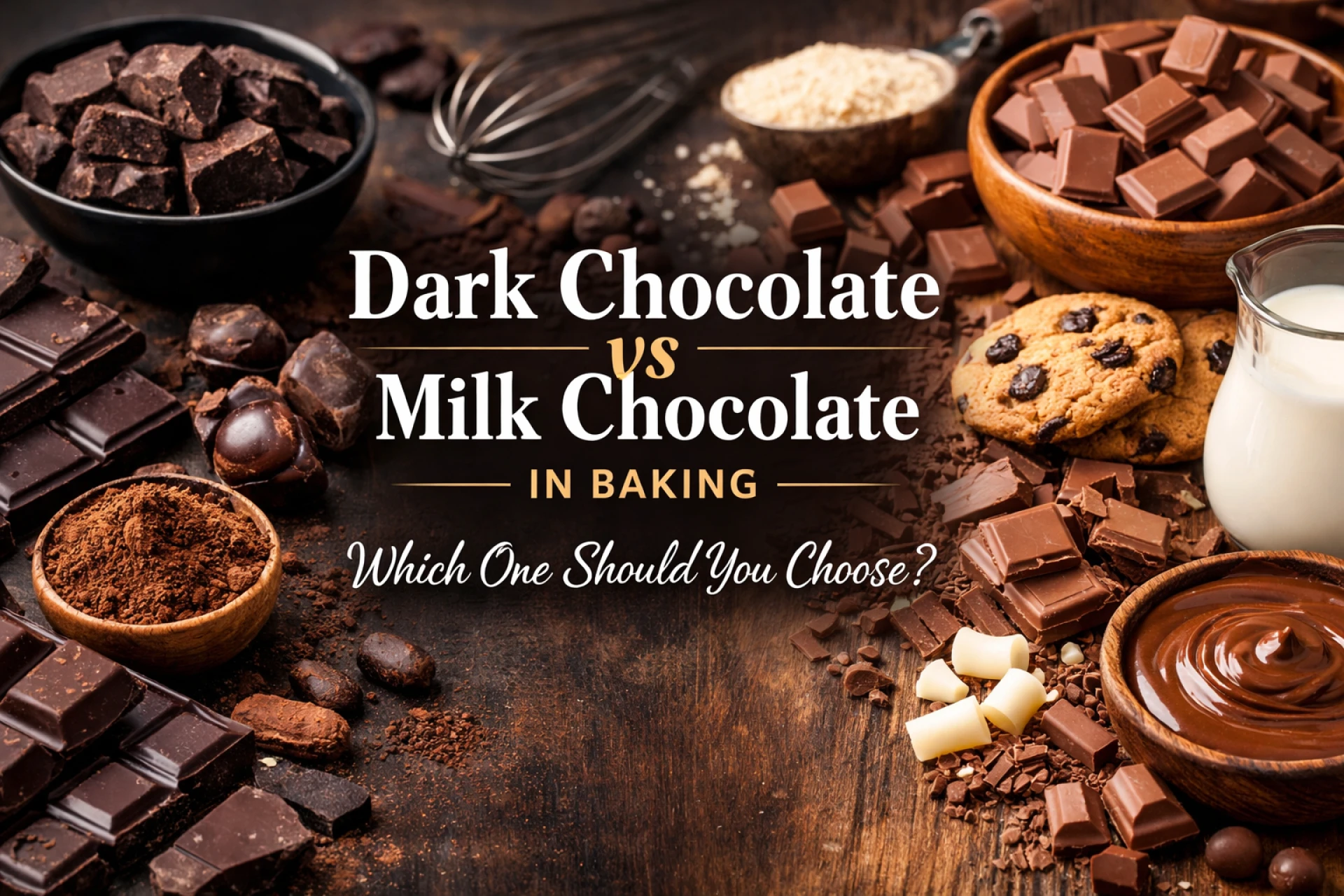
Chocolate is one of the most essential ingredients in baking. From rich brownies to soft cookies and decadent cakes, chocolate adds depth, sweetness, and flavor to a wide range of desserts. However, when it comes to choosing between dark chocolate and milk chocolate for baking, many home bakers are unsure which one works best. Understanding the difference between these two types of chocolate can help you achieve better flavor, texture, and balance in your baked goods.
In this guide, we will explore the key differences between dark chocolate and milk chocolate, how each performs in baking, and why premium options like Isvaari dark chocolate are often preferred by professional bakers.
Understanding the Difference Between Dark Chocolate and Milk Chocolate
The primary difference between dark chocolate and milk chocolate lies in their ingredients and cocoa content.
Dark chocolate is made from cocoa solids, cocoa butter, and sugar. It contains little to no milk and typically has a cocoa content ranging from 50% to over 80%. This higher cocoa concentration gives dark chocolate its intense, slightly bitter flavor and deep chocolate aroma.
Milk chocolate, on the other hand, includes milk powder or condensed milk in addition to cocoa solids, cocoa butter, and sugar. It usually contains a lower percentage of cocoa, typically between 25% and 40%. Because of the added milk and sugar, milk chocolate has a sweeter, creamier, and milder flavor compared to dark chocolate.
These differences in composition significantly affect how each type of chocolate behaves in baking.
Flavor Impact in Baked Goods
Flavor is one of the most important factors when choosing chocolate for baking.
Dark chocolate delivers a rich, bold, and complex chocolate flavor. Because it contains less sugar and more cocoa, it provides depth and intensity that can elevate desserts such as brownies, chocolate cakes, and ganache. Many bakers prefer dark chocolate because it balances sweetness and prevents desserts from becoming overly sugary.
Milk chocolate, by contrast, offers a sweeter and more mellow flavor. While it can add creaminess to desserts, its sweetness can sometimes overpower other ingredients. This makes it better suited for lighter desserts like chocolate chip cookies, frostings, and candies where a softer chocolate flavor is desired.
When baking recipes that rely heavily on chocolate flavor, premium options like isvaari dark chocolate can help achieve a more refined and gourmet taste.
Texture and Melting Properties
Another key difference between dark and milk chocolate is how they melt and behave during baking.
Dark chocolate melts smoothly because it contains a higher proportion of cocoa butter and fewer additives. This makes it ideal for recipes like ganache, chocolate sauces, truffles, and brownie batters where a silky texture is important.
Milk chocolate contains milk solids, which can affect its melting behavior. It tends to melt faster and can become overly soft or greasy if not handled carefully. This means it may not always produce the same smooth consistency needed for certain baking techniques.
Because of its stable melting properties, many pastry chefs prefer dark chocolate when creating rich, structured desserts.
Sweetness Balance in Recipes
Sugar levels play a crucial role in baking.
Since milk chocolate already contains a higher amount of sugar, using it in recipes that also include sugar can make the final dessert excessively sweet. This can mask the natural cocoa flavor and create an unbalanced taste.
Dark chocolate provides a better sweetness balance because it contains less sugar. This allows the chocolate flavor to stand out while still complementing other ingredients like butter, vanilla, nuts, and fruits.
For example:
- Brownies made with dark chocolate often taste richer and less sugary.
- Chocolate cakes made with dark chocolate have a deeper flavor profile.
- Desserts like chocolate mousse benefit from the intensity of dark chocolate.
Using isvaari dark chocolate in these recipes can help maintain that perfect balance between sweetness and bold chocolate flavor.
Nutritional Differences
Although baking is mostly about flavor and texture, nutritional differences between dark chocolate and milk chocolate are also worth noting.
Dark chocolate generally contains more antioxidants because of its higher cocoa content. It also tends to have less sugar than milk chocolate. Additionally, dark chocolate provides minerals such as iron, magnesium, and copper.
Milk chocolate contains more sugar and dairy, which increases its calorie content while reducing the concentration of cocoa-based nutrients.
While desserts should still be enjoyed in moderation, using high-quality dark chocolate in baking can offer a slightly more wholesome option compared to milk chocolate.
Best Uses for Dark Chocolate in Baking
Dark chocolate is highly versatile and works well in many baked goods. It is commonly used in:
- Brownies and chocolate cakes
- Chocolate ganache and truffles
- Chocolate mousse
- Chocolate tarts
- Gourmet cookies and pastries
Because of its strong cocoa flavor, dark chocolate can create sophisticated desserts that appeal to chocolate lovers.
Premium baking chocolate such as isvaari dark chocolate is especially suitable for recipes where chocolate is the star ingredient.
Best Uses for Milk Chocolate in Baking
Milk chocolate also has its place in baking, especially when a sweeter and creamier flavor is preferred. It works well in:
- Chocolate chip cookies
- Chocolate bars and candies
- Dessert toppings and drizzles
- Frostings and fillings
Milk chocolate is also popular in recipes designed for children or those who prefer milder chocolate flavors.
Choosing the Right Chocolate for Your Recipe
When deciding between dark chocolate and milk chocolate, consider the purpose of the chocolate in your recipe.
Choose dark chocolate when you want:
- A strong chocolate flavor
- Less sweetness
- A smooth melting texture
- Rich and sophisticated desserts
Choose milk chocolate when you want:
- A sweeter and creamier taste
- A mild chocolate flavor
- Desserts with a softer texture
For professional-level baking results, many chefs prefer dark chocolate because it provides greater control over sweetness and flavor intensity.
Final Thoughts
Both dark chocolate and milk chocolate can be used in baking, but they serve different purposes. Dark chocolate offers a richer, more intense flavor and better balance in many desserts, while milk chocolate provides sweetness and creaminess for lighter treats.
If you want to elevate your baking and create desserts with deeper chocolate flavor, choosing high-quality options like isvaari dark chocolate can make a noticeable difference. Premium dark chocolate not only enhances taste but also helps achieve the smooth texture and richness that define gourmet baked goods.
By understanding how each type of chocolate works in baking, you can confidently select the right ingredient and create delicious desserts every time.