
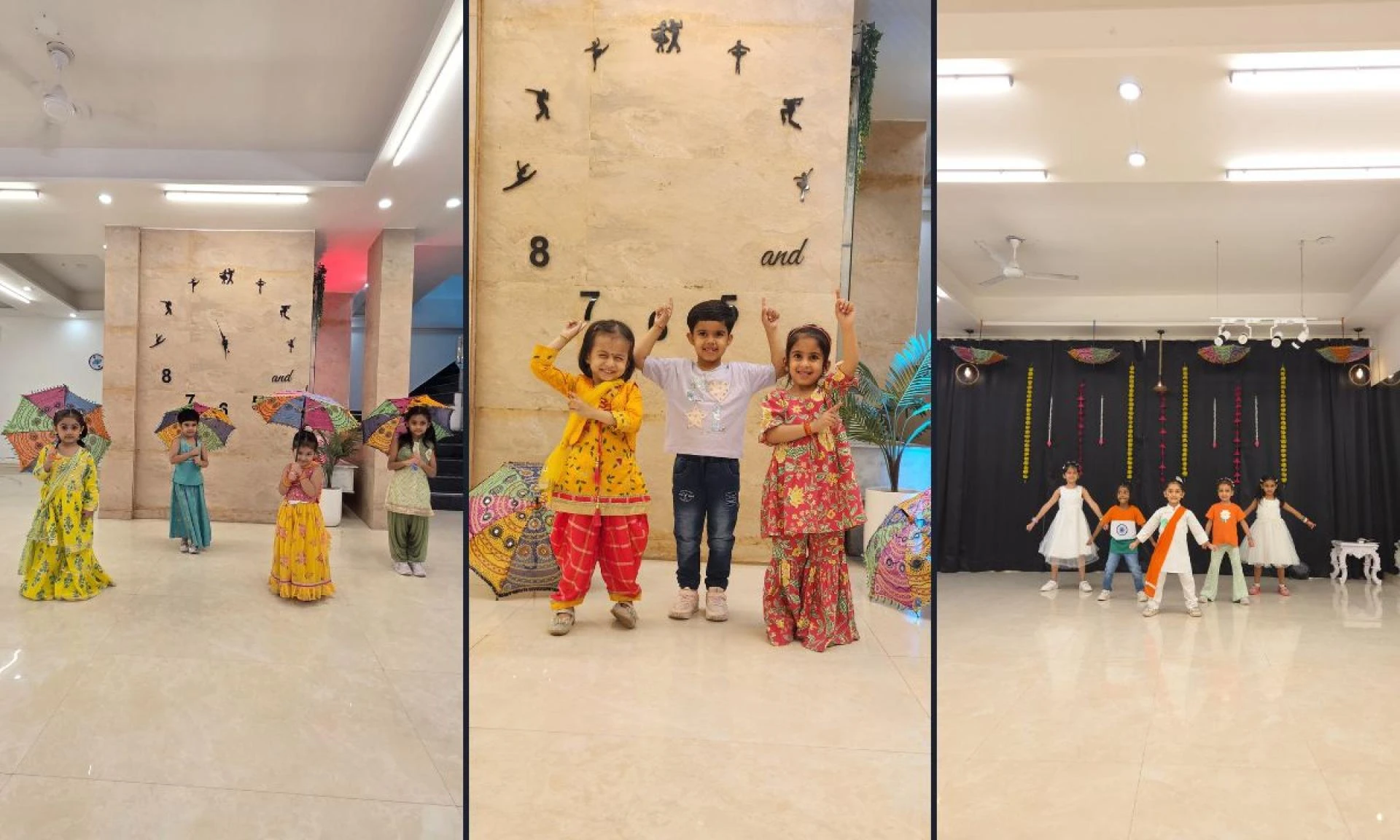
Introduction:
Confidence is one of the most valuable life skills a child can develop—and dance is a joyful, expressive, and effective way to nurture it. In today’s world where children often face social pressure, digital distractions, and academic stress, dance offers a healthy escape and a powerful platform for self-expression.
Whether it’s mastering a simple step or performing on stage, every movement a child learns through dance builds not just muscle memory but self-belief. This article explores how dance shapes a child’s confidence, social skills, and emotional growth in a fun, supportive way.
Dance Boosts Self-Esteem Through Small Wins
Confidence doesn’t happen overnight. It grows with every small success. When a child learns a new move or finally nails a rhythm they’ve been working on, it gives them a sense of achievement. These micro-wins—claps from the teacher, smiles from peers, or applause from an audience—reinforce their self-worth.
Unlike competitive sports, dance allows children to focus more on personal progress than comparison. The structure of regular classes, rehearsals, and occasional stage shows helps children set goals and track their own improvement.
At The Marun Choreography's Dance Studio in Dwarka, Delhi, we’ve seen shy children transform into bold, expressive performers within a few months of consistent practice. The sense of joy and pride on their faces after a performance is unmatched.
Expression Without Words
Many children, especially introverts, struggle to express their emotions through speech. Dance provides a safe, non-verbal outlet where they can be themselves without fear of judgment.
From the gentle grace of classical forms to the high-energy beats of Bollywood or hip-hop, every dance style offers children a chance to channel their emotions, energy, and stories through movement. This kind of expression helps kids understand their own feelings better, which naturally boosts emotional intelligence—a crucial part of building inner confidence.
Encourages Social Interaction and Teamwork
Dance is not just a solo activity—it’s often about moving in harmony with others. When children rehearse in groups, learn formations, or perform duets, they develop social confidence. They learn how to communicate, coordinate, share space, and support their peers.
This team-based learning environment helps them become better listeners and more empathetic individuals. It encourages bonding, reduces stage fear, and teaches that everyone has a role to play.
Children who regularly participate in dance classes often show improved social behavior and a positive shift in how they interact in school and family settings.
Overcoming Stage Fright
Stage fear is a common challenge, even for adults. But children who experience stage performances early on learn to deal with anxiety in healthy ways. Performing in front of peers, parents, or an audience—even in small groups—gives kids the opportunity to face and overcome fear.
It’s not just about perfect steps; it’s about showing up, being seen, and learning that mistakes are part of the process. The more they perform, the more they learn to embrace the spotlight instead of shying away from it.
By the time these kids reach their teens, they’ve already practiced handling public attention and pressure in a safe, celebratory setting—which gives them a huge advantage in real-world scenarios.
Discipline and Self-Control
Dance requires rhythm, timing, posture, coordination, and focus. Kids learn to follow instructions, stay in sync with music, and hold specific movements—all of which cultivate discipline.
This routine fosters a sense of structure, time management, and dedication in children. They understand the importance of regular practice and hard work, which translates to better performance in academics and other areas of life.
Body Positivity and Movement Awareness
In a world filled with unrealistic beauty standards and social media pressures, dance promotes a healthy connection with the body. Children learn that all body types can move, express, and create beauty. This builds a sense of body positivity and pride in their physical abilities.
They become more aware of their posture, balance, and coordination, which improves not just dance performance but also their overall physical confidence.
Creative Thinking and Identity Building
Through choreography, improvisation, and storytelling, kids learn to think creatively. They get to contribute their own ideas to group routines or solo performances, helping them feel valued and heard.
As they explore different dance styles, children begin to understand what feels natural to them and what represents their personality. This creative self-exploration is foundational in developing a strong sense of identity.
At The Marun Choreography – Dance Studio in Delhi, we intentionally include creative activities in our kids' classes that allow them to choreograph short pieces or choose expressions that feel personal to them. This strengthens their voice and vision.
Parental Perspective: What You’ll Notice
As a parent, you might see subtle changes once your child starts dancing regularly:
- They’ll stand taller, walk more confidently, and speak more clearly.
- They’ll handle social situations—like school events, group outings, or new introductions—with ease.
- They may become more expressive at home, sharing thoughts and emotions freely.
These aren’t just side effects of learning dance—they’re signs of deep-rooted confidence that continues to grow.
Dance as a Lifelong Tool
Even if your child doesn’t pursue dance professionally, the skills they gain from it stay for life. Whether it’s giving a class presentation, attending a college interview, or simply walking into a room full of strangers, the inner confidence nurtured through dance becomes a lifelong companion.
And the best part? Kids rarely see it as a task. They see it as play, fun, and joy. That’s the magic of learning through movement.
Conclusion:
Confidence isn’t taught—it’s experienced. Dance gives children that experience again and again, in joyful, memorable ways. From social bonding and emotional strength to physical awareness and discipline, every step they take helps shape who they are.
So if you’re looking for a fun, enriching activity that does more than just burn energy, consider dance as a confidence-building journey for your child. It might be the most powerful gift you give them.
Let your child discover the power of movement and self-expression. Visit The Marun Choreography’s studio in Dwarka, Delhi, and explore our thoughtfully designed kids' dance programs that blend fun, learning, and confidence.