
 The dairy alternatives market is witnessing a surge in emerging trends that are reshaping the global food and beverage industry. As consumer preferences shift toward healthier and more sustainable options, plant-based dairy alternatives are moving from niche segments into mainstream markets. These emerging trends are influenced by technological innovations, health and environmental awareness, regulatory support, and evolving lifestyles, creating new opportunities for businesses worldwide.
1. Rise of Clean-Label and Functional Products:
One of the most prominent emerging trends is the growing demand for clean-label and functional dairy alternative products. Consumers increasingly seek transparency in ingredients, preferring products that are natural, minimally processed, and free from artificial additives. Functional beverages fortified with vitamins, minerals, and probiotics are becoming popular among health-conscious consumers, contributing to market expansion.
2. Growth of Protein-Enriched Alternatives:
Protein enrichment is becoming a key differentiator in the dairy alternatives sector. Brands are innovating by enhancing the protein content of plant-based milks using sources such as pea, soy, and oats. This aligns with the global trend toward high-protein diets, making dairy alternatives more appealing to athletes, fitness enthusiasts, and health-focused consumers.
3. Technological Advancements Driving Product Innovation:
Emerging food technologies such as precision fermentation, enzymatic processing, and advanced formulation techniques are enabling manufacturers to develop dairy alternatives that closely replicate the taste, texture, and nutritional value of conventional dairy. These innovations are improving product acceptance and encouraging wider market adoption.
4. Sustainability and Ethical Consumption:
Sustainability is at the heart of emerging trends in the dairy alternatives market. Plant-based products typically have a lower carbon footprint, use less water, and contribute to biodiversity preservation. Ethical considerations, including animal welfare and environmental protection, are driving consumers to switch from traditional dairy to plant-based alternatives.
5. Diversification of Ingredients:
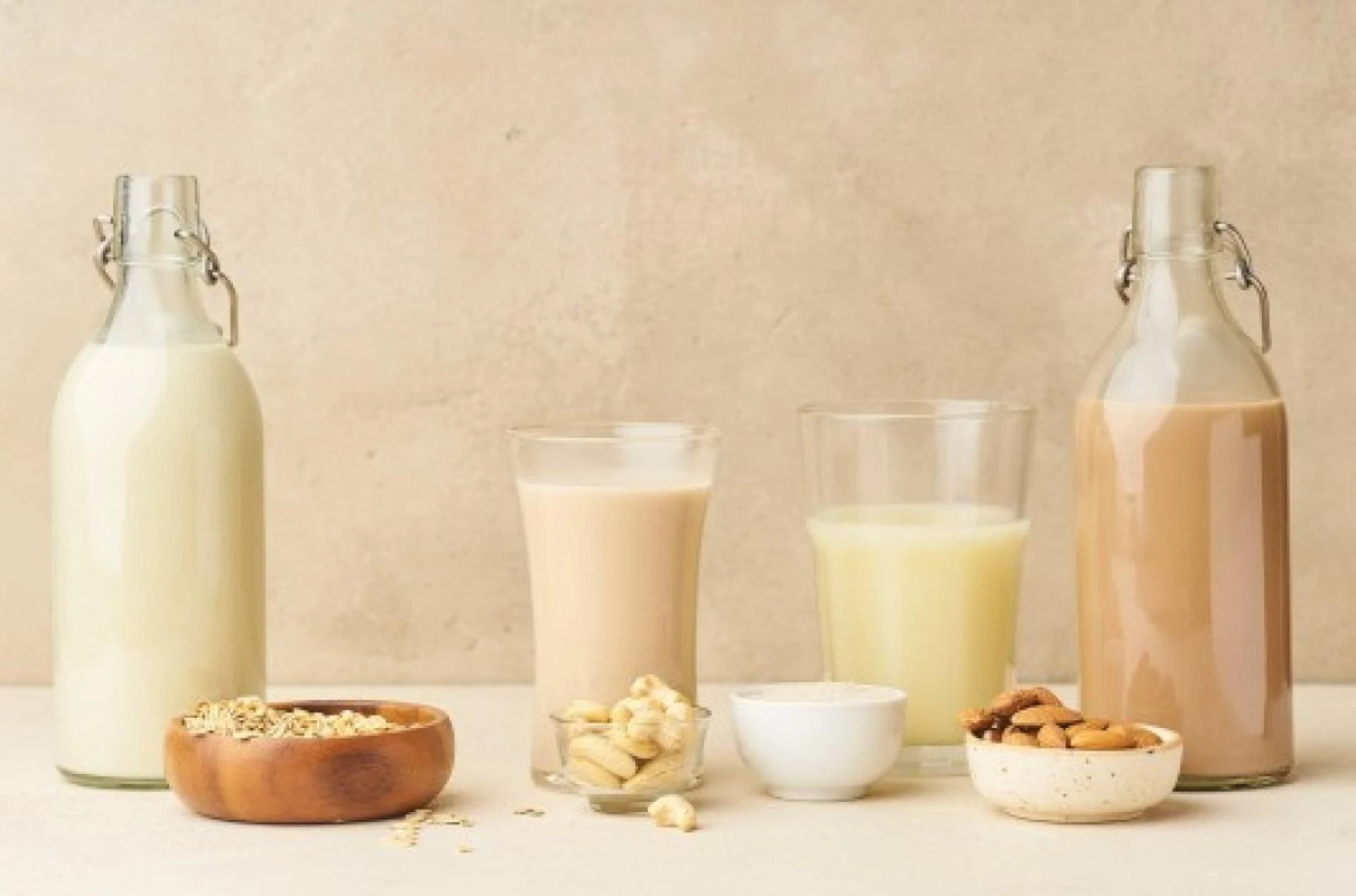
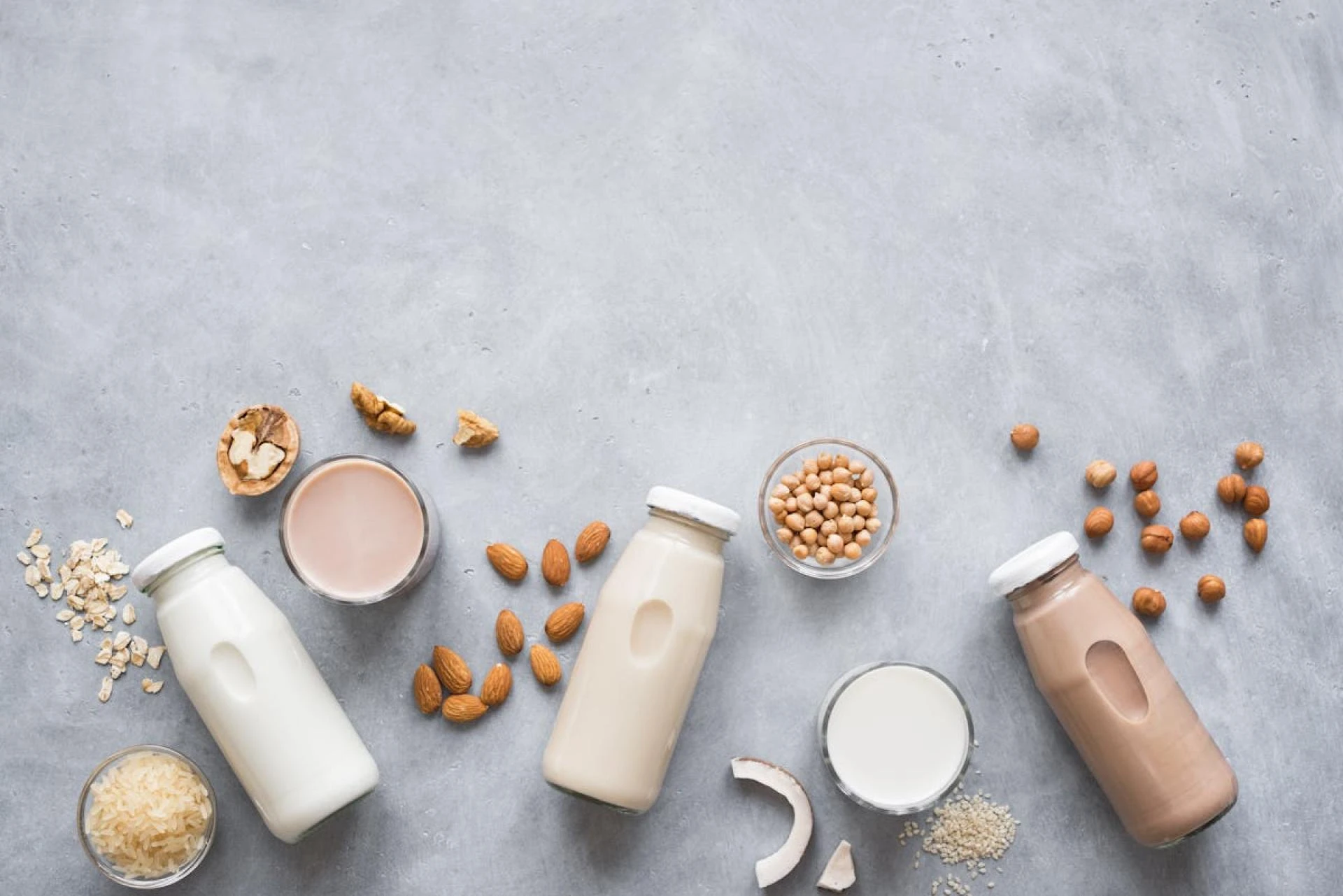
Emerging trends show increasing diversification of raw materials used in dairy alternatives. While soy, almond, and coconut have been popular, newer ingredients such as oat, hemp, rice, and cashew are gaining traction. This diversification not only caters to different taste preferences but also addresses issues related to allergens and sustainability.
6. Premiumization and Gourmet Offerings:
Premium dairy alternatives are becoming more popular as consumers are willing to pay extra for superior quality, unique flavors, and added health benefits. Artisanal brands are introducing gourmet plant-based cheeses, yogurts, and creamers that mimic traditional dairy products, targeting urban and high-income consumer segments.
7. Expansion of E-Commerce and Direct-to-Consumer Models:
Digital transformation is a significant emerging trend in the distribution of dairy alternatives. E-commerce platforms and direct-to-consumer subscription models are helping brands reach wider audiences, especially in urban areas where convenience and product variety are key purchasing factors.
8. Regional Market Diversification:
Emerging markets in Asia-Pacific, Latin America, and the Middle East are witnessing rapid adoption of dairy alternatives due to rising disposable incomes, urbanization, and changing dietary habits. These regions present untapped opportunities for companies to introduce innovative products tailored to local preferences.
9. Hybrid and Blended Dairy Products:
Another notable trend is the emergence of hybrid dairy products that combine traditional dairy with plant-based ingredients. These products cater to flexitarian consumers who are not entirely eliminating dairy but are seeking healthier and more sustainable alternatives.
10. Regulatory Evolution and Market Standardization:
Governments and regulatory bodies are increasingly focusing on labeling norms, nutritional standards, and marketing guidelines for dairy alternatives. This regulatory evolution is expected to bring more clarity and trust to consumers, accelerating market growth.
11. Lifestyle and Cultural Shifts:
Changing lifestyles, increased veganism, and growing awareness of lactose intolerance are contributing to rising demand for plant-based dairy. Cultural acceptance of dairy alternatives is expanding, with products now being integrated into traditional cuisines and daily consumption habits globally.
12. Investment and Strategic Partnerships:
Emerging trends also include increased investments, mergers, and collaborations among major food companies, startups, and technology providers. These strategic moves aim to enhance product portfolios, expand geographical presence, and accelerate innovation in the dairy alternatives segment.
Conclusion:
The dairy alternatives market is entering a dynamic growth phase, fueled by emerging trends that blend consumer demand, sustainability goals, and technological innovation. Businesses that adapt quickly to these trends are likely to secure a strong competitive edge in this evolving global market.