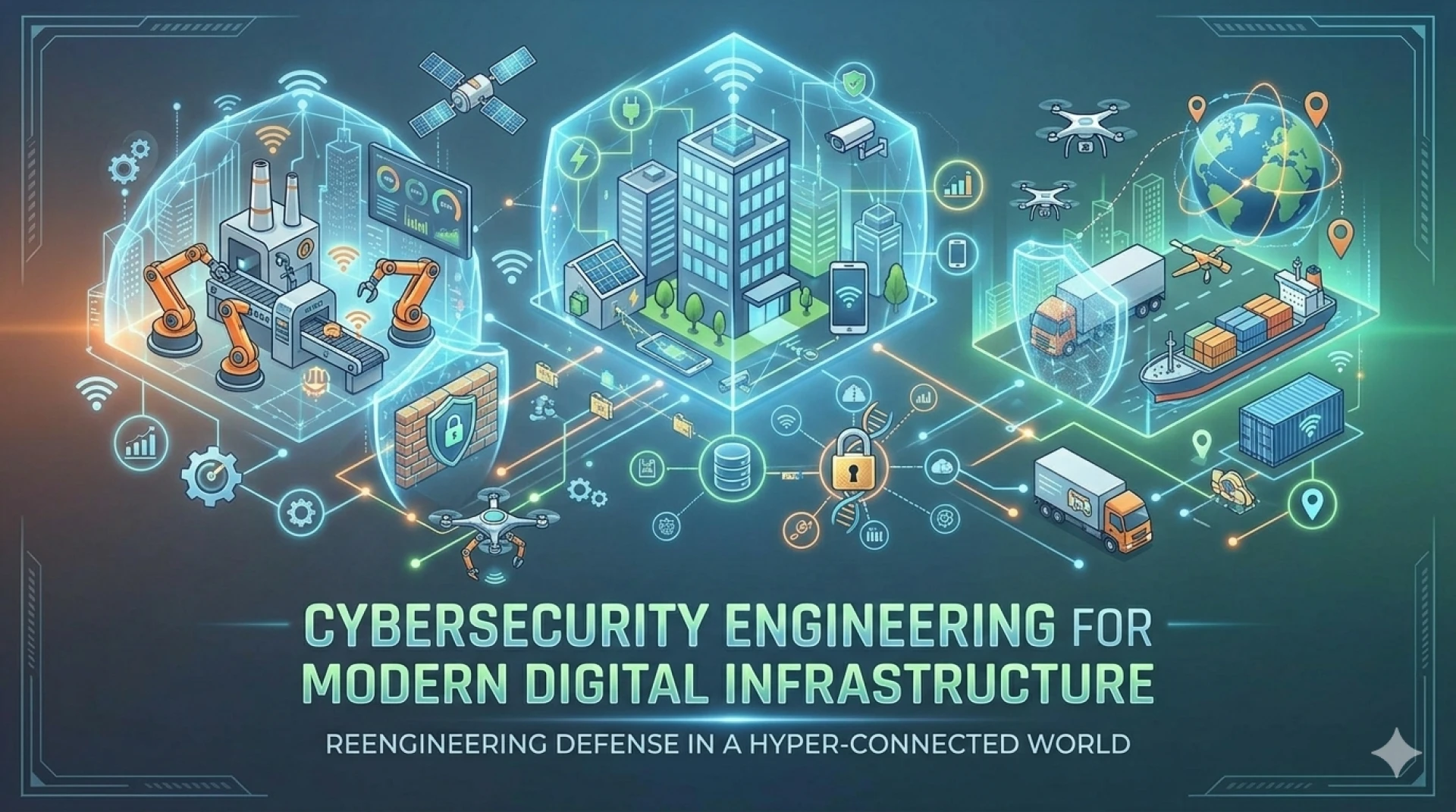
As organizations accelerate their digital transformation journeys, cybersecurity has become a mission-critical priority rather than an afterthought. With cloud-native applications, remote work environments, API-driven ecosystems, and distributed infrastructures becoming the norm, the attack surface for cyber threats continues to expand rapidly. Businesses today must defend against ransomware, phishing attacks, insider threats, zero-day vulnerabilities, and sophisticated Advanced Persistent Threats (APTs).
Cybersecurity engineering is no longer limited to firewalls and antivirus software. It requires a holistic, architecture-first approach that integrates secure software development, cloud security, network protection, DevSecOps practices, and continuous monitoring.
API DOTS delivers advanced cybersecurity solutions designed to protect modern digital infrastructure. By combining secure software development practices, cloud security architecture, identity and access management (IAM), and automated threat detection, API DOTS ensures businesses remain resilient in an evolving threat landscape.
This in-depth article explores cybersecurity engineering, its core components, enterprise implementation strategies, emerging trends, and how API DOTS builds secure, scalable, and future-ready digital ecosystems.
The Evolving Cyber Threat Landscape
The digital economy has created unprecedented opportunities—but also significant vulnerabilities. As businesses rely more heavily on cloud computing, SaaS platforms, mobile applications, and APIs, cybercriminals are exploiting weaknesses across interconnected systems.
Common cybersecurity threats include:
- Ransomware attacks encrypting sensitive data
- Phishing campaigns targeting employee credentials
- Distributed Denial-of-Service (DDoS) attacks
- Data breaches exposing confidential information
- Insider threats from compromised user accounts
- API exploitation and injection attacks
The cost of cybercrime continues to rise globally, impacting organizations of all sizes. Modern enterprises require proactive cybersecurity strategies rather than reactive defense mechanisms.
API DOTS integrates security into every layer of application and infrastructure development, reducing risk exposure while maintaining operational efficiency.
What is Cybersecurity Engineering?
Cybersecurity engineering is the structured design, implementation, and management of secure digital systems. It focuses on embedding security principles throughout the entire software development lifecycle (SDLC).
Unlike traditional security approaches that add protection layers after deployment, cybersecurity engineering emphasizes:
- Secure architecture design
- Threat modeling
- Risk assessment
- Continuous monitoring
- Security automation
- Compliance management
API DOTS follows a security-first development approach, ensuring applications are protected from the ground up.
Core Pillars of Cybersecurity Engineering
1. Network Security
Network security protects communication channels between systems.
Key components include:
- Firewalls and intrusion detection systems (IDS)
- Secure VPN configurations
- Network segmentation
- Zero-trust architecture models
API DOTS implements advanced network security strategies that prevent unauthorized access while ensuring seamless connectivity.
2. Cloud Security Architecture
Cloud adoption introduces new security challenges. Organizations must secure workloads across public, private, and hybrid environments.
Cloud security best practices include:
- Identity and Access Management (IAM)
- Multi-factor authentication (MFA)
- Secure API gateways
- Encrypted storage and data transmission
- Compliance with cloud security standards
API DOTS designs cloud-native security frameworks that align with enterprise compliance requirements.
3. Application Security (AppSec)
Modern applications are vulnerable to threats such as SQL injection, cross-site scripting (XSS), and insecure API endpoints.
Application security involves:
- Secure coding practices
- Static Application Security Testing (SAST)
- Dynamic Application Security Testing (DAST)
- API security testing
- Secure CI/CD pipelines
API DOTS integrates DevSecOps methodologies to automate vulnerability detection during development.
4. Identity and Access Management (IAM)
IAM systems control user authentication and authorization.
Best practices include:
- Role-based access control (RBAC)
- Least privilege principle
- Single Sign-On (SSO)
- Biometric authentication
- Continuous user behavior monitoring
API DOTS implements robust IAM frameworks that ensure secure and seamless access management.
5. Data Protection and Encryption
Data is one of the most valuable business assets. Protecting it requires strong encryption strategies.
Encryption methods include:
- End-to-end encryption
- TLS/SSL secure communication
- AES encryption for data at rest
- Tokenization for sensitive information
API DOTS ensures data security across storage systems, cloud platforms, and APIs.
DevSecOps: Integrating Security into DevOps
DevSecOps integrates security practices directly into the DevOps pipeline. Instead of treating security as a separate phase, it becomes part of continuous integration and deployment processes.
Key DevSecOps practices include:
- Automated vulnerability scanning
- Code dependency checks
- Infrastructure as Code (IaC) security validation
- Continuous compliance monitoring
- Threat intelligence integration
API DOTS combines DevOps automation with proactive security measures to reduce risk without slowing development cycles.
Zero Trust Security Model
The Zero Trust model operates under the principle of “never trust, always verify.” Every request—whether internal or external—is authenticated and authorized.
Core components include:
- Continuous identity verification
- Micro-segmentation
- Real-time threat analytics
- Strict access control policies
API DOTS incorporates Zero Trust architecture into enterprise security strategies to prevent lateral movement within networks.
Cybersecurity for APIs and Microservices
API-driven architectures require specialized protection mechanisms.
API security best practices include:
- Rate limiting
- API authentication using OAuth 2.0
- JWT token validation
- Input validation and sanitization
- Secure logging and monitoring
API DOTS ensures secure API development for scalable digital platforms, protecting backend systems from exploitation.
Endpoint Security in Remote Work Environments
With remote and hybrid work becoming standard, endpoint security has become essential.
Protection strategies include:
- Endpoint Detection and Response (EDR)
- Secure device management
- Encrypted communication channels
- Behavioral threat detection
API DOTS implements enterprise-grade endpoint security solutions to protect distributed teams.
Cybersecurity Compliance and Governance
Regulatory compliance is a critical aspect of cybersecurity engineering.
Organizations must adhere to standards such as:
- GDPR
- HIPAA
- ISO 27001
- SOC 2
Compliance requires:
- Data governance frameworks
- Regular audits
- Documentation and reporting
- Risk assessments
API DOTS supports compliance-driven security architecture to ensure regulatory alignment.
AI-Powered Threat Detection
Artificial Intelligence enhances cybersecurity by detecting anomalies in real time.
AI-powered security solutions enable:
- Behavioral analytics
- Fraud detection
- Automated incident response
- Predictive threat modeling
API DOTS integrates AI-driven cybersecurity tools that proactively identify and mitigate risks.
Incident Response and Recovery
No system is completely immune to cyber threats. Effective incident response plans minimize damage and recovery time.
Key components include:
- Incident detection
- Root cause analysis
- Containment procedures
- Disaster recovery planning
- Backup and restore mechanisms
API DOTS designs resilient infrastructure with built-in disaster recovery strategies.
Security in SaaS and Web Applications
SaaS platforms require continuous monitoring and secure multi-tenant architecture.
Security considerations include:
- Tenant data isolation
- Secure authentication workflows
- Encrypted communication
- Continuous vulnerability assessment
API DOTS delivers secure SaaS development solutions that protect user data while maintaining performance.
Emerging Cybersecurity Trends
The cybersecurity landscape evolves continuously.
1. AI-Driven Cyber Defense
Advanced machine learning models identify threats faster than traditional systems.
2. Quantum-Resistant Encryption
Preparing for the future of quantum computing.
3. Security Automation
Reducing human error through automated response systems.
4. Cybersecurity Mesh Architecture
Decentralized security frameworks for cloud-native environments.
API DOTS remains at the forefront of innovation, integrating emerging technologies into enterprise cybersecurity strategies.
Business Benefits of Cybersecurity Engineering
Investing in cybersecurity delivers measurable business value:
- Reduced risk of financial loss
- Enhanced brand reputation
- Increased customer trust
- Regulatory compliance assurance
- Business continuity protection
Cybersecurity becomes a strategic advantage rather than a defensive expense.
Challenges in Implementing Enterprise Security
Despite its importance, cybersecurity implementation presents challenges:
- Budget constraints
- Skill shortages
- Rapidly evolving threats
- Complex multi-cloud environments
API DOTS addresses these challenges through strategic consulting, scalable infrastructure, and automated security frameworks.
Building a Cyber-Resilient Organization
A cyber-resilient organization adopts a proactive mindset toward digital risk management.
Steps include:
- Conducting regular security assessments
- Implementing Zero Trust policies
- Training employees on cybersecurity awareness
- Monitoring systems continuously
- Updating security protocols regularly
API DOTS partners with enterprises to build long-term cybersecurity strategies that evolve with technological advancements.
The Role of Cybersecurity in Digital Transformation
Digital transformation initiatives must prioritize security from the outset. Whether implementing cloud-native applications, IoT ecosystems, AI-driven platforms, or blockchain networks, cybersecurity forms the foundation of sustainable innovation.
API DOTS ensures that digital transformation projects incorporate secure architecture, encrypted communication, and compliance-focused deployment strategies.
Why Choose API DOTS for Cybersecurity Solutions
API DOTS brings expertise in:
- Cloud security architecture
- Secure API development
- DevSecOps integration
- Zero Trust implementation
- Identity and access management
- Data encryption strategies
- Cybersecurity risk assessment
The company focuses on delivering secure, scalable, and high-performance digital solutions tailored to business objectives.
By combining technical excellence with strategic insight, API DOTS empowers organizations to confidently navigate the complex cybersecurity landscape.
Future Outlook of Cybersecurity Engineering
As cyber threats grow more sophisticated, cybersecurity engineering will continue evolving. Automation, AI-driven defense systems, and decentralized security models will shape the future of digital protection.
Businesses must adopt proactive security frameworks that integrate seamlessly with cloud-native applications and distributed infrastructures.
API DOTS remains committed to advancing cybersecurity innovation, ensuring clients are prepared for emerging challenges and technological disruptions.
Conclusion
Cybersecurity engineering is no longer optional—it is fundamental to digital success. From cloud security and DevSecOps automation to Zero Trust architecture and AI-powered threat detection, modern businesses require comprehensive protection strategies.
API DOTS delivers enterprise-grade cybersecurity solutions designed to secure digital ecosystems against evolving threats. By embedding security into application development, infrastructure design, and operational workflows, API DOTS helps organizations maintain resilience, compliance, and customer trust.
As the digital landscape continues to expand, cybersecurity will remain a critical pillar of innovation and sustainability. Businesses that prioritize secure architecture today will be better positioned to thrive in tomorrow’s interconnected world.