Introduction
In an increasingly digital world, the security of personal data and sensitive information has become a top priority. The surge in cyberattacks, data breaches, and hacking incidents across various sectors has highlighted the vulnerability of both individuals and organizations. As conflicts become more digital, the role of Cyber Threat Analysis (CTA) has never been more critical in understanding, preventing, and mitigating these attacks. Governments and organizations are now focusing on strengthening cybersecurity frameworks to protect against these threats. This article explores how CTA is shaping the response to emerging digital threats, ensuring the protection of personal and organizational data, and addressing the growing need for robust cybersecurity measures.
The Rise of Cyber Threats in Modern Conflicts
In recent years, we have witnessed an exponential increase in cyber threats, especially in the context of current conflicts. These cyberattacks are no longer limited to simple data breaches or financial fraud; they have become integral to warfare, espionage, and geopolitical tensions. A well-executed cyberattack can disrupt critical infrastructure, influence elections, and cause irreversible harm to national security.
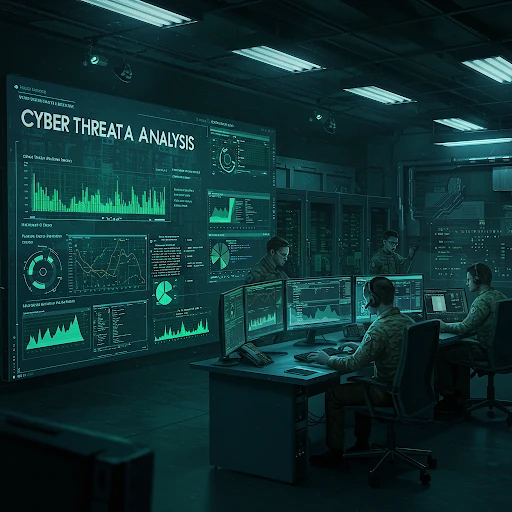
Cyber Threat Analysis (CTA) plays a crucial role in identifying potential cyber risks, assessing vulnerabilities, and predicting the likely impact of cyberattacks. It involves the use of advanced technologies like artificial intelligence (AI), machine learning (ML), and big data analytics to identify patterns, predict threats, and develop preventive measures. The increasing frequency and sophistication of cyberattacks in today's digital age have made cybersecurity frameworks essential for safeguarding information and ensuring secure digital communication in conflict zones.
Personal Data Security and Hacking Risks
As conflicts extend into the digital realm, personal data security has become a growing concern. The interconnectedness of modern life, driven by digital platforms, means that personal data is constantly being collected, shared, and stored by various entities. With the increase in cyberattacks, the risk of personal data theft, misuse, or compromise is at an all-time high.
Organizations handling sensitive information must prioritize building comprehensive cybersecurity frameworks to defend against data breaches, hacking, and unauthorized access. This includes robust encryption methods, firewalls, multi-factor authentication, and real-time monitoring systems to protect personal and organizational data from cyber threats. With the advent of GDPR and other data protection regulations, the need for secure data management practices has never been more critical.
Cybersecurity Frameworks: Safeguarding Against Digital Attacks
Effective cybersecurity frameworks are essential for protecting sensitive data and maintaining the integrity of digital platforms. These frameworks consist of multiple layers, including preventive measures, threat detection, incident response, and recovery strategies. By implementing these frameworks, organizations can significantly reduce the risk of cyberattacks.
The growing field of cybersecurity open access journals offers valuable research and resources for developing stronger cybersecurity systems. By publishing cutting-edge research and solutions in these journals, experts contribute to the development of more effective tools and strategies that address the evolving nature of digital threats. These journals provide a platform for sharing knowledge on best practices, methodologies, and case studies related to cybersecurity journal submission.
The Role of Peer-Reviewed Cybersecurity Journals in Conflict-Related Threats
Peer-reviewed cybersecurity journals are instrumental in advancing our understanding of cyber threats and developing innovative solutions to combat them. These journals serve as an essential resource for cybersecurity professionals, policymakers, and organizations, offering insights into the latest trends, research, and methodologies.
By publishing findings in cybersecurity open access journals, researchers and industry experts ensure that valuable information is accessible to a broader audience. This not only enhances the global response to cyber threats but also fosters collaboration and knowledge sharing among stakeholders in the field of cybersecurity. Submitting research to these journals helps shape the discourse on cybersecurity and contributes to the ongoing development of more robust cybersecurity frameworks.
Conclusion: Strengthening Cybersecurity in the Digital Age
The growing prevalence of cyberattacks and the increasing risks to personal and organizational data underscore the need for comprehensive cybersecurity strategies. Cyber Threat Analysis (CTA) plays a pivotal role in understanding and mitigating these threats, and cybersecurity frameworks are essential for safeguarding against digital attacks. By leveraging research from cybersecurity open access journals and implementing effective cybersecurity journal submission strategies, organizations can stay ahead of the curve in securing their digital assets.
As conflicts evolve in the digital realm, strengthening cybersecurity and protecting personal data have become vital to ensuring the stability and security of our digital future.
Tags:
#Cyber Threat Analysis (CTA) #Cybersecurity open access journals #Cybersecurity journal submission #Personal data security #Cybersecurity frameworks #Hacking prevention #Peer-reviewed cybersecurity journals #Digital security #Data breach protection #Cybersecurity research