In industrial logistics and high-value equipment handling, packaging is no longer a secondary concern. It is an engineering decision. Customized foam fabrication has become a critical factor in protecting equipment, reducing transit damage, and ensuring long-term operational reliability across electronics, defence, aerospace, medical devices, and precision instrumentation industries.
With over two decades of hands-on fabrication experience, Foamkart, based in Bangalore, has seen firsthand how poorly engineered foam packaging leads to hidden failures, while properly designed foam solutions significantly extend product life and reduce risk. This guest post explains why custom foam solutions outperform generic packaging, how material science drives protection performance, and what manufacturers should look for in a foam fabrication partner.
Why Generic Foam Packaging Is No Longer Enough
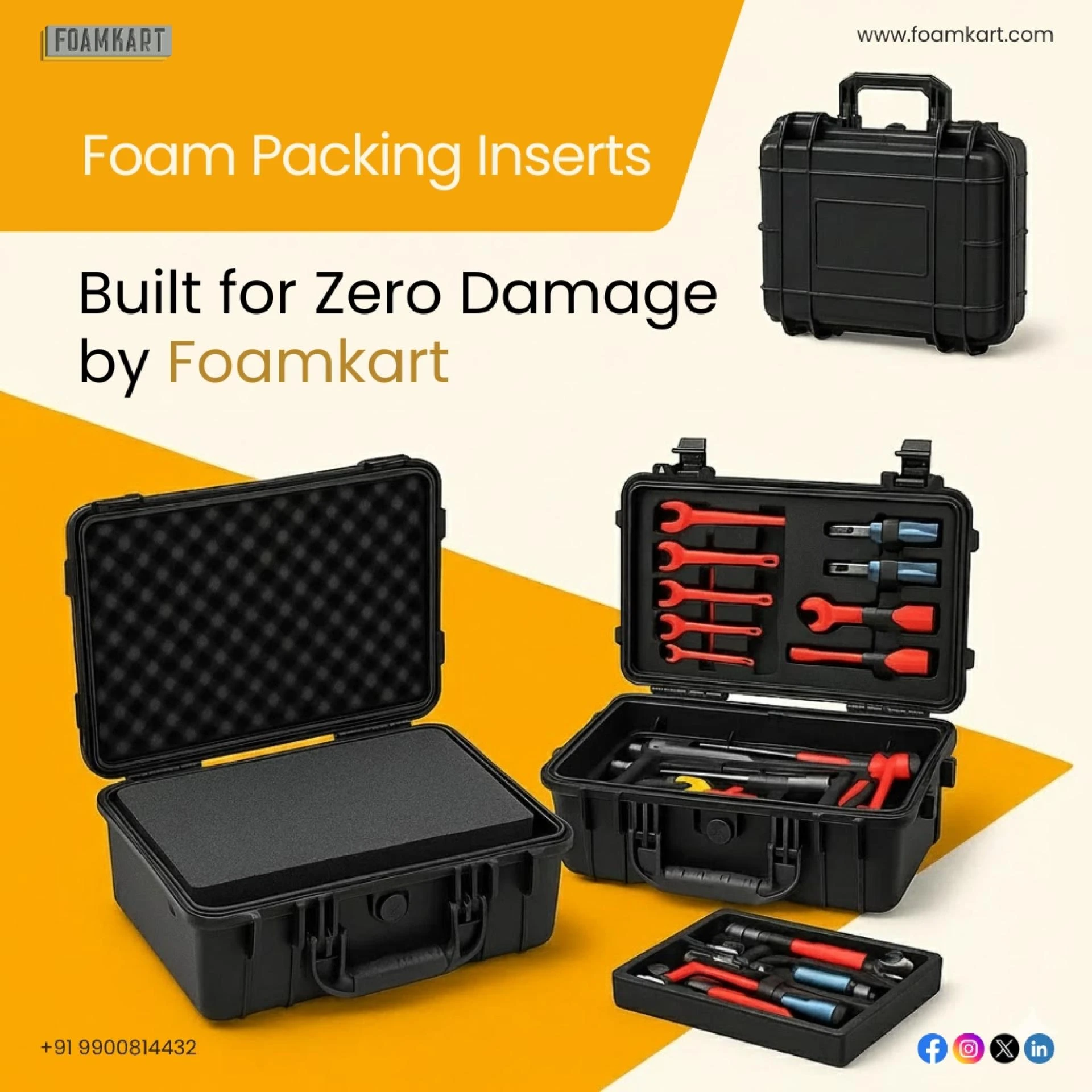
Off-the-shelf foam packaging is designed for average products, average handling, and low-risk applications. Industrial equipment does not fall into that category.
Common problems caused by generic foam include inadequate shock absorption during drops, compression set that reduces cushioning over time, loose fit allowing internal movement, and electrostatic discharge risks for electronics. These issues often result in internal micro-damage that is not immediately visible but leads to premature failure.
Customized foam fabrication eliminates these risks by engineering protection around the actual physical and environmental stresses a product experiences during transport, storage, and field use.
What Customized Foam Fabrication Really Means
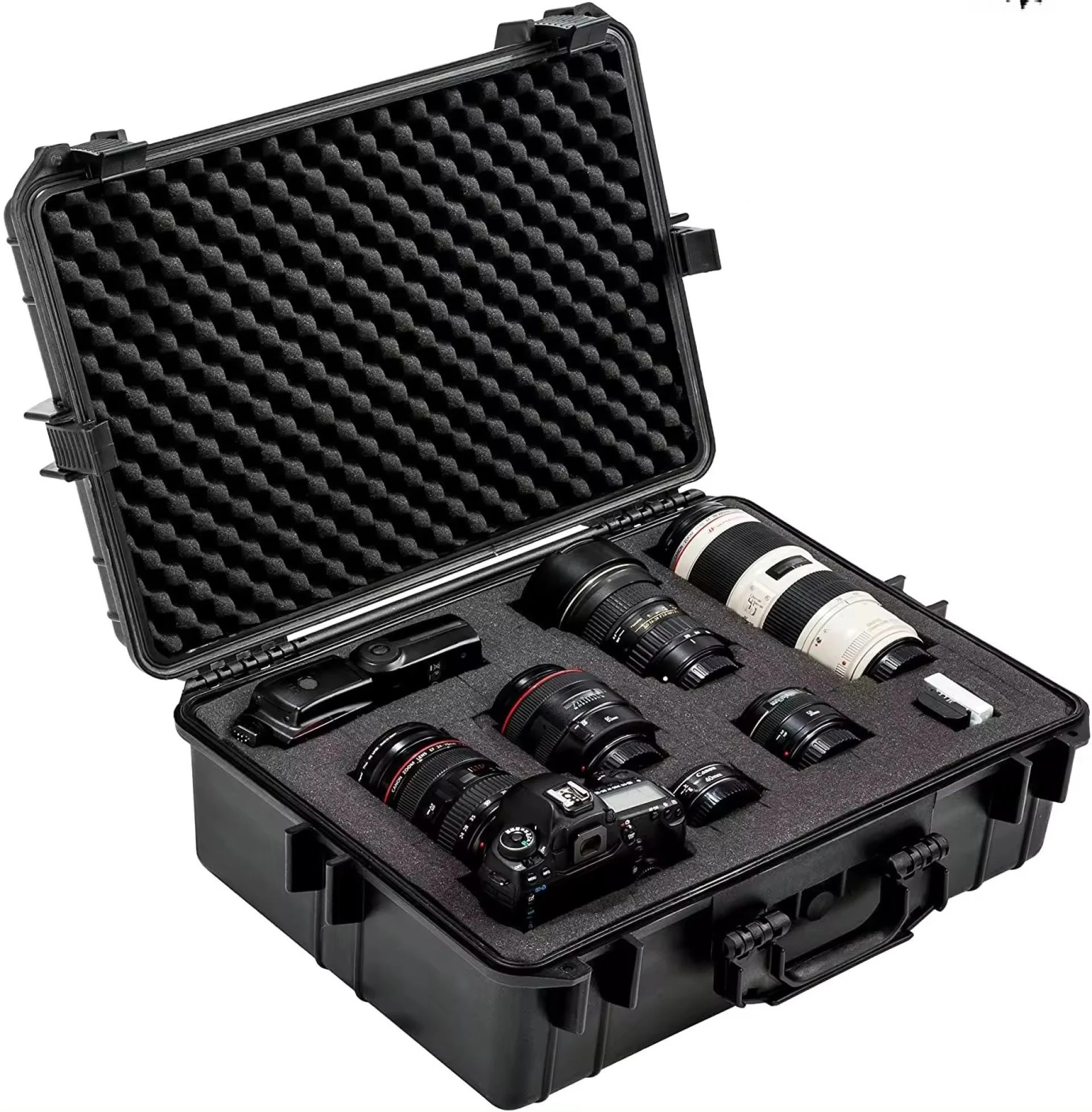
Customized foam fabrication is the process of designing and manufacturing foam components tailored to a product’s exact geometry, weight, fragility, and usage conditions. Unlike standard foam sheets, custom foam inserts are engineered with controlled density, defined compression characteristics, and precision-cut cavities.
The core objectives of custom foam fabrication are controlled energy absorption, vibration dampening, dimensional stability, long service life, and secure product retention. When executed correctly, foam becomes a functional protective system rather than a passive filler.
Foam Density and Performance Engineering
Foam density, measured in kilograms per cubic meter (kg/m³), plays a major role in determining load-bearing capacity and shock absorption.
Low-density foams in the 25–35 kg/m³ range are suitable for cosmetic or lightweight items. Medium-density foams between 45–65 kg/m³ are commonly used for electronics, instruments, and tools. High-density foams above 80 kg/m³ are essential for defence equipment, aviation components, and rugged industrial assemblies.
Selecting the wrong density leads to either bottoming out under load or excessive stiffness that transfers impact energy directly to the product. Correct density selection is a core engineering decision, not a packaging afterthought.
XLPE, EVA, and EPE Foam Explained
XLPE, EVA, and EPE foams are commonly used in industrial packaging, but they serve very different purposes.
XLPE (Cross-Linked Polyethylene) foam is a closed-cell material known for excellent shock absorption, low water absorption, and high chemical resistance. It maintains dimensional stability under repeated loading, making it ideal for defence, aerospace, and industrial applications.
EVA (Ethylene Vinyl Acetate) foam offers flexibility, smooth surface finish, and excellent CNC machinability. It is widely used for camera kits, medical equipment, and presentation-focused packaging where frequent access is required.
EPE (Expanded Polyethylene) foam is lightweight and economical but lacks precision and durability. It is best suited for void fill and low-risk transit protection rather than high-value equipment.
Understanding these material differences is essential for designing effective foam packaging solutions.
CNC Routing vs Die-Cutting in Foam Fabrication
The method used to cut foam has a direct impact on accuracy and performance.
CNC routing provides high dimensional accuracy, supports complex geometries, and allows easy design modifications without tooling costs. It is ideal for low to medium production volumes and high-precision requirements.
Die-cutting is cost-effective only for very high volumes but requires expensive tooling and offers limited flexibility. It is not suitable for tight tolerances or frequent design changes.
For defence, aerospace, and precision industrial equipment, CNC-routed foam consistently delivers superior results.
Foam Conversion Beyond Cutting
Foam conversion involves transforming raw foam sheets into complete protective systems. This includes multi-layer lamination for staged energy absorption, adhesive bonding for structural integrity, and integration with hard cases or enclosures.
Advanced foam conversion techniques allow designers to combine multiple foam densities within a single insert, improving protection without increasing weight or volume.
Industry Applications of Customized Foam Fabrication
In electronics and electrical equipment packaging, custom foam protects sensitive PCBs and connectors from shock, vibration, and electrostatic discharge. Anti-static and conductive foam materials are often used to prevent latent ESD damage.
Defence and military applications require ruggedized foam systems capable of surviving extreme handling, temperature variations, and repeated deployment. High-density XLPE foam is commonly used to protect communication equipment, optics, and weapon systems.
In drones and aviation, lightweight foam inserts are engineered to minimize mass while protecting delicate sensors, avionics, and batteries from vibration and impact.
Medical device packaging requires precision, cleanliness, and repeatability. EVA and XLPE foams are widely used for diagnostic equipment and surgical instruments due to their clean finish and precise fit.
The Importance of Experience in Foam Engineering
Foam fabrication is not trial and error. Material behavior changes under humidity, repeated compression, and long-distance transport. Experience plays a crucial role in anticipating these factors.
In manufacturing ecosystems like Bangalore, experienced foam fabricators understand local logistics challenges, industry compliance requirements, and real-world performance expectations. This knowledge significantly reduces failure rates and total cost of ownership.
Choosing the Right Foam Fabrication Partner
When selecting a customized foam fabrication partner, manufacturers should assess years of hands-on experience, material science expertise, CNC design capabilities, quality control processes, and industry-specific project experience.
A reliable foam partner functions as an engineering consultant, not just a supplier.
The Future of Customized Foam Fabrication
As industrial products become more complex and valuable, foam packaging will continue to evolve. Trends include multi-density lightweight systems, enhanced ESD-safe materials, sustainable foam alternatives, and deeper integration of digital design for rapid prototyping.
Companies that invest in engineered foam solutions today will gain long-term advantages in reliability, safety, and customer trust.
Contact us
Customized foam fabrication is not about filling empty space. It is about engineering controlled energy absorption, vibration isolation, and long-term protection. When material science, CNC precision, and real-world experience come together, foam becomes a performance-critical component of the product lifecycle.
For industries where failure is not an option, customized foam fabrication is no longer optional. It is essential.
Phone: +91 9900814432
Book Appointment: https://www.foamkart.com/
Learn More About Us: https://www.foamkart.com/about/
Browse All Products: https://foamkart.com/products/
Follow our journey: Facebook | Instagram | X (Twitter) | Pinterest
More Products
Custom foam products|Foam packaging solutions|Customized foam fabrication|Custom Hard Case