Introduction
Picture this: It's the championship game, fourth quarter, seconds ticking down. You're driving to the basket, focused entirely on the hoop, when an elbow catches you square in the mouth. The crack you hear isn't the backboard, it's your front tooth. In that split second, a $5,000 dental emergency unfolds because you decided the stock mouthguard from the sporting goods store was "good enough."
I've seen this scenario play out in emergency rooms and dental offices more times than I can count. As someone who played competitive sports through college, I get it. Mouthguards feel awkward, they make breathing harder, and they remind you that injury is possible. But here's the truth: dental trauma is the most common facial injury in sports, and a proper mouthguard reduces that risk by 60 times.
The difference between "good enough" and "complete protection" isn't marketing hype, it's engineering, materials science, and personalized fit working together.
The Anatomy of Impact: What You're Actually Protecting Against
Sports mouth injuries aren't just about knocked-out teeth. The forces involved in athletic collisions create a cascade of potential damage:
Direct impact is obvious—a ball, elbow, or ground meeting your teeth at speed. A single maxillary central incisor (your front tooth) requires 500-1,000 pounds of pressure to fracture. Sounds like a lot until you realize a hockey puck travels at 100+ mph and a boxer's punch generates 1,000+ pounds of force.
Concussive forces transfer through your jaw to your brain. This is where mouthguard design gets fascinating. A properly fitted guard creates a gap between your upper and lower teeth, allowing the mandible to move slightly and absorb shock before it reaches your skull. Studies suggest quality mouthguards may reduce concussion severity, though research continues.
Soft tissue lacerations happen when teeth cut into lips, cheeks, and tongue during impact. A custom guard covers sharp tooth edges, turning potential stitches into minor inconvenience. For athletes dealing with dental trauma or seeking preventive solutions, visit Parramatta Green Dental for professional dental treatment and custom protection options.
Stock vs. Boil-and-Bite vs. Custom: The Real Comparison
Walk into any sporting goods store and you'll face a wall of mouthguard options. Let's decode what you're actually buying:
Stock mouthguards are the cheapest ($5-15) and least effective. One size fits none. They're bulky, force you to clench to keep them in place, and offer minimal actual protection. Studies show they absorb only 10-20% of impact force. I wouldn't use one for a water balloon fight, let alone contact sports.
Boil-and-bite guards ($15-40) represent the middle ground. You soften them in hot water, then bite down to create a semi-custom fit. Better than stock? Absolutely. Good enough? Not if you value your teeth. The material thins unevenly during fitting, creating weak spots. They still require clenching to stay put, restricting breathing and speech.
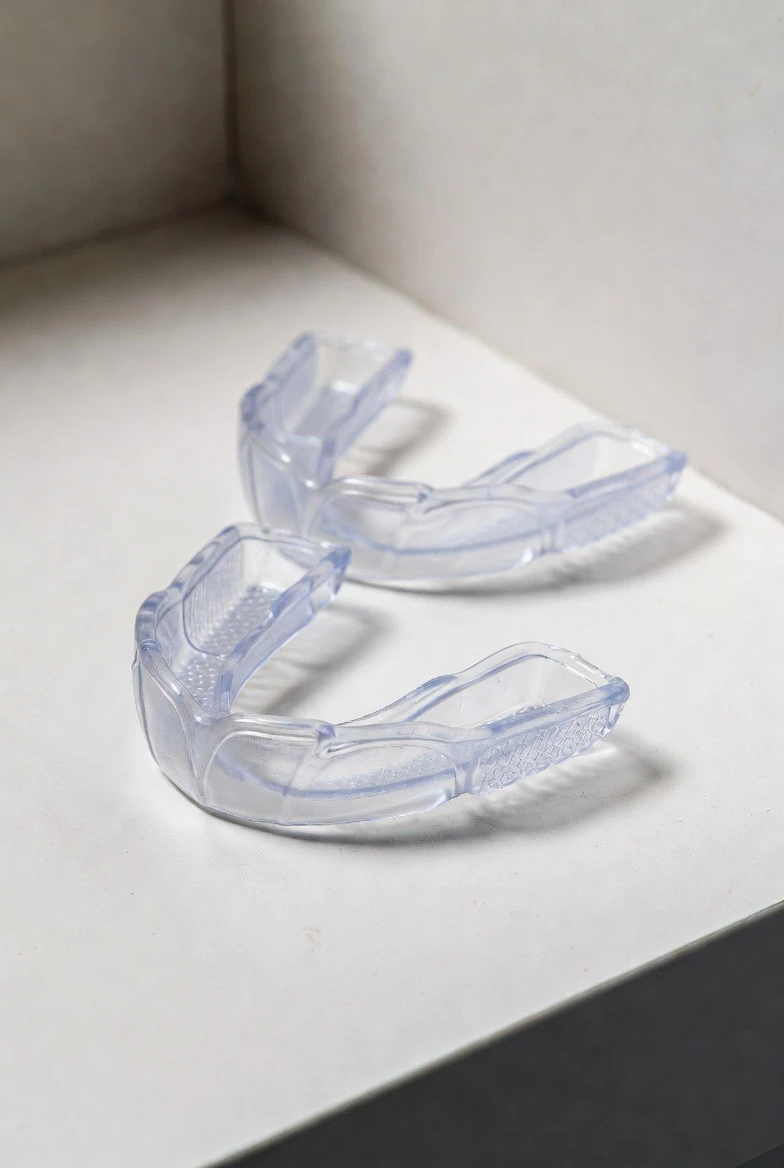
Custom mouthguards from your dentist ($300-600) are engineered protection. Impressions of your teeth create a model; pressure-formed thermoplastic creates a guard that fits like a glove. It stays put without clenching, allows normal breathing and speech, and distributes impact forces across your entire dental arch.
The Custom Fabrication Process: Precision Matters
Creating a custom mouthguard is part art, part science. Understanding this process explains the cost difference and protection advantage:
Impression taking uses dental putty or digital scanning to capture every ridge, groove, and contour of your teeth and gums. This isn't just about fit—it's about force distribution. A guard that rocks or lifts during impact fails precisely when you need it most.
Model creation from your impression provides the foundation. For digital workflows, CAD/CAM technology designs the guard with sport-specific thickness variations. Anterior (front) teeth typically need 3-4mm of material; posterior teeth might have 2mm for comfort.
Thermoforming heats medical-grade EVA (ethylene vinyl acetate) or polyurethane material and vacuum-seals it over your model. The result is uniform thickness without weak spots, unlike the thin areas created when you bite into a boil-and-bite guard.
Finishing includes polishing edges to prevent gum irritation and adding any sport-specific features—lip guards for football, helmet straps for hockey, or breathing channels for endurance athletes.
Sport-Specific Design: One Size Doesn't Fit All
Different sports create different injury risks. Custom mouthguards adapt accordingly:
Contact collision sports (football, hockey, rugby) need maximum protection. These guards are thicker (4-5mm in front), often include labial shields to protect lips, and may integrate with helmet straps. The priority is absorbing massive impact forces.
Contact non-collision sports (basketball, soccer, wrestling) balance protection with communication needs. Slightly thinner designs (3-4mm) allow clearer speech for calling plays while maintaining impact resistance against elbows and falls.
Non-contact high-risk sports (gymnastics, skateboarding, mountain biking) focus on fall protection. These guards are often lower profile, protecting against impact with hard surfaces rather than other athletes.
Combat sports require unique considerations. Boxing and MMA mouthguards must stay secure during grappling, protect against direct facial strikes, and allow adequate breathing during exertion. Double-layer designs with hard outer shells and soft inner liners are common.
Caring for Your Investment: Maintenance Matters
A $500 mouthguard becomes a $500 piece of garbage without proper care. Here's how to maximize lifespan and hygiene:
Daily cleaning is non-negotiable. Rinse immediately after use, then brush gently with toothpaste and a soft toothbrush. Bacteria multiply rapidly in the warm, moist environment of a used guard. Unclean guards cause bad breath, gum irritation, and oral infections.
Deep cleaning weekly using denture cleaner or mouthguard-specific solutions removes biofilm buildup. Never use hot water—this warps the material and destroys the custom fit you paid for.
Storage matters more than you'd think. The provided ventilated case isn't optional. Sealed containers breed mold; loose in gym bags collects debris. Keep it away from direct sunlight and heat sources (car dashboards are mouthguard killers).
Replacement timing depends on wear and growth. Adults should replace every 1-3 years or when you notice thinning, tears, or poor fit. Adolescents need replacement every 6-12 months as jaw growth changes tooth position. Bring your guard to dental checkups—your dentist can assess wear patterns you might miss.
The True Cost of Protection
Let's talk numbers without mincing words. A custom mouthguard costs $300-600. Sounds expensive until you compare it to the alternative:
Single knocked-out tooth: $3,000-5,000 for implant restoration, assuming no bone grafting needed. Multiple teeth? Multiply accordingly. And that's just the financial cost add time, pain, and permanent aesthetic compromise.
Root fracture: Often requires extraction, with replacement costs similar to knocked-out teeth. Sometimes the tooth can be saved with specialized procedures, but the prognosis is guarded.
Jaw fracture: $20,000-40,000 in surgical and hospital bills, plus months of recovery and potential permanent dysfunction.
Concussion treatment: Variable, but often exceeds $10,000 when you factor in imaging, specialist visits, and cognitive rehabilitation.
The math is simple: one prevented injury pays for decades of custom mouthguards.
Conclusion
Athletic competition demands total commitment physical preparation, mental focus, and quality equipment. Your mouthguard shouldn't be the weak link in that chain. Custom protection isn't luxury; it's the minimum standard for anyone serious about their sport and their smile.
The confidence of knowing you're protected allows you to play harder, compete fiercer, and focus entirely on performance rather than injury prevention. When that unexpected collision happens and in sports, it always does you'll be grateful for the investment you made in complete protection.