Printed apparel has become a standard tool for three of the most active group ordering segments in the United States: schools, community fundraisers, and organized sports teams. Each group has distinct needs, but all three rely on custom print tees for the same core reasons. Shirts create shared identity, support communication, and give members something tangible to wear that connects them to the group.
This article examines how each segment uses printed apparel, what drives their purchasing decisions, and what practical factors influence how they place and manage orders.
How Schools Use Custom-Printed Apparel
Schools order printed shirts for a wider range of purposes than most people expect. The student body, administrative staff, athletics department, and parent organizations may all place separate orders in a given year, each for a different occasion.
Spirit Wear and School Identity
Spirit wear is one of the most consistent apparel categories in the K-12 education space. Schools order shirts, hoodies, and other garments printed with school colors, mascots, and names for sale to students, parents, and alumni. These items are sold through school stores, at sporting events, or during spirit weeks.
Custom print tees ordered for spirit wear typically need to work across a wide age range, which means sizing runs from youth small through adult extra-large. The design itself also needs to be durable enough to survive repeated washing, since spirit wear often gets used for years after the initial purchase.
Field Trips and Class Events
School groups frequently order matching shirts for field trips, academic competitions, graduation events, and class trips. In these cases, the shirt serves a practical purpose. Matching shirts makes it easier for chaperones and organizers to identify students in crowded public spaces.
For these orders, the design is usually simple. A school name, a trip destination, and a year are common elements. Quantity requirements vary widely depending on the size of the class or group.
Faculty and Staff Shirts
Administrative teams, teaching staff, and support personnel also receive custom apparel in many school districts. Staff shirts help establish a clear, professional presence at events, open houses, and community activities where parents and guests are present. These orders are typically smaller in quantity than student orders but still require the same level of care in design preparation and garment selection.
Fundraiser T-Shirts: How Nonprofits and Community Groups Use Apparel
Fundraising is one of the most practical applications for custom t-shirt printing. Organizations that raise money through community outreach, charity runs, walks, galas, and awareness campaigns regularly use printed apparel as part of their strategy.
Shirts as a Revenue Source
Fundraiser t-shirts are sold directly to supporters as part of a campaign. The organization orders a set quantity at production cost and sells them at a higher price, with the difference going to the cause. This model works because printed shirts have a clear perceived value. Supporters are more likely to buy a shirt than to simply donate the equivalent amount, and the shirt continues to generate visibility after the event ends.
The success of this model depends on accurate quantity planning. Ordering too many shirts leaves unsold inventory that the organization paid for. Ordering too few means missed revenue and disappointed supporters who wanted to participate. Most experienced organizers collect pre-orders before committing to a production quantity, which reduces that risk considerably.
Event Shirts and Volunteer Identification
Many fundraising events use custom-printed tees to identify volunteers and staff on the day of the event. A charity 5K run, for example, might distribute shirts to all registered participants but use a distinct color or design for volunteers so they are easy to spot. This practical use of apparel is separate from the revenue-generating model and is usually included as part of the event operating budget.
Awareness Campaigns
Some organizations use printed shirts as part of awareness campaigns tied to specific causes. These shirts carry messaging about a health issue, a social cause, or a community concern. The shirt becomes a conversation piece and a visible signal that the wearer supports a particular position or organization. For these campaigns, the design and messaging on the shirt matter more than the garment itself.
Sports Teams and the Role of Custom Apparel
Sports teams at every level, from recreational youth leagues to adult amateur clubs, regularly order printed apparel. The needs differ from school spirit wear or fundraising shirts in important ways.
Practice and Training Gear
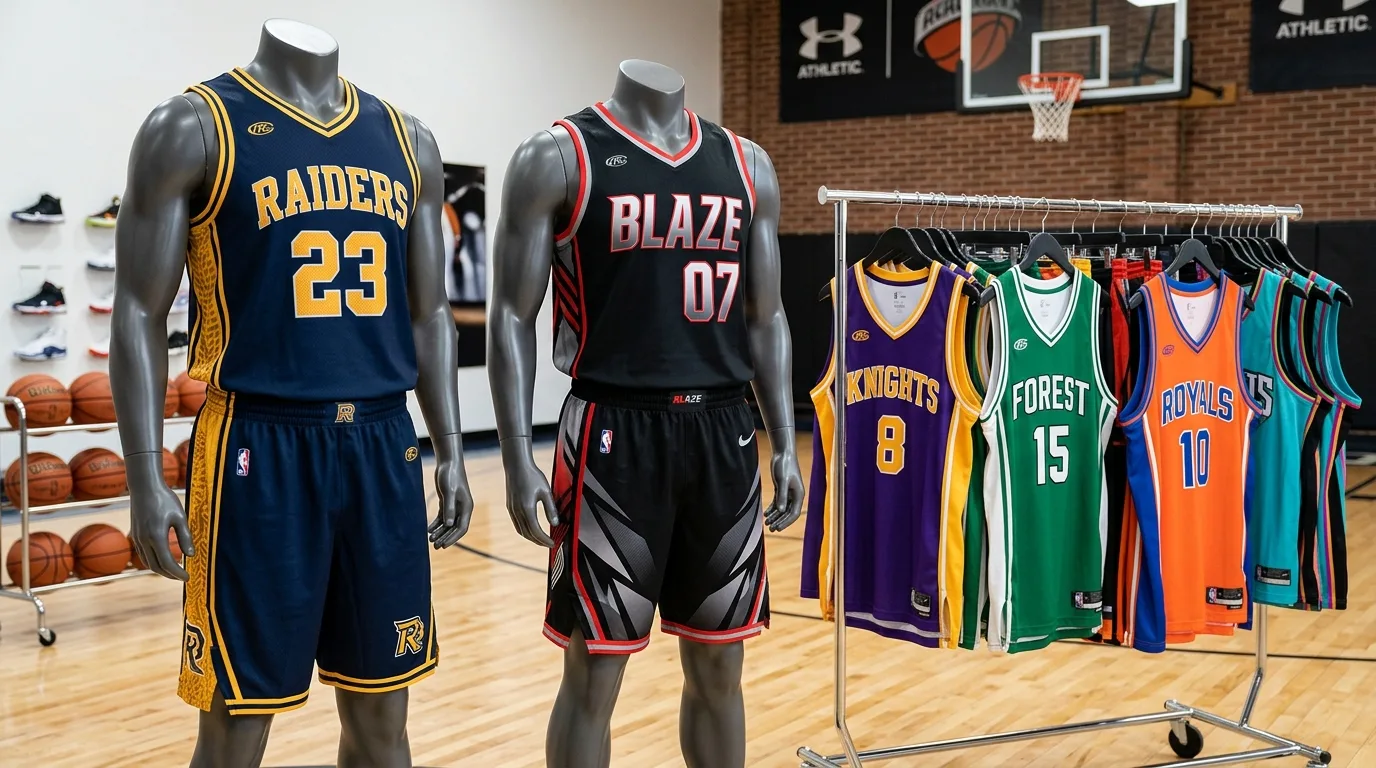
Teams order shirts for practice and training use, where durability and comfort during physical activity matter more than visual appeal. These shirts often use performance fabric blends that manage moisture and allow for a full range of movement. The printing method used for athletic shirts needs to hold up under repeated washing and exposure to sweat, which makes certain inks and application methods better suited than others.
Fan and Supporter Apparel
Beyond the players themselves, sports teams also order custom-printed tees for fans and supporters. A local soccer club may want shirts for parents and siblings who attend games. A recreational softball league might order fan shirts for a tournament. These orders prioritize comfort and design over performance fabrics, since they are worn by spectators rather than athletes.
Tournament and Event Shirts
Many organized sports events produce shirts specifically for the occasion. A regional basketball tournament, a charity golf event, or an end-of-season celebration dinner may all involve a custom print run. These shirts are often given to participants as keepsakes and may carry the event name, date, and location.
Practical Considerations Across All Three Groups
Schools, fundraising organizations, and sports teams all face similar decisions when ordering printed apparel, even if the specific context differs.
Garment Selection
The right shirt depends on who will wear it and how it will be used. Cotton garments are standard for general wear. Performance blends work better for athletic use. Heavier fabric weights hold up better over time but cost more per unit. Organizations should confirm their intended use before selecting a garment style to avoid receiving shirts that do not fit the occasion.
Design Preparation
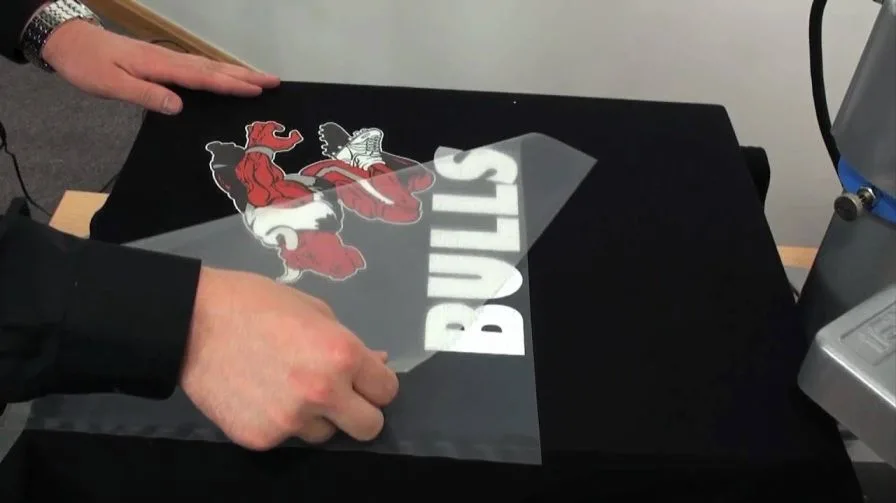
All three groups benefit from submitting clean, properly prepared artwork before production begins. Vector format files produce the cleanest results for screen printing, which is the most common method for group orders of custom print tees. Colors should be specified clearly using a standardized system, and the design should be reviewed for sizing and placement before the full run is approved.
Turnaround Time
Groups that order shirts for events with fixed dates need to account for production time, shipping, and any delays. Most experienced print providers recommend finalizing design and sizing well in advance of a deadline. Last-minute orders may be possible but often involve additional costs or compromised options.
Working With a Local Print Provider
Many schools, nonprofits, and sports teams choose to work with local print providers rather than national online vendors. The main advantage is direct communication. A local shop can walk a client through garment options, flag concerns with artwork before production starts, and offer a physical sample for approval before the full run is printed.
Kirkwood Trading Company, located in the historic Kirkwood neighborhood of St. Louis, works with community organizations, schools, and local groups on custom apparel orders. The company's presence in the St. Louis area makes it a practical option for groups that want to manage their order locally, review samples in person, and work with a provider that understands the specific needs of community-based apparel projects.
Conclusion
Custom print tees fill a specific and practical role for schools, fundraising organizations, and sports teams. Each group uses printed apparel differently, but the underlying needs are consistent: reliable production, clean design, appropriate garment selection, and timely delivery. Organizations that plan their orders carefully, prepare artwork correctly, and work with a knowledgeable provider tend to receive finished shirts that meet their expectations and serve their intended purpose well beyond the event or season for which they were ordered.