
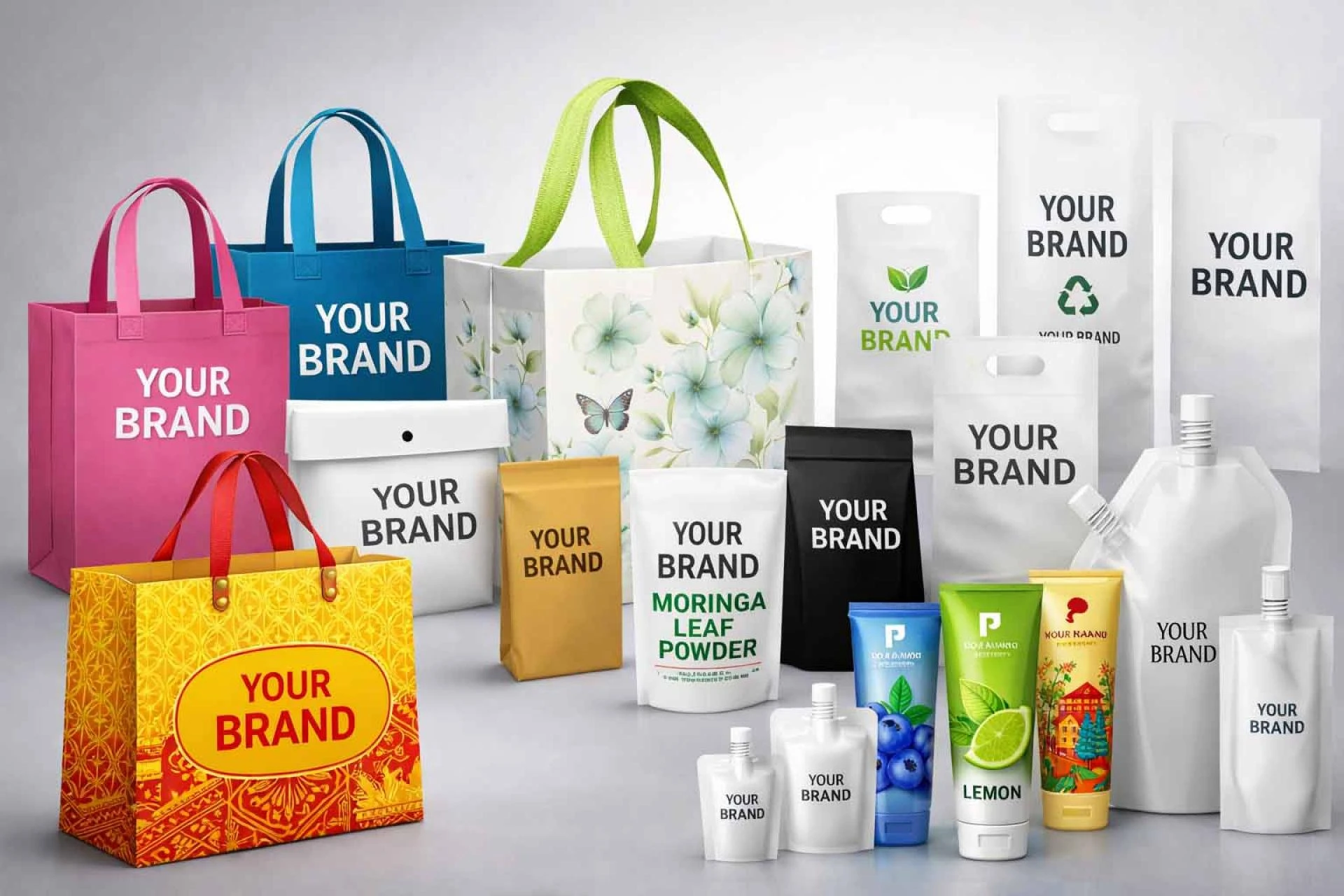
Custom bags are more than just carriers. They are a reflection of your brand. The right packaging can influence customer choices, increase repeat purchases, and improve your overall brand recognition. In my experience, businesses that invest in custom-designed packaging see better marketing results and stronger consumer loyalty.
Understanding Customer Preferences and Demands
To create custom bags that impress, start by studying customer preferences and demands. Retailers and supermarkets often notice that consumers prefer eco-friendly, durable, and lightweight options. Non-woven, paper, and biodegradable materials are increasingly popular.
- Functionality: Shoppers want bags they can reuse for groceries, food, or cosmetics.
- Aesthetic appeal: Customizable color, logo, and size can make bags more visually appealing.
- Convenience: Features like zippered, padded, or inflatable air pillows enhance storage and protection of items.
Adapting to consumer preferences helps businesses meet demands efficiently.
Sustainable Packaging Practices
Sustainable practices are now essential. Many companies aim to reduce waste and minimize single-use plastics. Eco-conscious shoppers often choose brands that follow recycling initiatives, circular economy principles, and compostable or biodegradable alternatives.
- Material selection: Use polyethylene film, tissue, soy-based inks, or water-based inks.
- Reusable options: Encourage reusable, durable, padded, and zippered bags.
- Waste reduction: Implement curbside recycling and compostable packaging.
These steps demonstrate commitment to the planet and help build positive reputation among environmentally conscious shoppers.
Compliance With Regulations
Businesses must comply with regulations set by officials regarding single-use plastics and environmentally friendly materials. Failure to adhere can result in fines or loss of trustworthiness.
- Certified suppliers: Work with partners who are certified for safety, quality, and environmental standards.
- Regulatory adherence: Ensure all custom bags meet legal requirements for reuse, recyclability, and material safety.
- Employee training: Train employees to understand compliance and sustainable practices.
This assurance strengthens your brand ethos and long-term business relations.
Material Options and Their Benefits
Choosing the right material is crucial. Each option has benefits, cost, and impact on consumer experience.
- Non-woven: Lightweight, durable, reusable, moderately priced. Ideal for groceries and boutique gifts.
- Paper: Recyclable, customizable, supports branding. Works well for retail and promotional events.
- Polyethylene film: Flexible, water-resistant, good for shipping perishable items.
- Biodegradable polymers: Eco-friendly, plastic-free, compostable, aligns with sustainability goals.
Matching material to customer needs ensures functional and aesthetic value.
Customization and Branding Opportunities
Custom bags are powerful tools for branding. They carry your logo, color, and personalized design to create a unique product identity.
- Promotional campaigns: Use bags as giveaways or corporate gifts.
- Market appeal: Beautiful, custom-designed bags enhance product experience and brand visibility.
- Tailored solutions: Work with suppliers for custom sizes, types of bags, and packaging runs.
Investing in customized packaging can increase recognition, loyalty, and repeat purchases.
Practical Functionality and Convenience
Beyond aesthetics, custom bags must be functional. The type of bag should align with usage and consumer needs.
- Reusable and durable: Carry groceries, food, or cosmetics without tearing.
- Storage and shipping: Options like padded mailers, bubble cushions, or inflatable air pillows protect items.
- Flexibility: Zippered, lightweight, and custom sizes allow multiple uses.
Ensuring practicality improves customer satisfaction and encourages repeated use.
Cost, Savings, and Long-Term Benefits
Custom bags are an investment. While upfront cost may be higher than traditional single-use options, the long-term benefits outweigh spending.
- Durability and reusability save money over time.
- Sustainable materials reduce waste management costs.
- Branding impact improves customer retention, which drives higher revenue.
Moderately priced eco-friendly bags offer measurable returns on investment.
Strategic Business and Marketing Advantages
Using custom bags strategically enhances your business solutions. They are more than packaging; they are a marketing tool.
- Promotional events: Customized pouches and bags attract attention.
- Corporate gifts: Branded bags strengthen client relations.
- Retailers and e-commerce: Flexible production and quick turnaround improve customer service.
Well-designed custom bags combine function, sustainability, and branding, creating long-term market appeal.
Supply Chain and Production Insights
Partnering with reliable manufacturers ensures efficient service and consistent quality. Key factors include:
- Tailored services: Custom production and specialized packaging technology.
- Production timelines: Flexible runs to fulfill orders quickly.
- Quality assurance: Certified suppliers for material safety, durability, and compliance.
Smooth production supports business growth and customer satisfaction.